

British WW1 1897 Pattern Infantry Officer’s Sword of Captain Bertram de Weltden Weldon MC, MID, Leicestershire Regiment and Lancashire Fusiliers
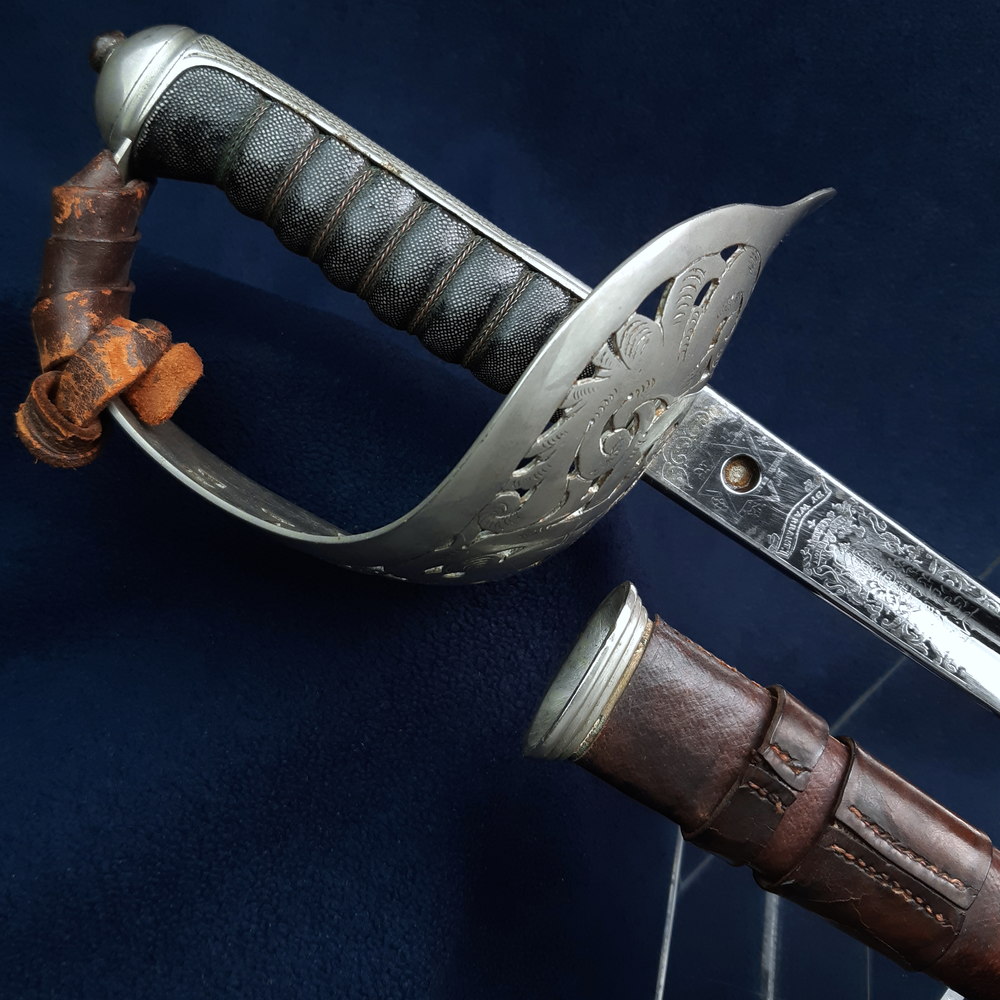
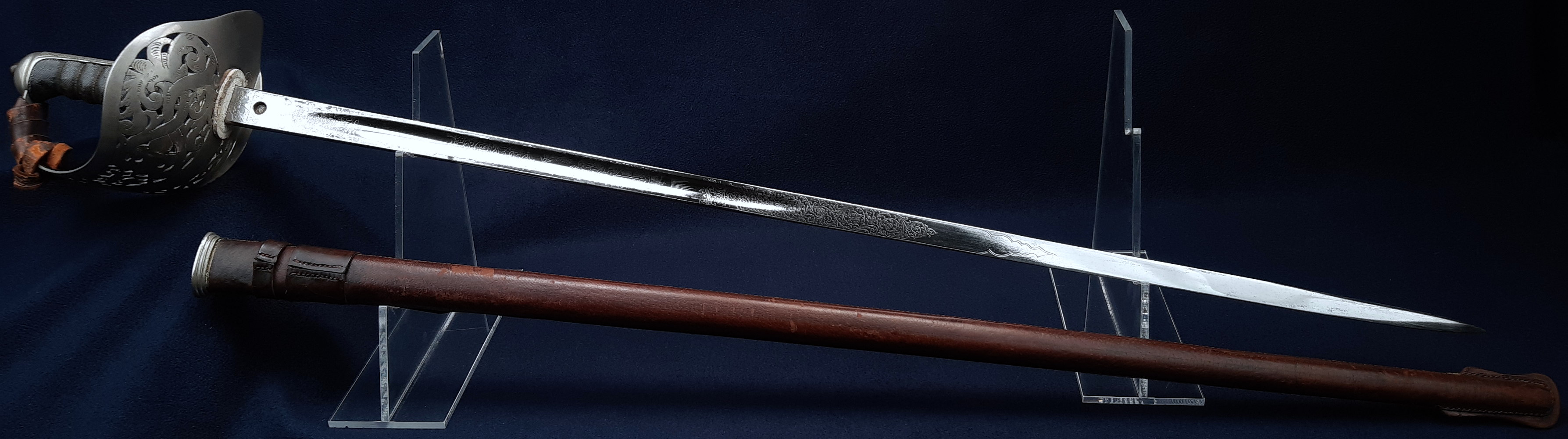
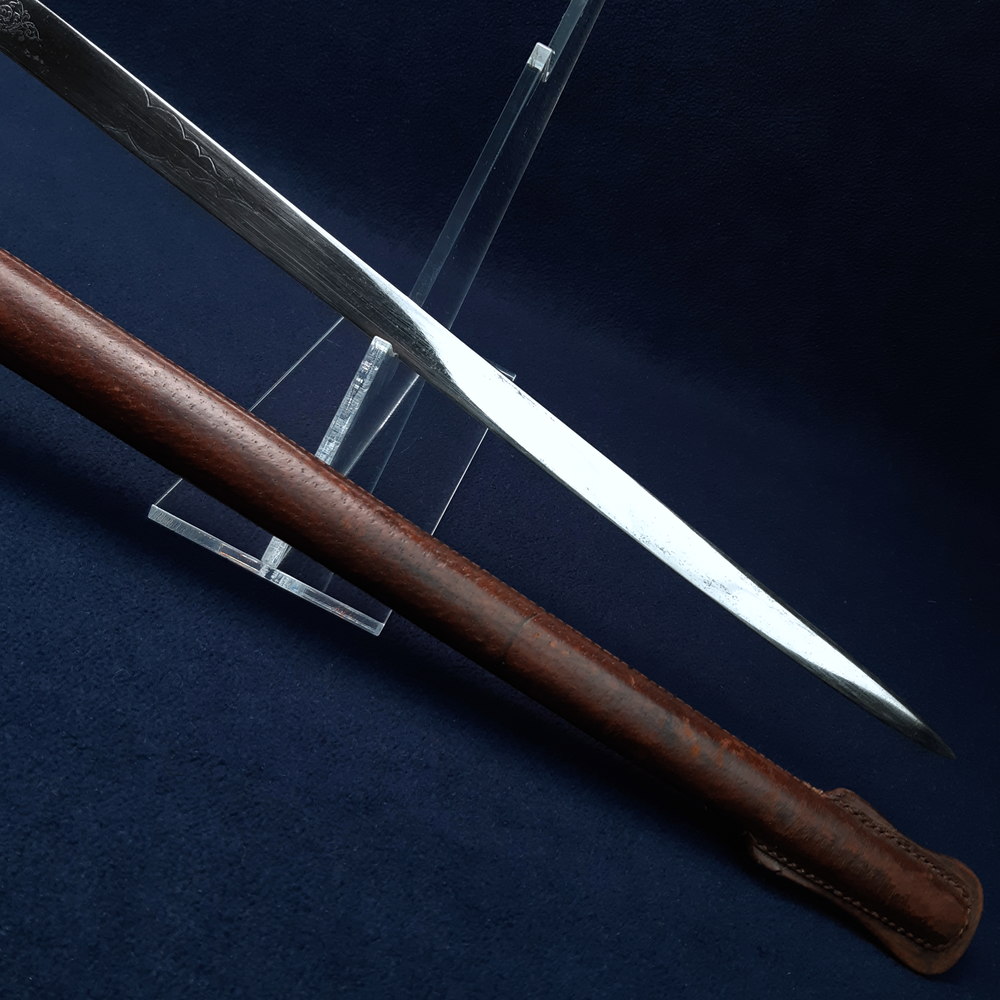
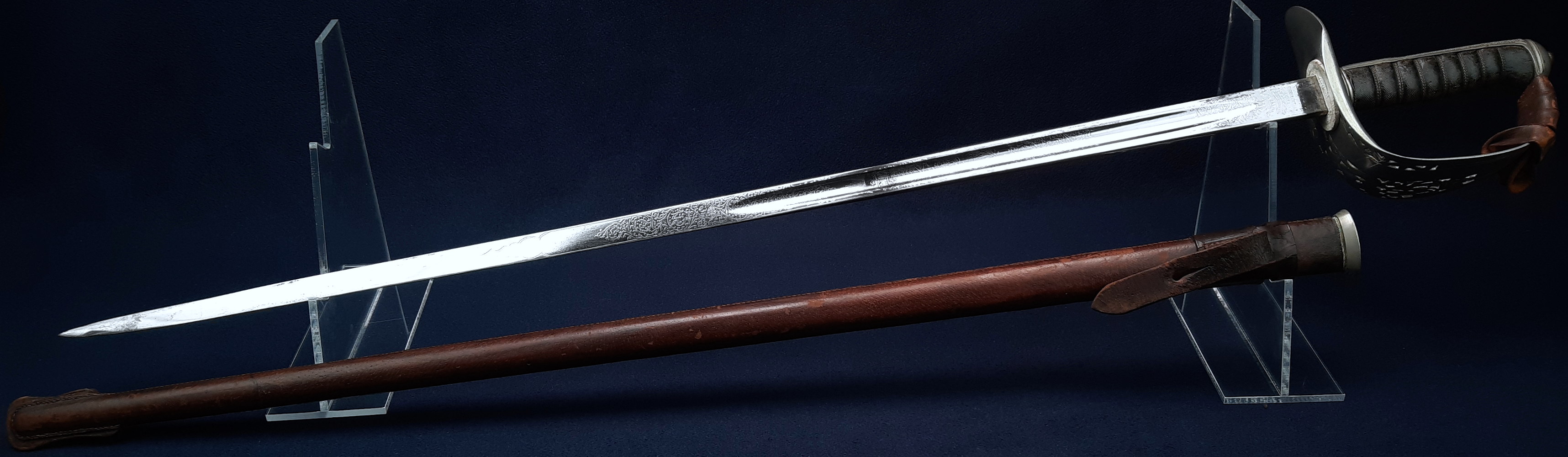
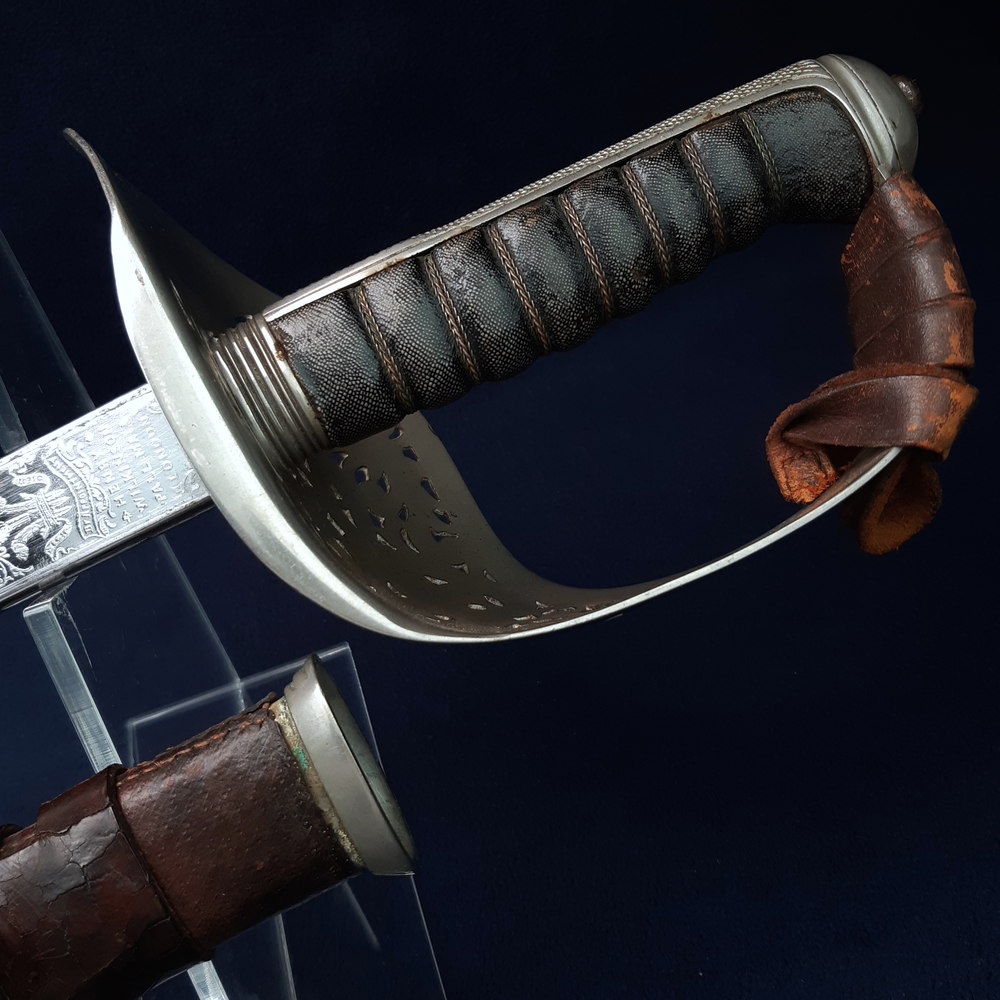
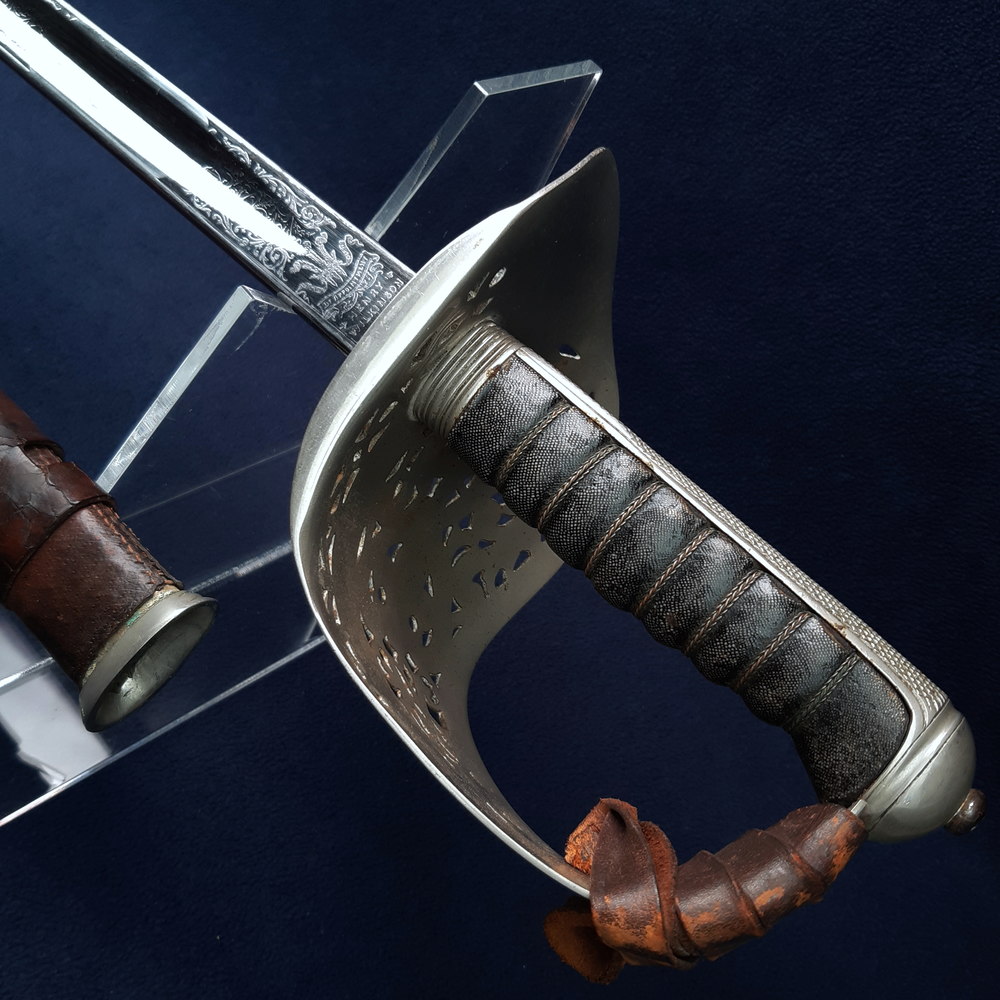
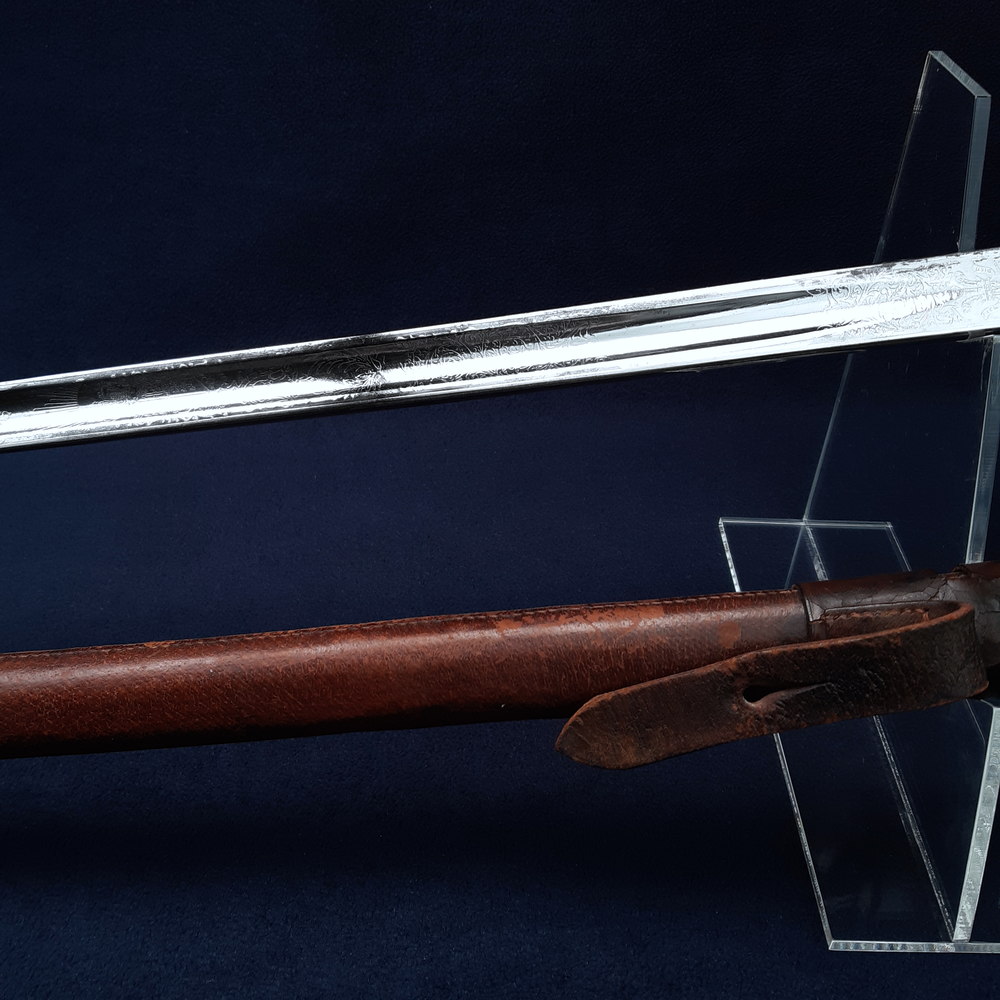
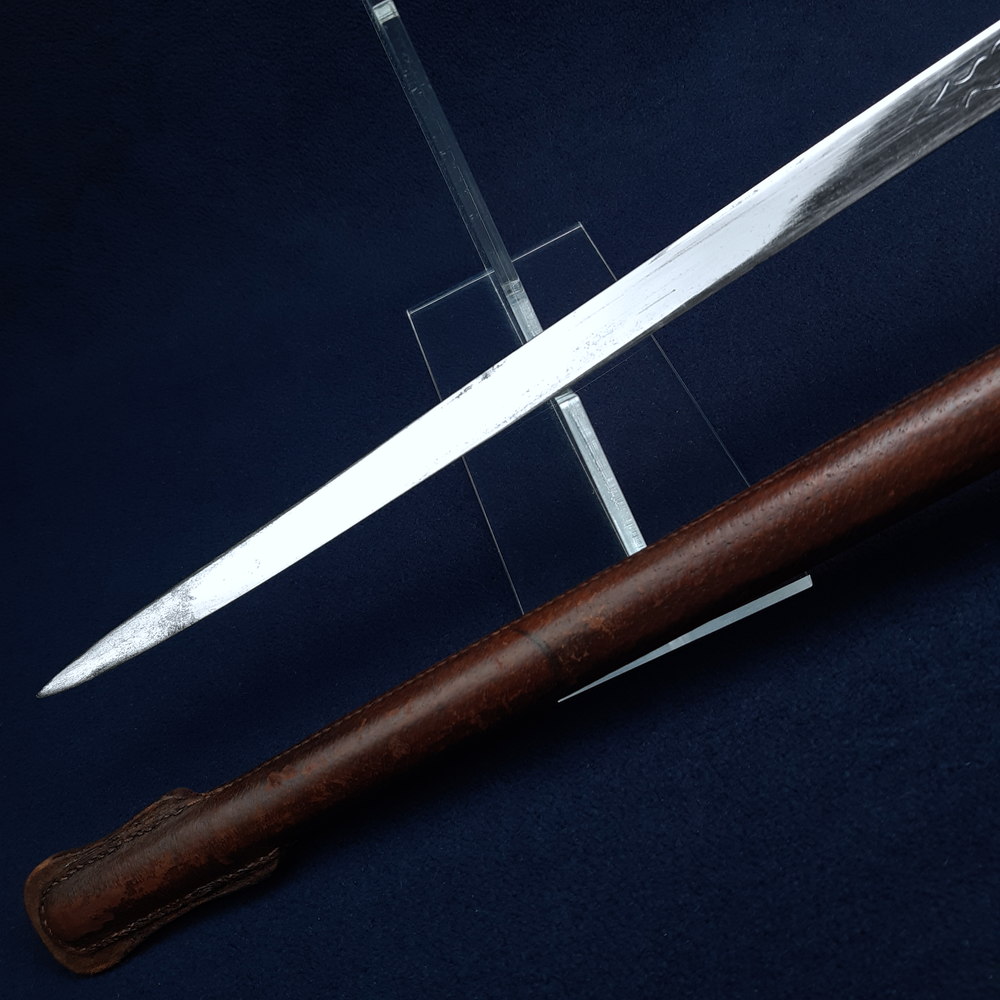
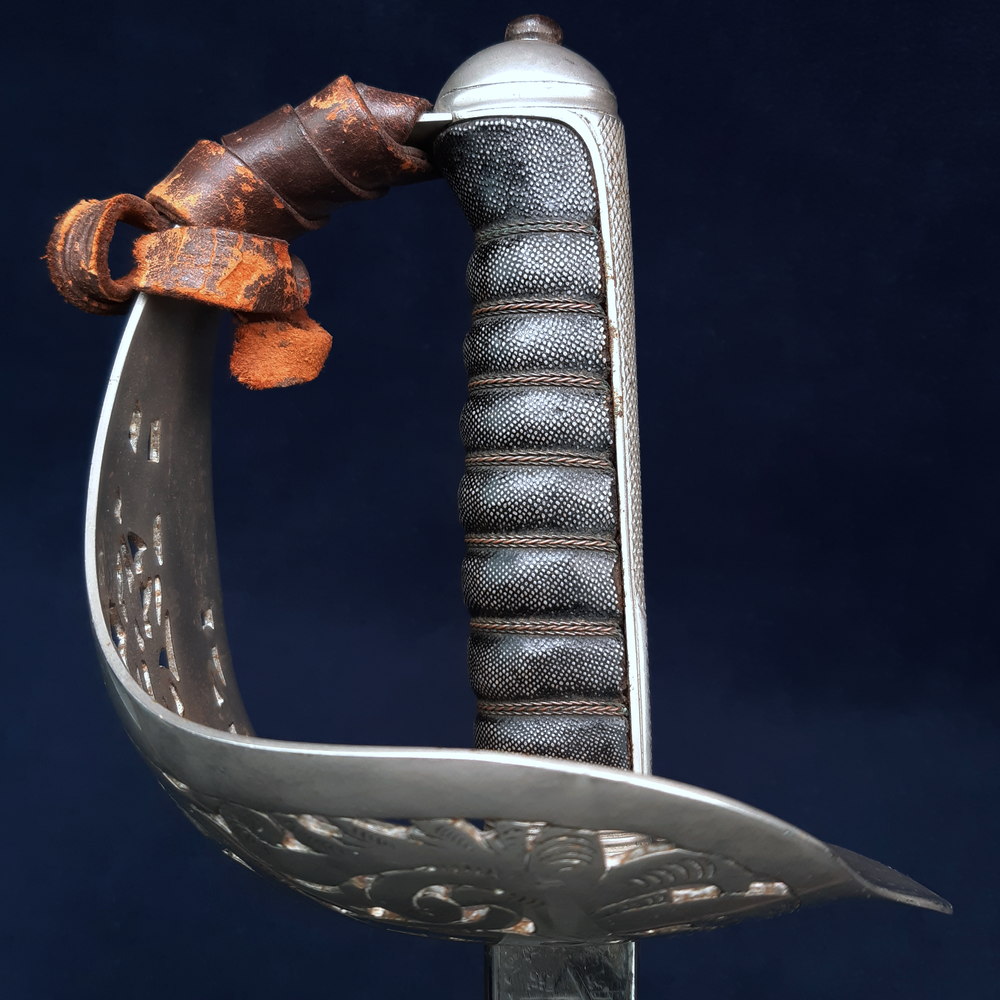
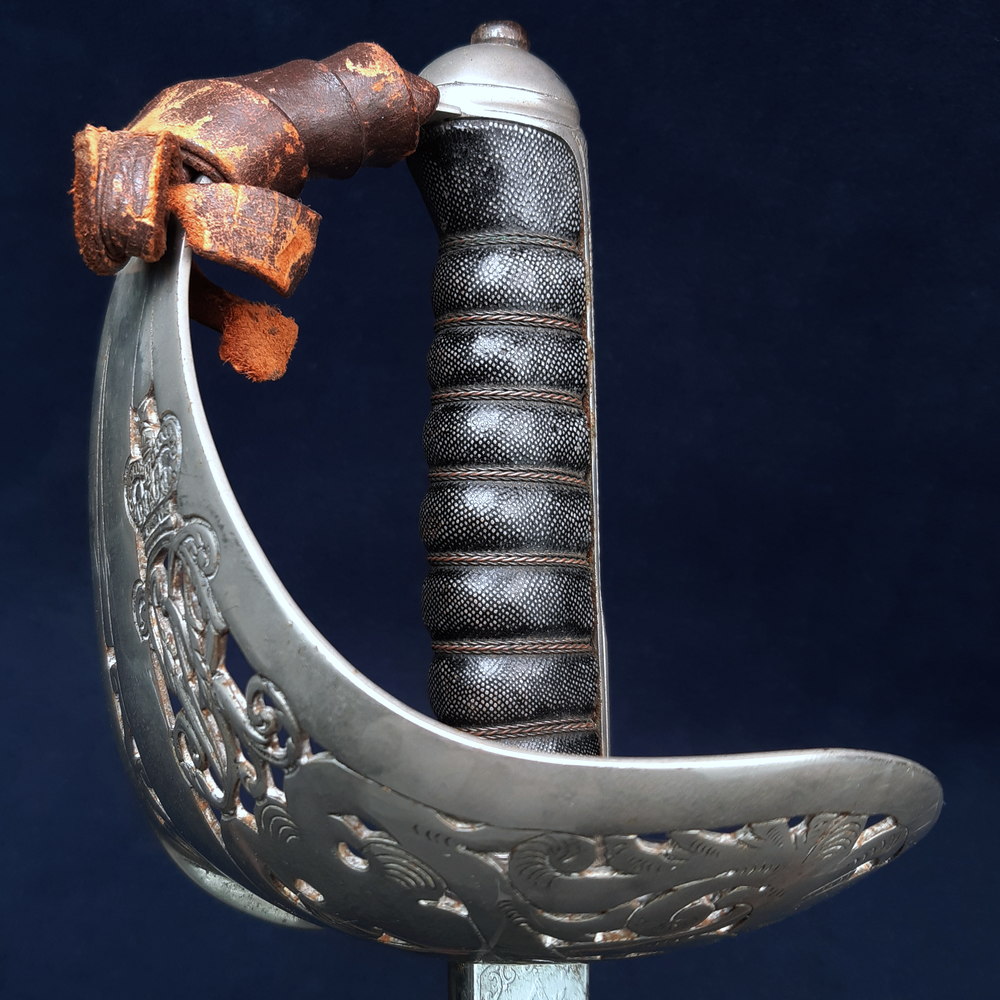
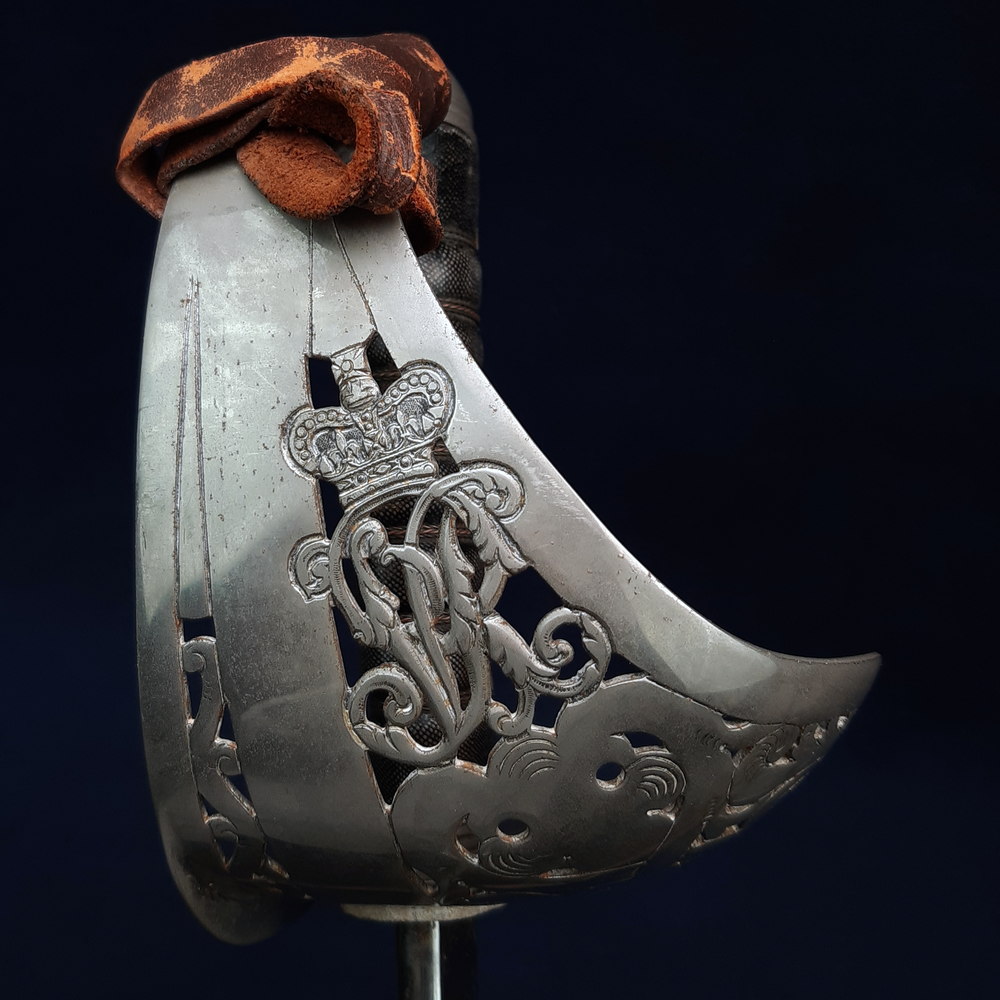
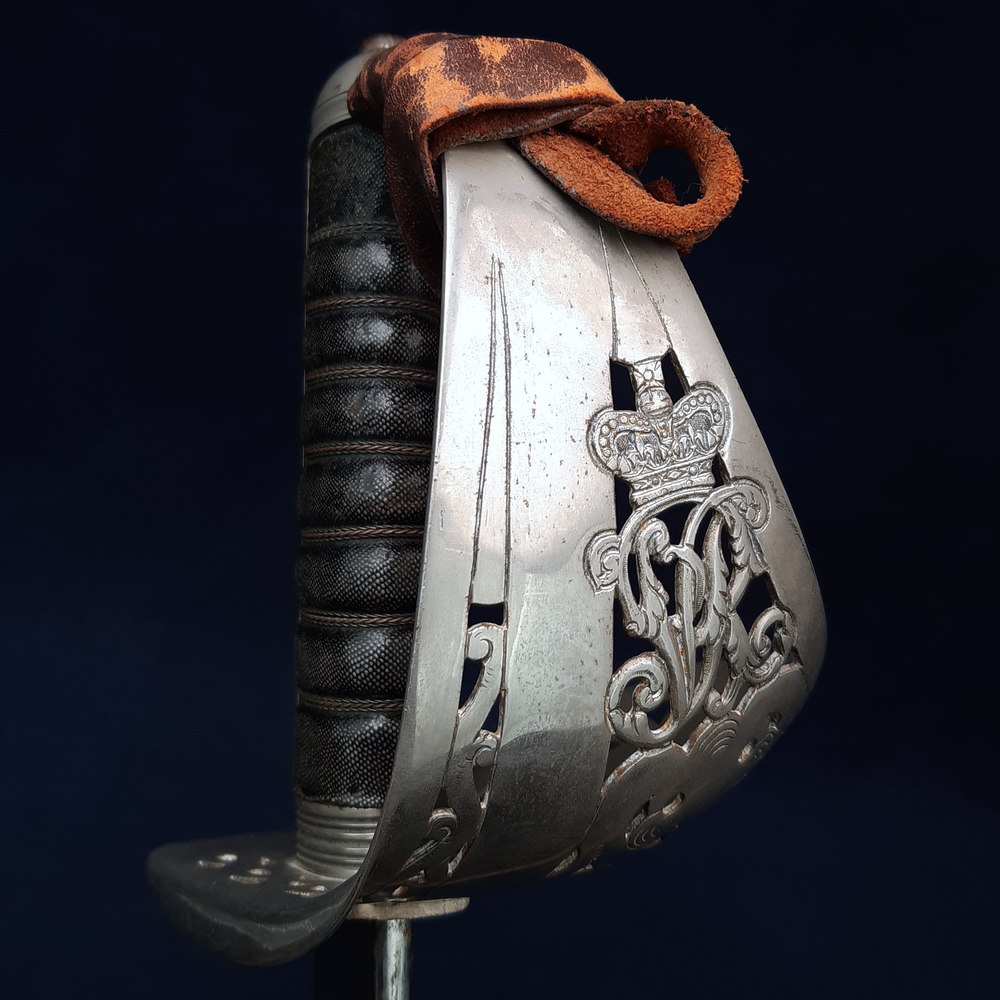
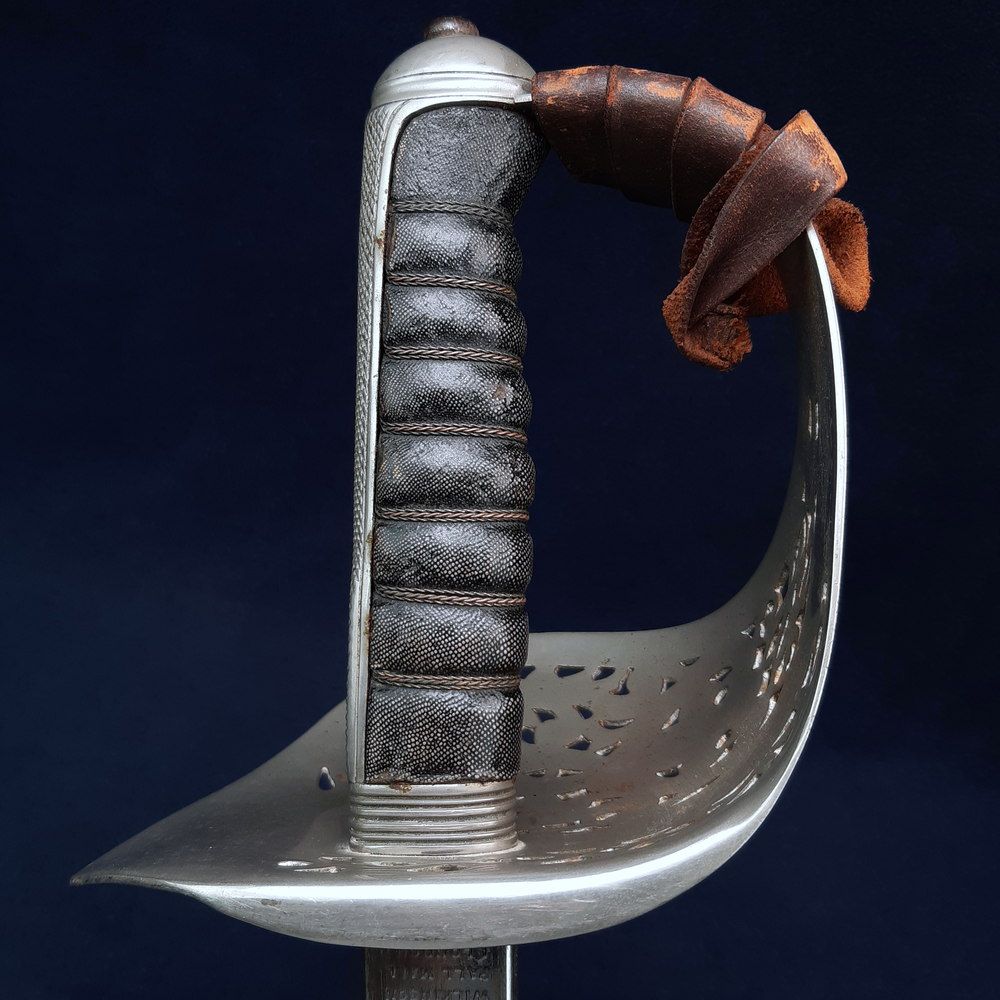
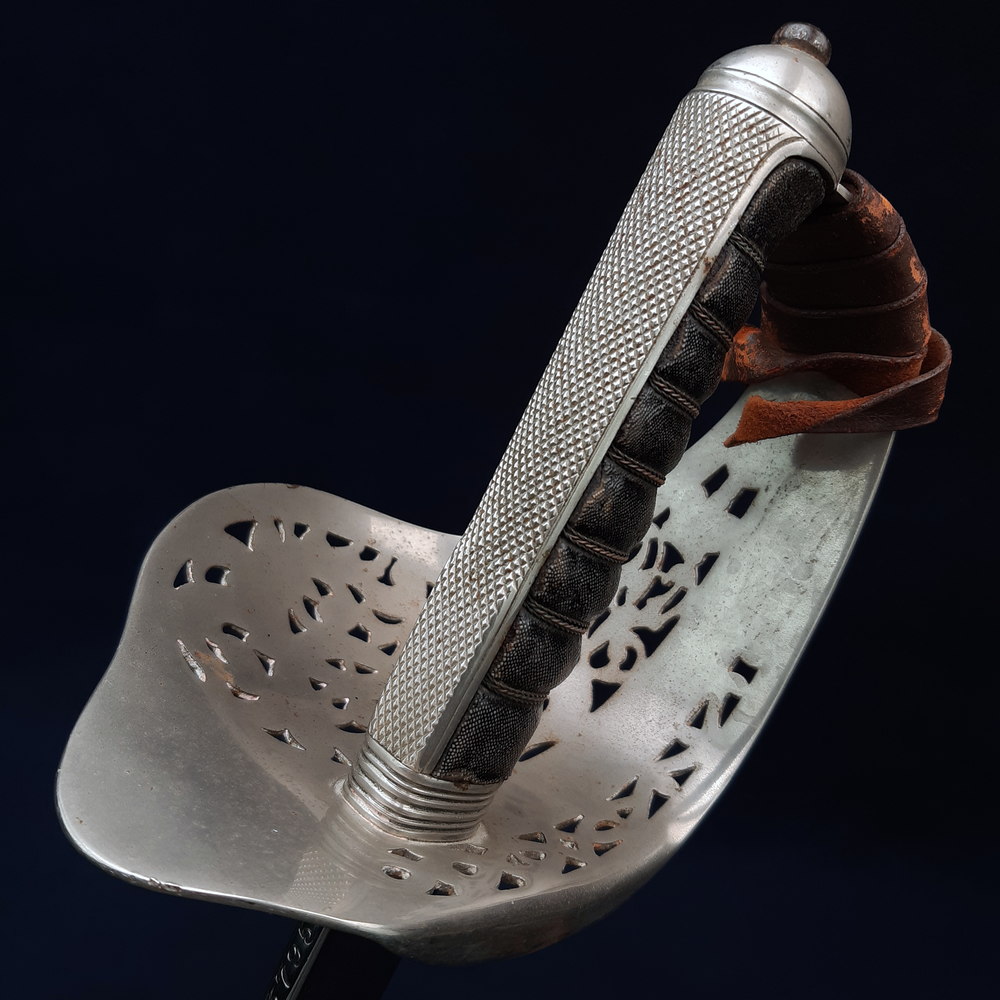
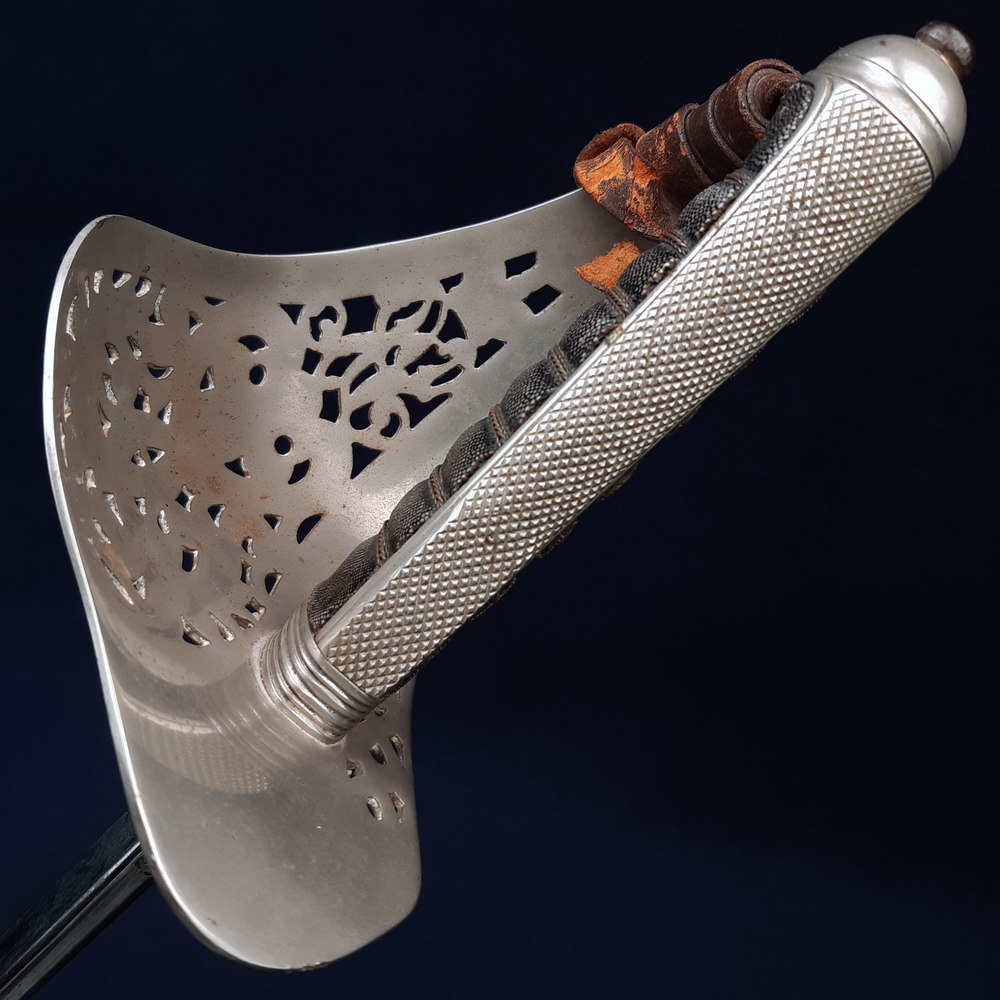
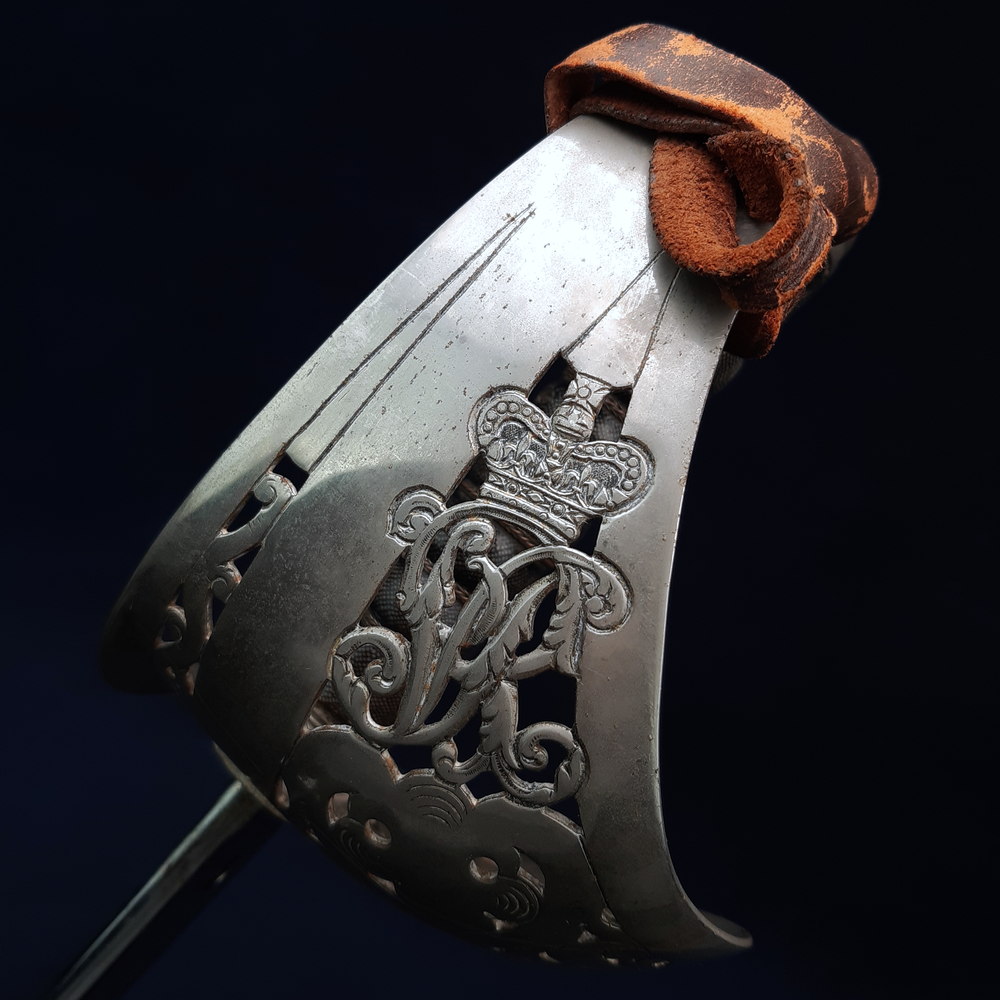
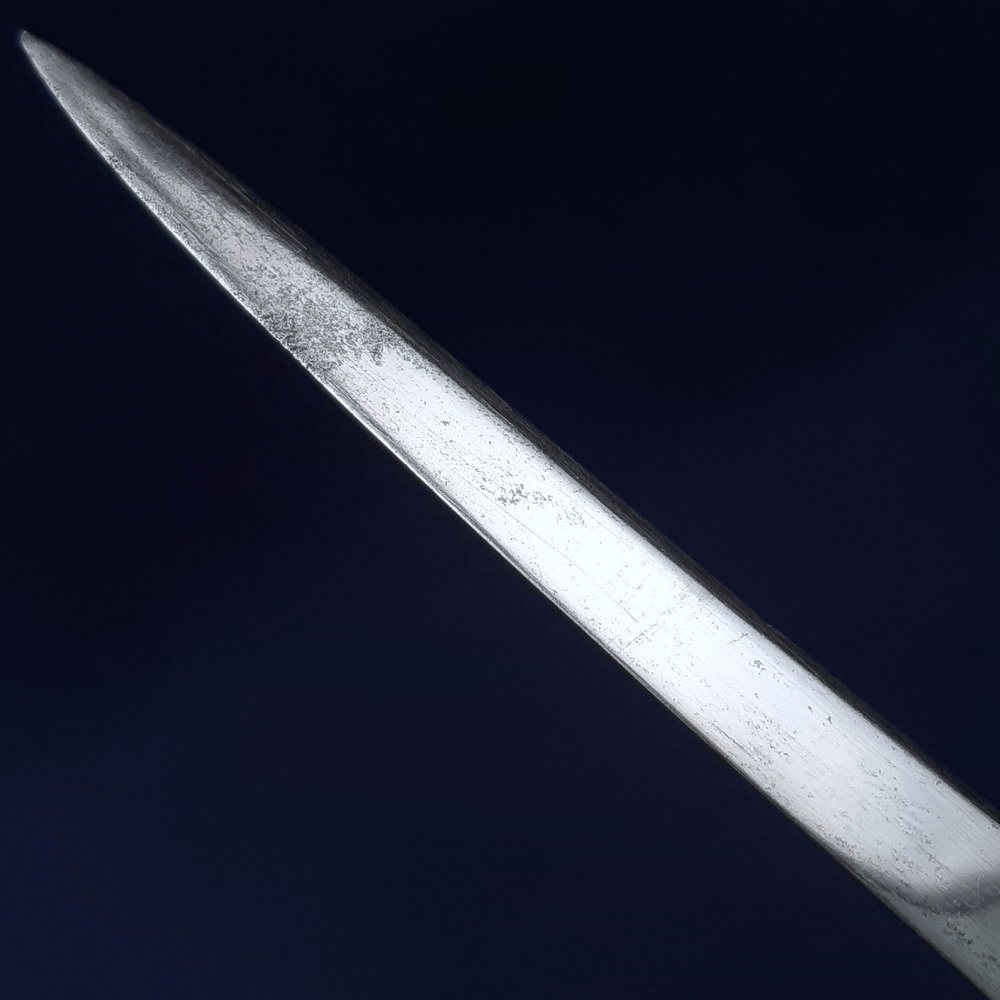
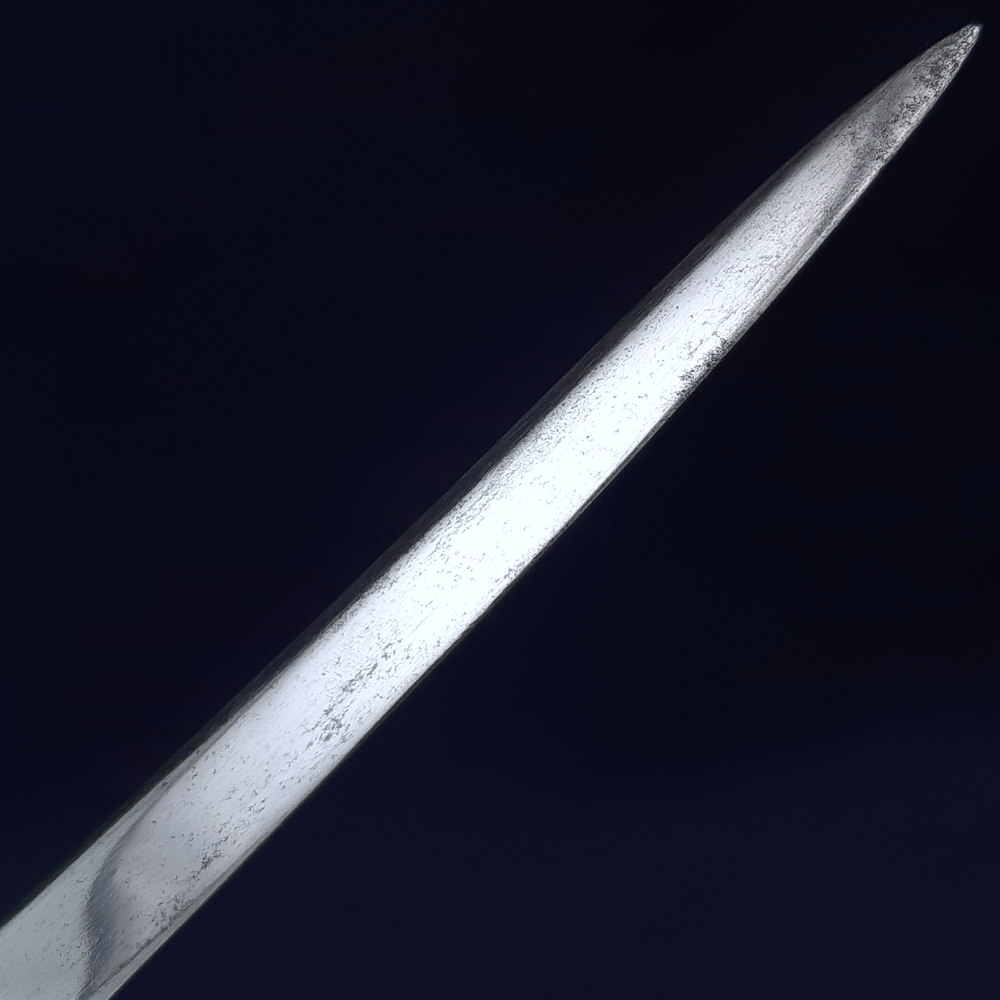
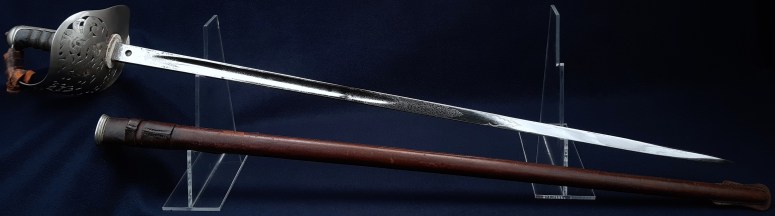
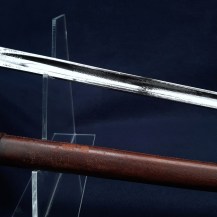
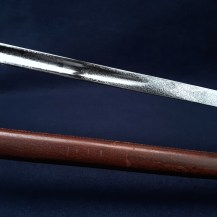
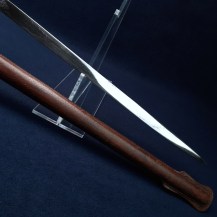
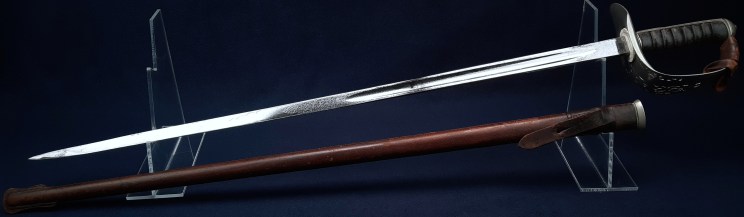
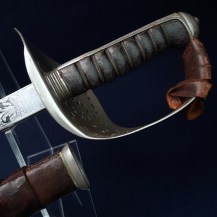
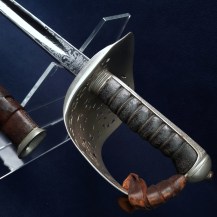
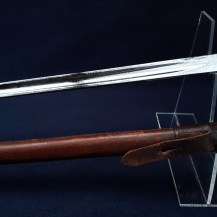
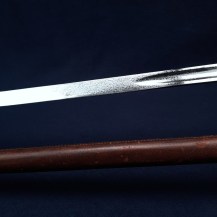
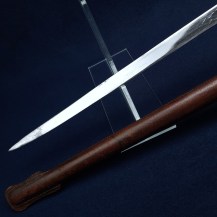
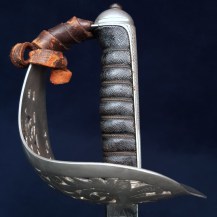
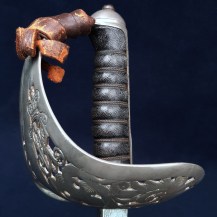
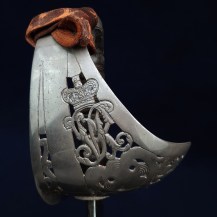
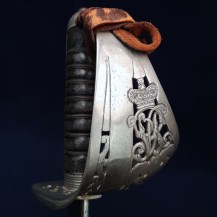
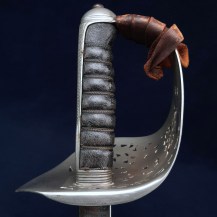
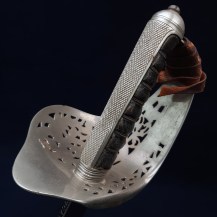
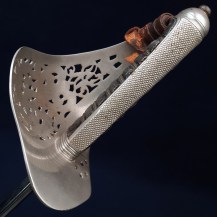
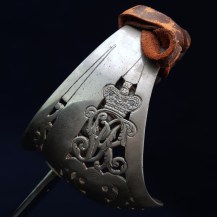
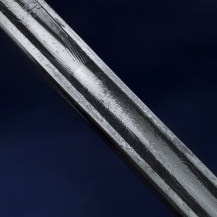
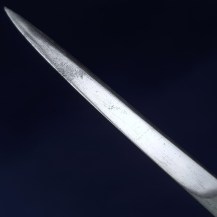
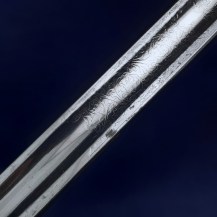
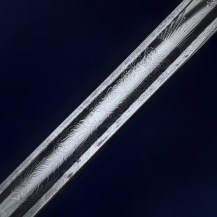
Straight single-fullered spear-pointed blade. Steel hilt with pierced decoration including the crown and cypher of Queen Victoria, and sword knot slit. Steel ferrule, fully chequered steel backstrap, integral oval pommel with tang button. Wire-bound black shagreen grip, white leather washer, brown leather field sword knot with acorn. Brown leather field scabbard with frog strap and nonferrous nickel-plated throat piece, probably brass. Blade 32½ inches in length, 1.05 inches wide at the shoulder, the sword 38¾ inches overall.
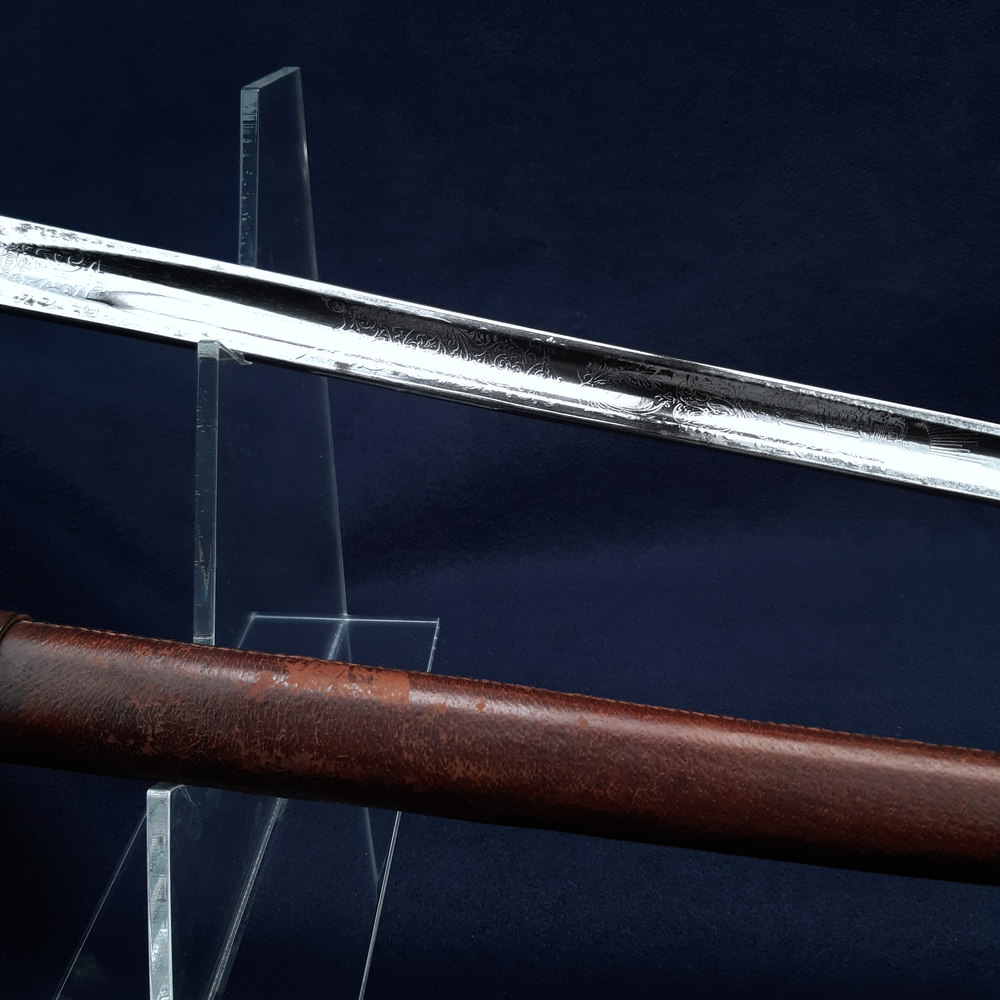
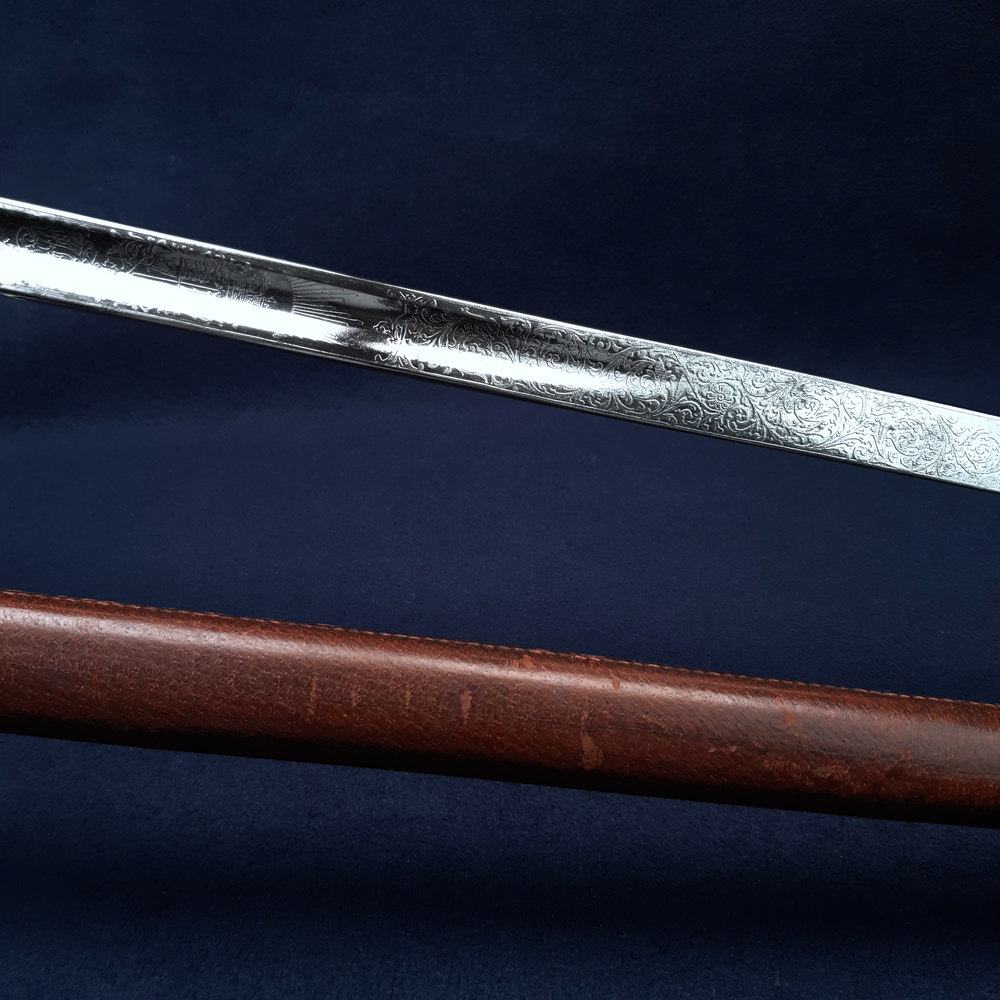
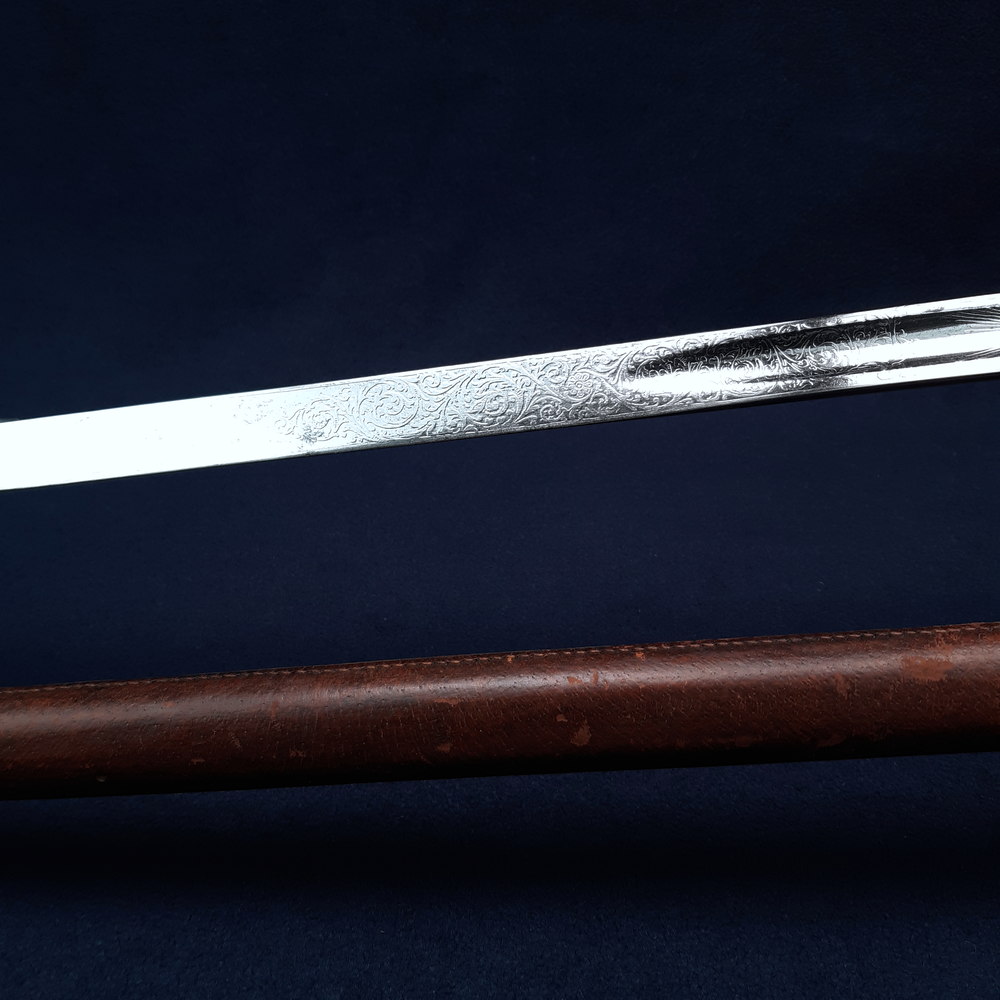
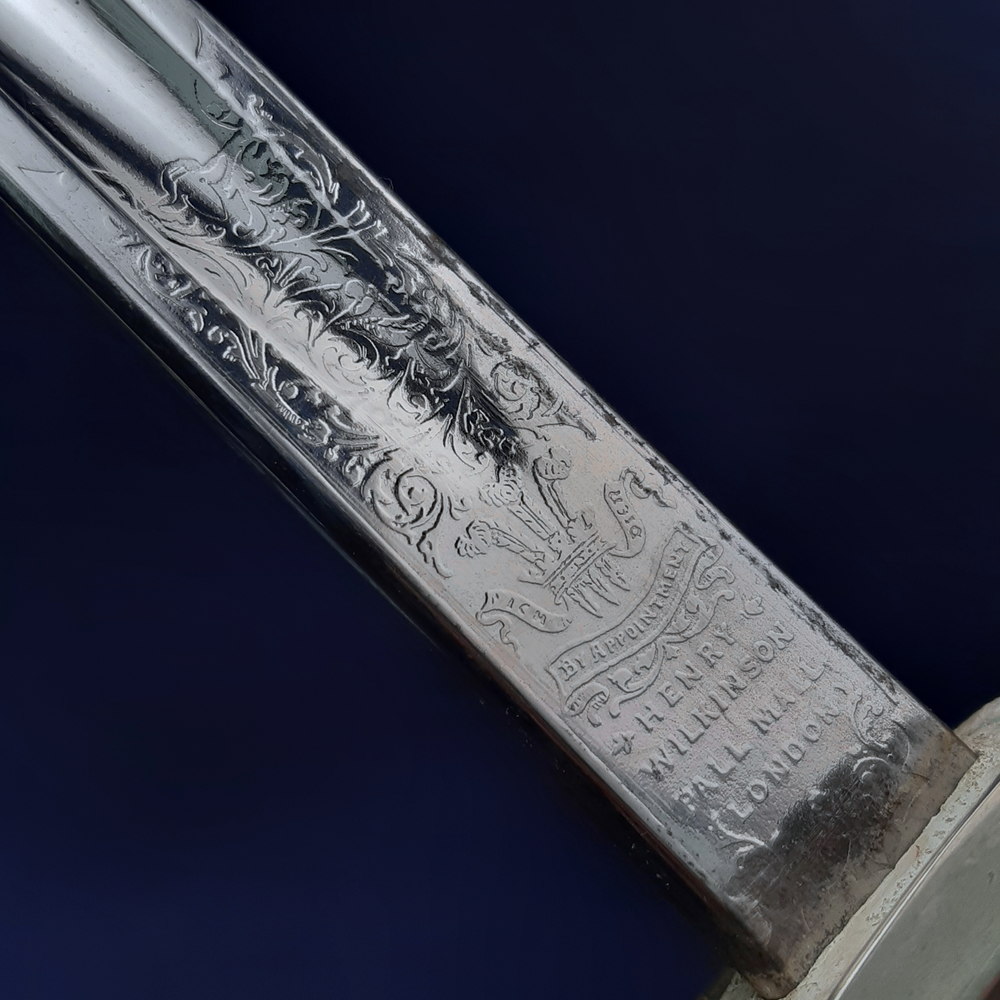
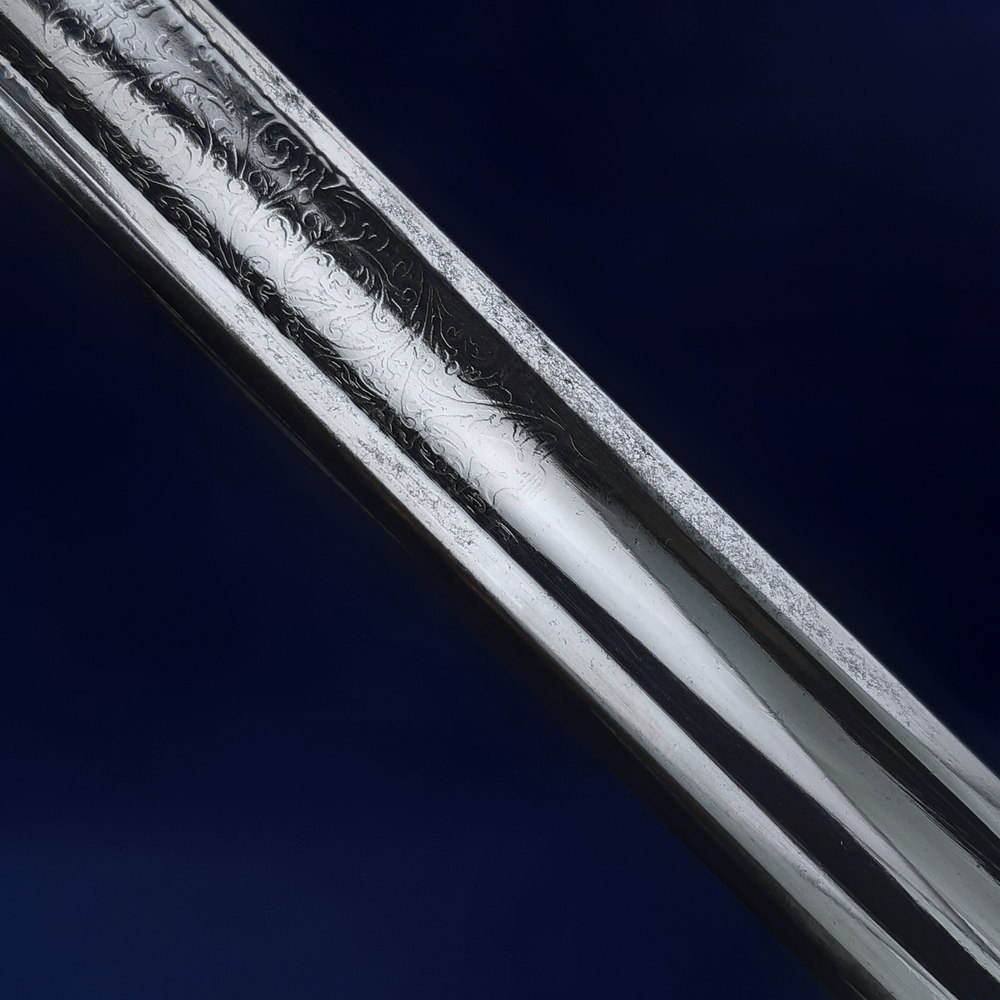
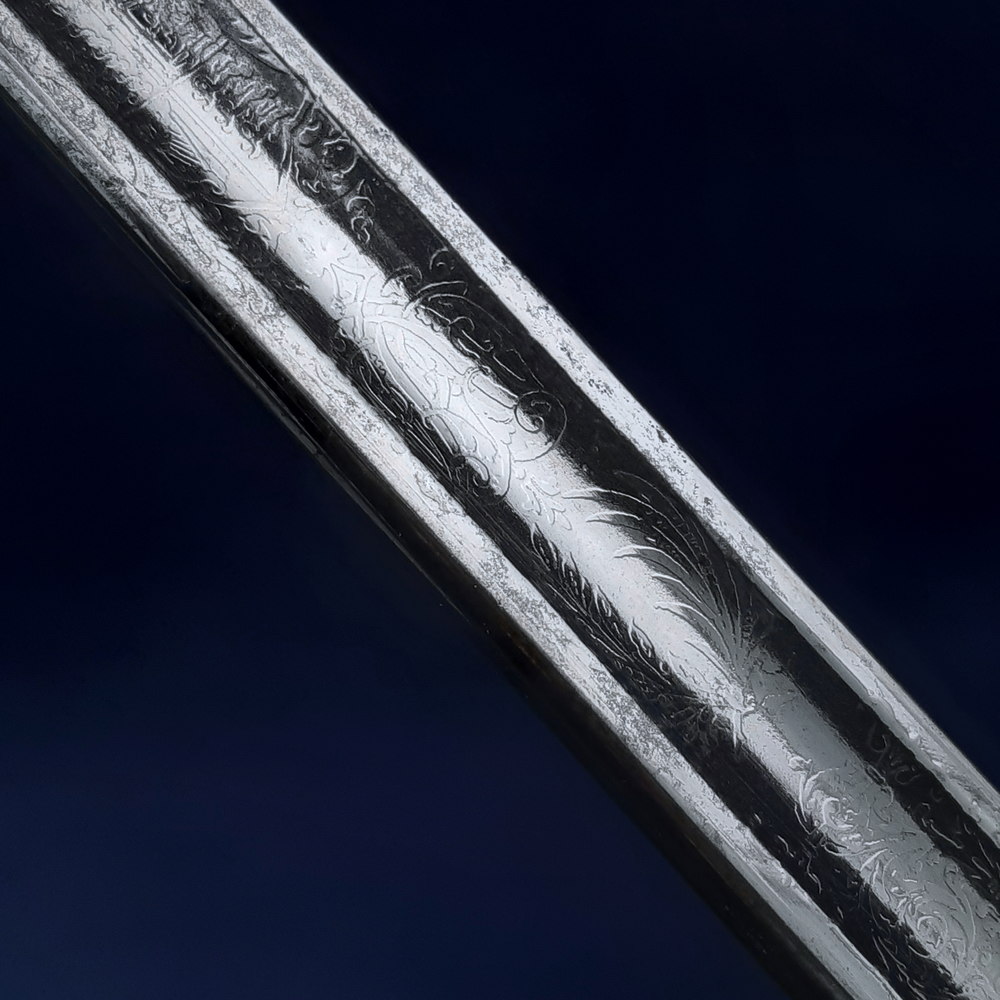
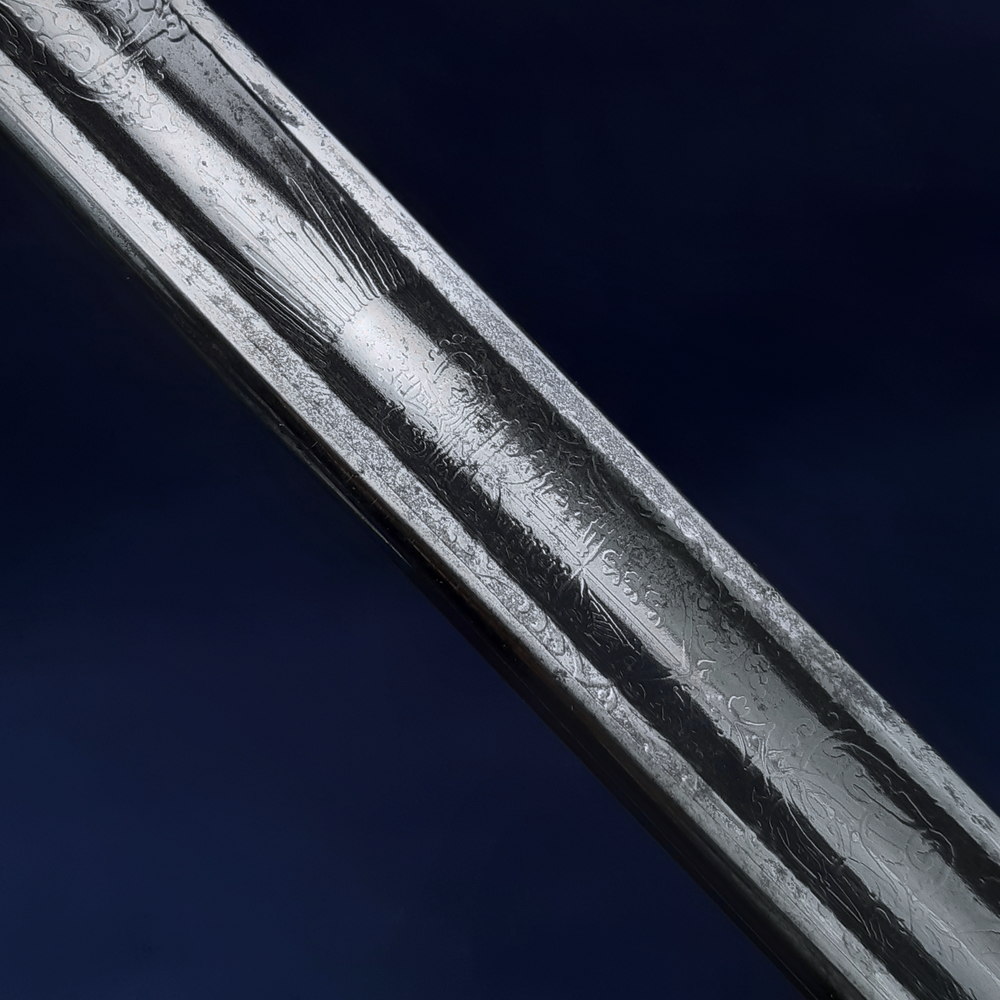
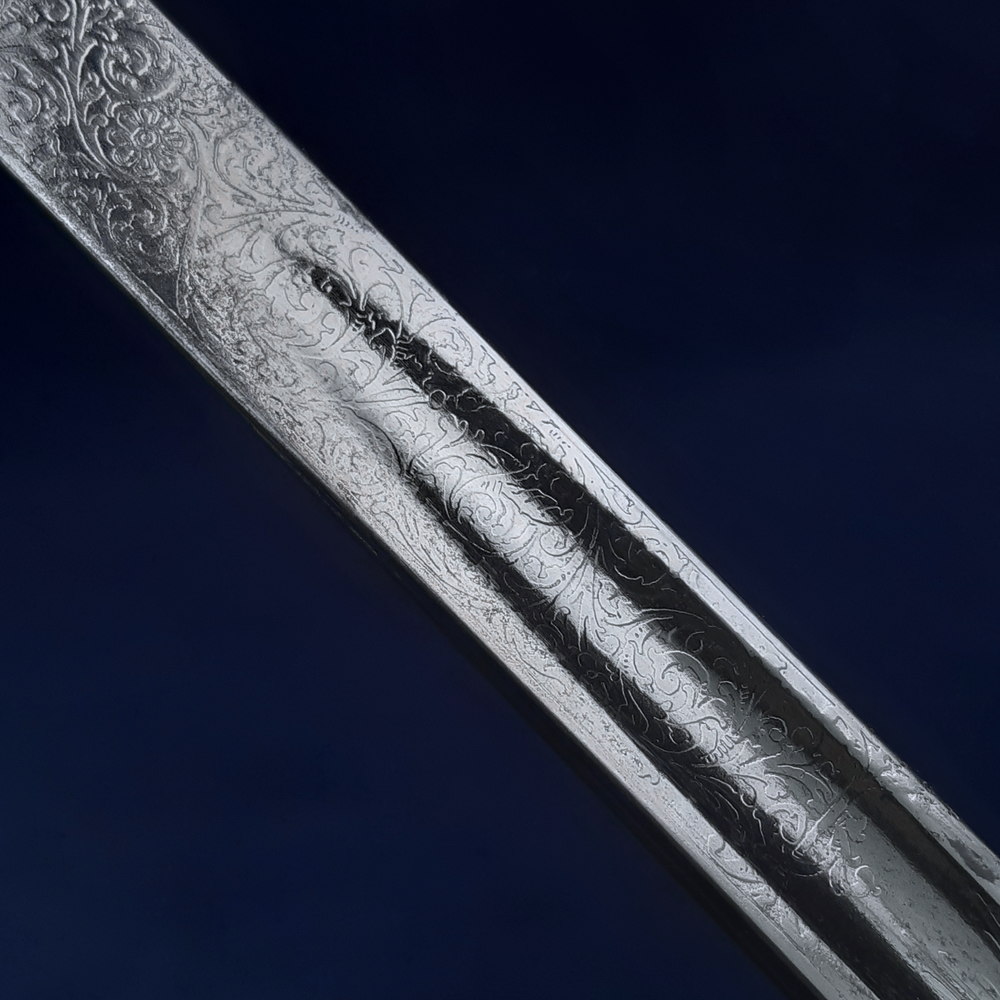
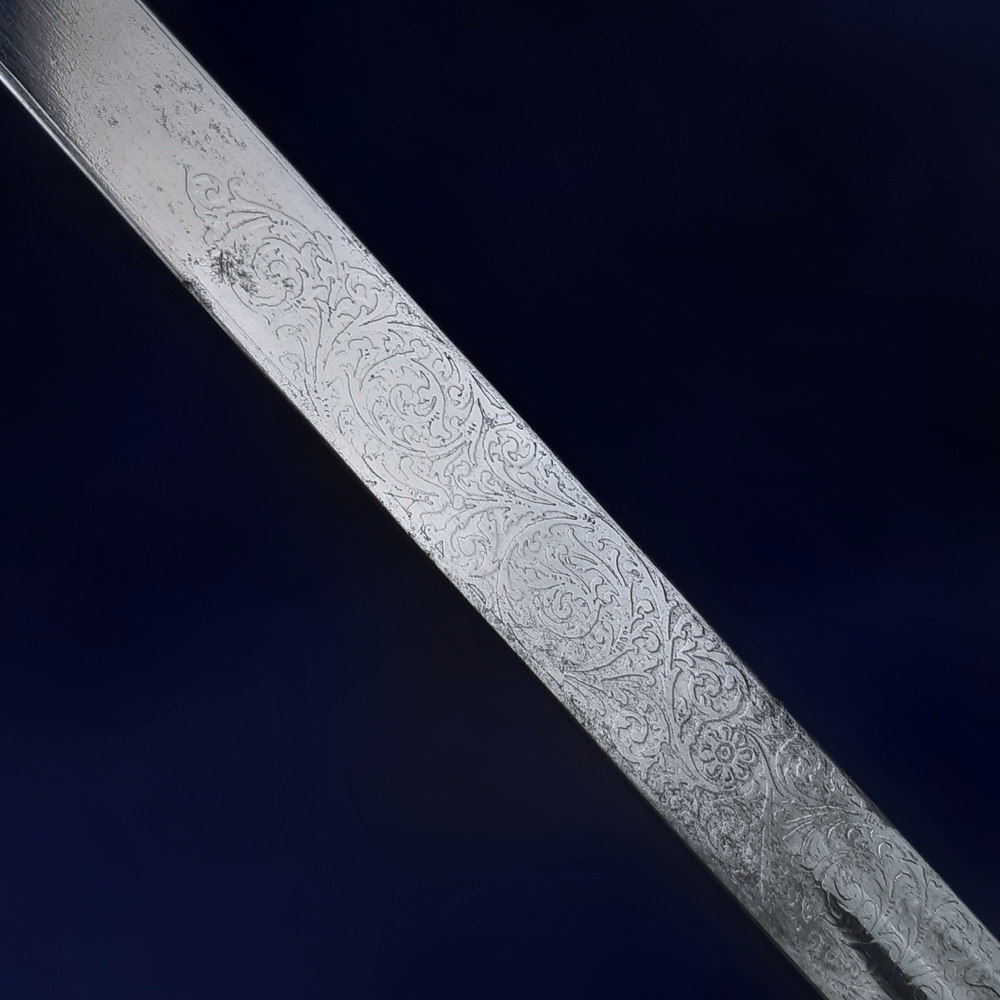
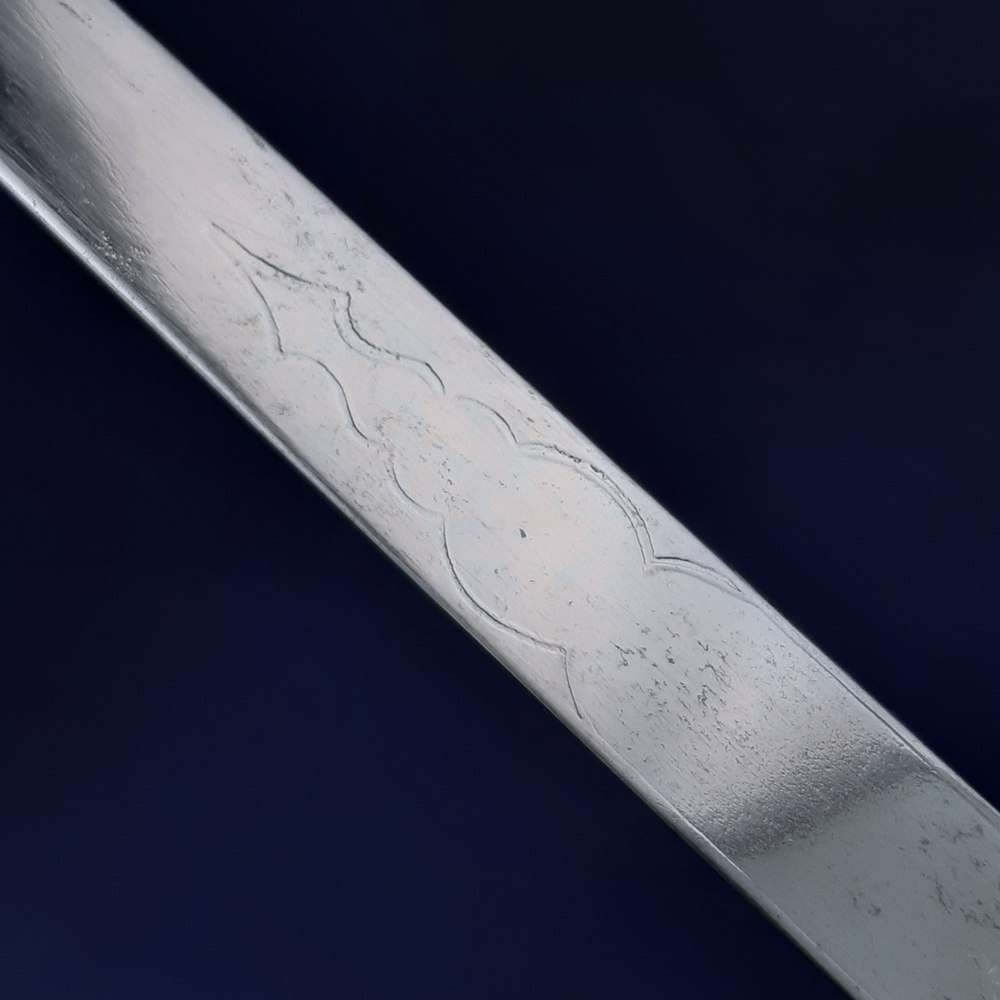
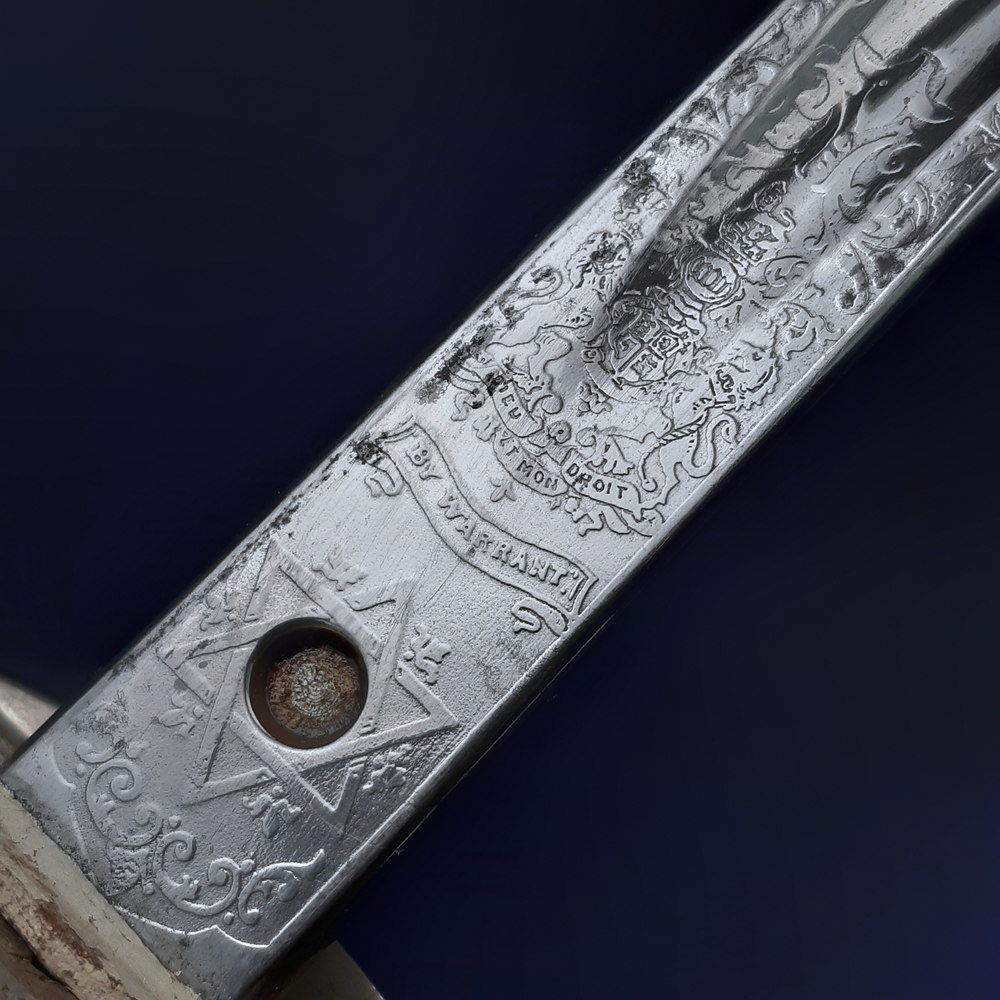
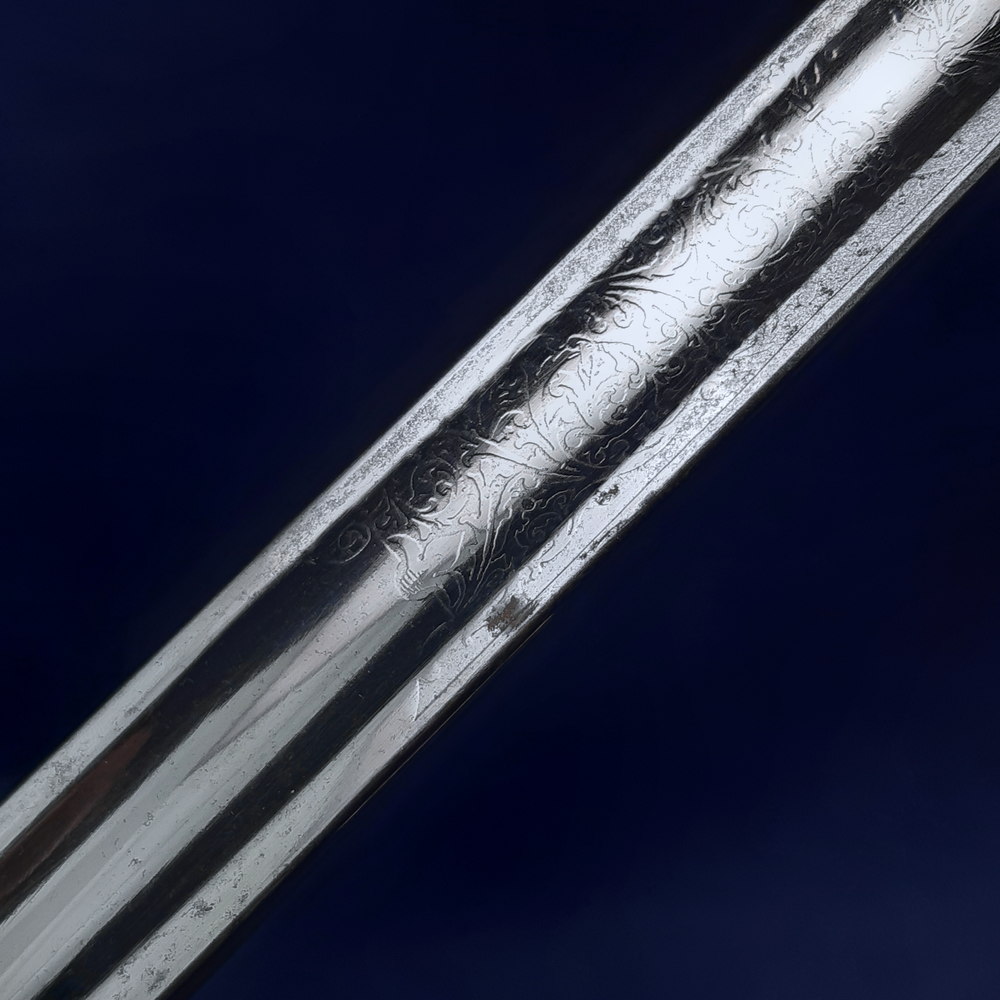
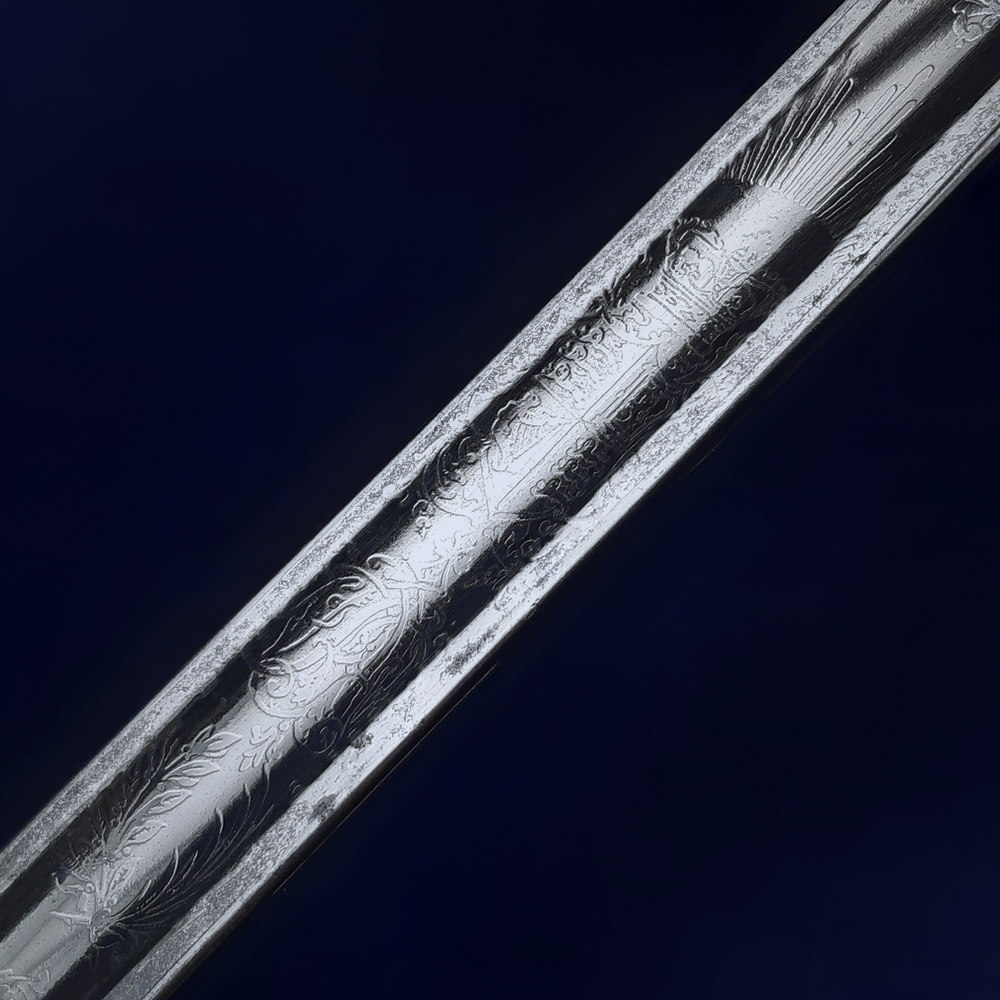
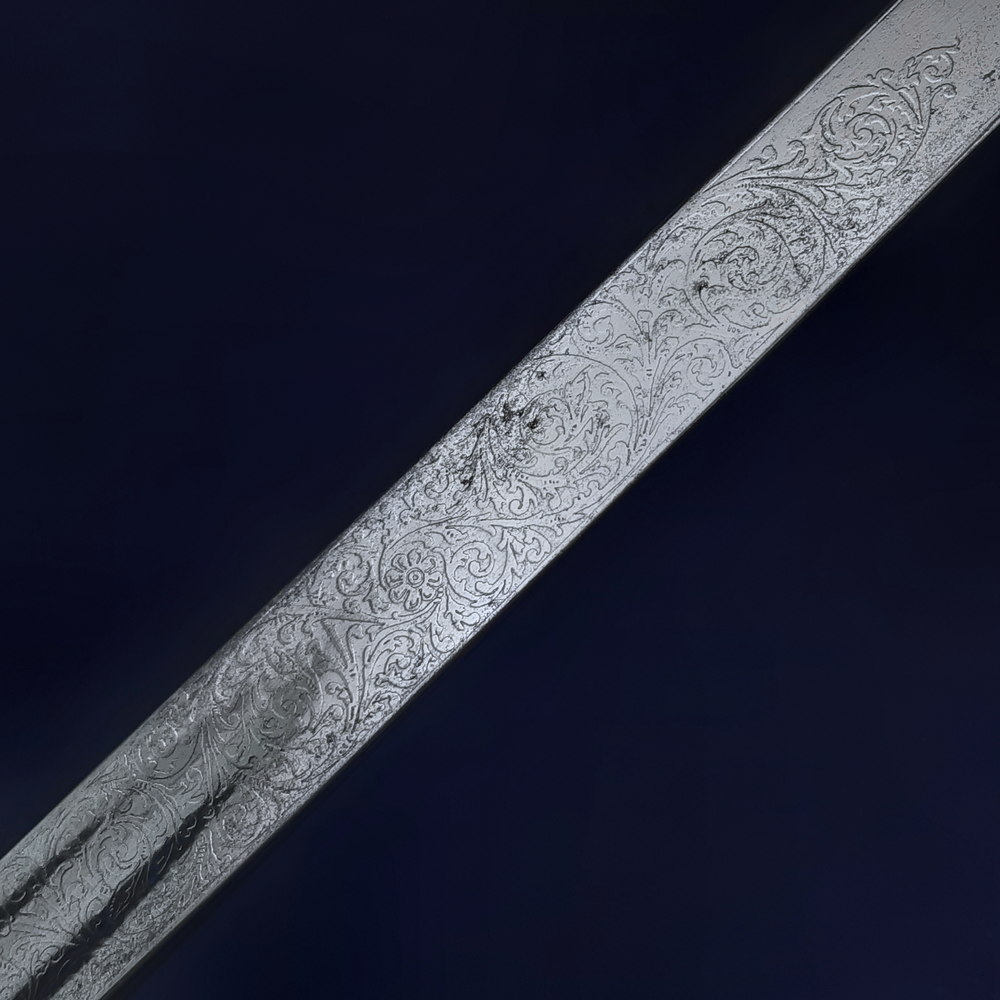
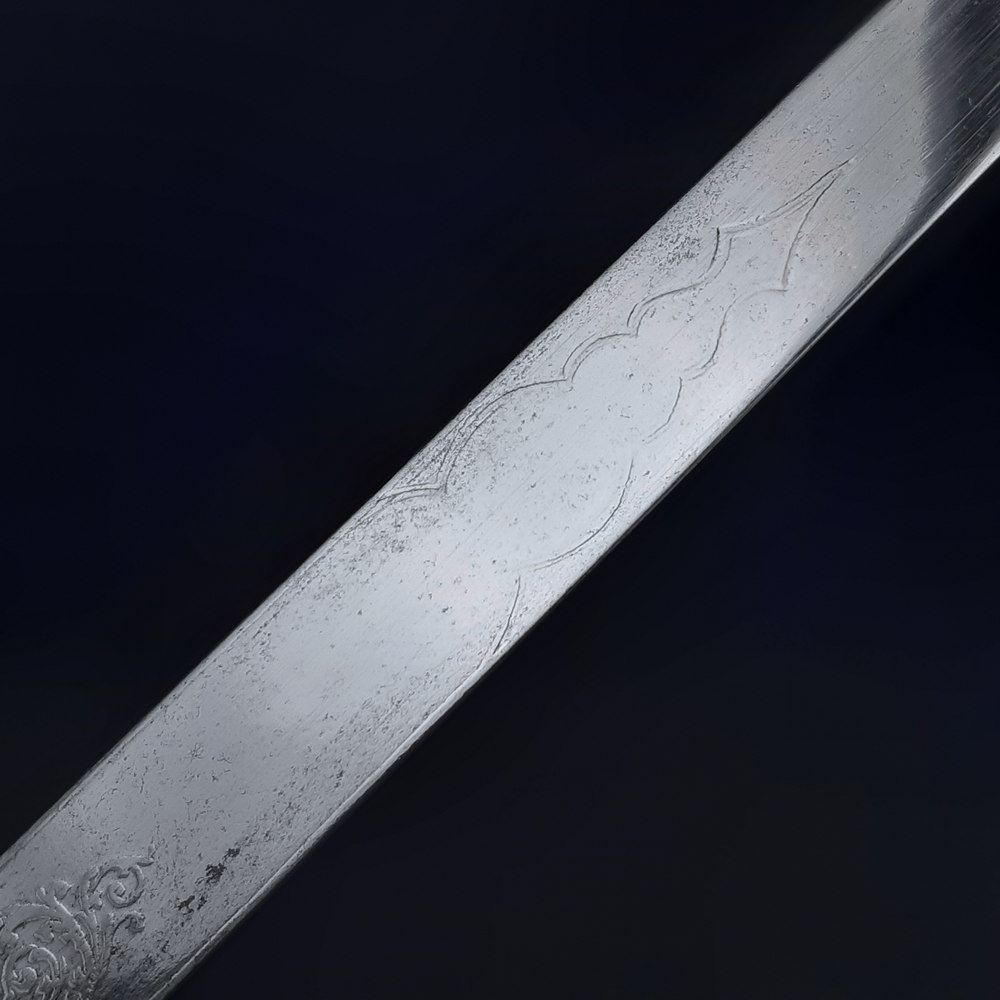
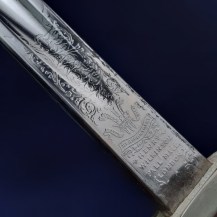
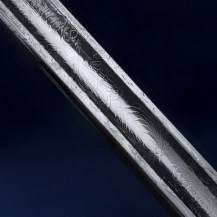
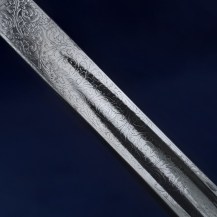
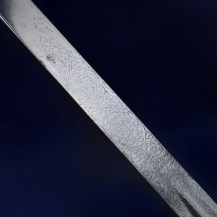
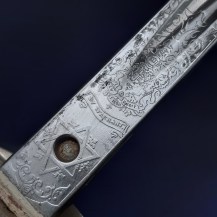
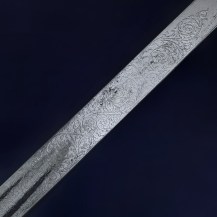
The blade is etched on one side at the ricasso with the maker’s mark ‘HENRY WILKINSON PALL MALL LONDON’ above which is the coat of arms of the Prince of Wales with and a scroll reading ‘BY APPOINTMENT’. Above this is a cartouche for the optional etching of the owner’s initials or family crest, which has been left blank. That side of the blade also features the crown & cypher of Queen Victoria (in its mirrored form), the royal coat of arms, a wreath of laurel & palm, and foliate motifs.
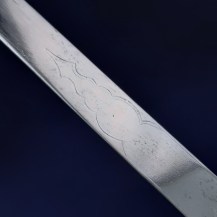
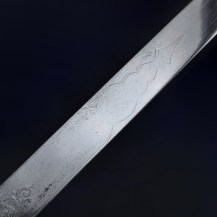
The other side of the blade is etched at the ricasso with a six-pointed star within which should be set a brass proof slug: the circular depression for one is there but the stamped brass slug itself has been lost. There is etching above this identical to the previous side: blank cartouche, crown & cypher, coat of arms, wreath, and foliate motifs.
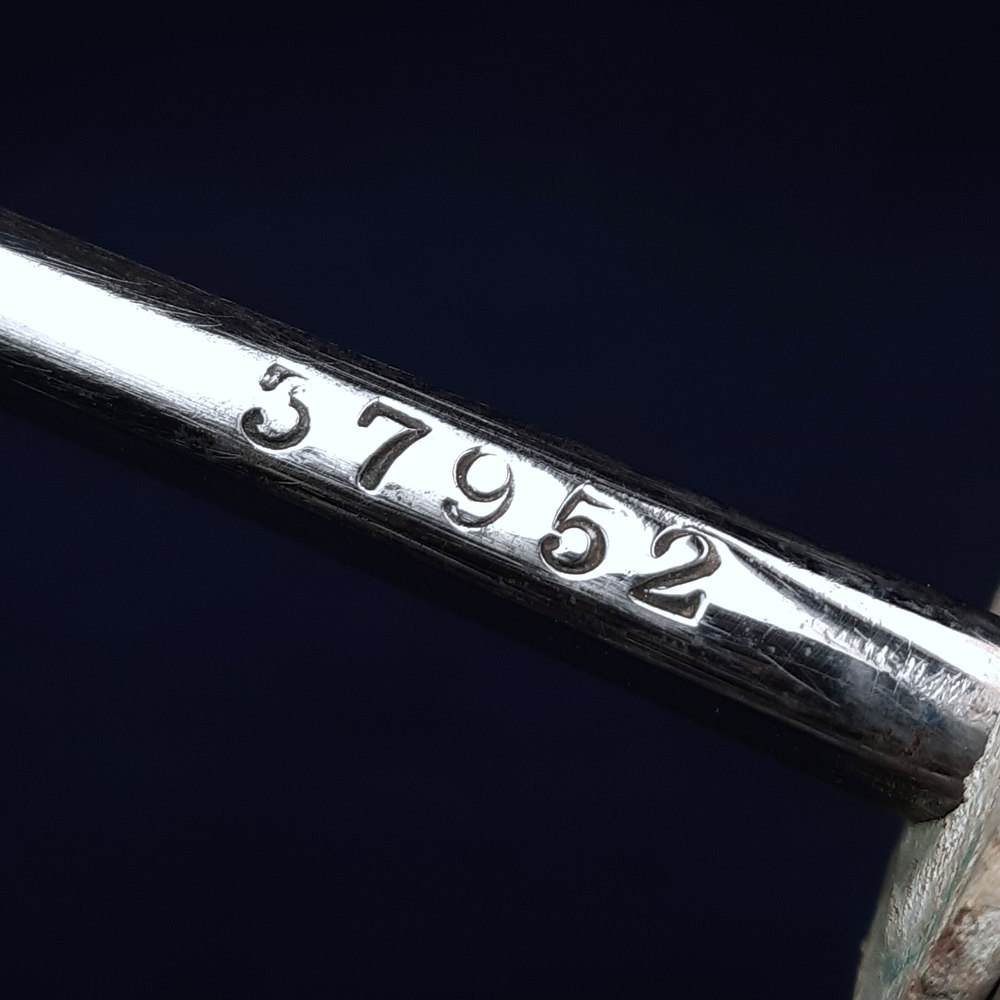
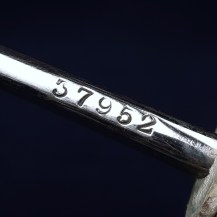
The spine of the blade is stamped at the forte with the serial number ‘37952’.
Bertram de Weltdem Weldon was born in November 1872 in Athy, County Kildare, Ireland. He was the fifth child, and third son, of Sir Anthony Crosdill Weldon, 5th Baronet Weldon. The Weldons were a long-standing family of Irish nobility, their influence dating back to the early 1600s in which Walter Weldon became MP for Athy Borough and High Sheriff of County Kildare. Their baronetcy dated back to 1723 when it was awarded to politician Thomas Burdett. Unusually this grant contained a ‘special remainder’ which made male heirs of Thomas’s sister Anne Weldon eligible to inherit it. This condition was triggered in 1840 making it the Weldon baronetcy thereafter.
Bertram graduated from the Royal Military College at Sandhurst and joined the Leicestershire Regiment as a 2nd Lieutenant in in August 1892. In October 1892 he joined the 1st Battalion in their barracks in Halifax, Nova Scotia, then went with them to Jamaica and the West Indies in March 1893. He was promoted to Lieutenant in February 1894. He went to South Africa in May 1896, slightly behind the rest of the regiment for some reason. Upon the outbreak of the Second Boer War in 1899 the 1st Battalion was part of the British garrison in the Natal, Bertram serving with its Mounted Infantry Company.
On the 20th October 1899 the Battle of Talana Hill, the first major battle of the Second Boer War, took place. The 1st Battalion Leicestershire Regiment was on guard duty protecting a British encampment near the town of Dundee, Natal, which was housing a British brigade under Lt. Gen. Symonds. Boer forces attacked by setting up a strong position on Talana Hill which overlooked both the town and the British camp and began to bring artillery fire onto the British.
The Leicesters held a defensive position while the other infantry units in the camp mounted an assault against the Boers on the hilltop. They succeeded but then took further losses to friendly artillery fire and due to major blunders by the cavalry the Boers made good their retreat. While counted as a British victory, Talana was an ill omen of how gruelling the Boer War would be.
The Leicesters were relatively unscathed except for some Boer artillery fire, with 1 officer killed, 1 officer and 1 enlisted man wounded. Bertram was the officer wounded, and this is noted in the British Army List.
Interestingly the records of the Royal Leicestershire Regiment elaborate that he was wounded ‘while leading a section of 2nd Bn The Royal Irish Fusiliers’. There might be some confusion here as sources suggest it was the 1st Battalion of the Royal Irish Fusiliers which was present. Bertram’s cousin, Captain George Anderson Weldon, was also present that day with the 2nd Battalion, Royal Dublin Fusiliers and was killed in action, the first officer fatality of the war. However, it is not impossible that Bertram filled in for lost leadership of another regiment and their records also state that he was captured by the Boers, which seems unlikely if he hadn’t taken part in the assault on their positions.
Bertram’s captors sent him to Intombi Camp (aka Intombi Spruit), a neutral camp & hospital located roughly four miles southeast of the besieged town of Ladysmith. The Boers were heavily shelling Ladysmith at the time, making hospitals there unsafe for treating casualties or victims of the ongoing outbreaks of typhoid and dysentery within the town. Both sides therefore agreed to establish Intombi as a safe zone to house displaced civilians and care for sick or wounded British troops. British medical staff ran the hospital, and a British officer could be transferred there on ‘parole’ for treatment after promising on his word of honour as a gentleman not to take up arms, pass military intelligence or try to escape.
Bertram appears not to have spent long there however as he was subsequently sent with other wounded officers to Ladysmith. Perhaps his injuries were slight enough or he had recovered enough not to merit further treatment in the safe zone. This would have reunited him with his fellow Leicesters: while they had won the engagement at Talana, British forces in the Natal were in an untenable position afterward and they had been withdrawn to Ladysmith to aid in its defense. They had to endure the remainder of the siege which lasted until February 1900.
He was Mentioned in Dispatches for his service in South Africa and was awarded the Queen’s South Africa Medal with the clasp ‘Talana’. In fact, the Medal roll notes that he only received a clasp for Talana which is rare. Only two other officers of the 1st Battalion only received the Talana clasp, one being Lieutenant Hannah (the officer killed there), and the other being Major Sandwith, who was noted in dispatches as having “commanded the General Depot almost throughout the campaign” meaning he was no longer in the field. The Army List describes Bertram as being ‘present’ at the siege of Ladysmith, but he evidently did not merit the ‘Defence of Ladysmith’ clasp.
Bertram was withdrawn from South Africa at some point in 1900 and served as Aide de Camp to the commander of the Curragh camp in Ireland. Wilkinson company records attest that ‘Capt B de W. Weldon Leicest Regt’ purchased sword 37952, an ‘Infantry’ sword, on the 11th May 1900. Given the date this was not, as is more often the case, a sword purchased by a newly commissioned officer. Rather it was bought upon his return from South Africa, perhaps as a replacement for an original which was lost or broken at Talana, or taken from him subsequent to his capture.
He was promoted to Captain in November 1900, which is interesting as he described himself to Wilkinson as one earlier. Perhaps he had prior knowledge of his promotion. He was at the Curragh until some time in 1901 and he served with the Egyptian Army in 1902-03, for which he was awarded the Khedive's Medal. He retired from the regular army in August 1905 and became a Captain with the 3rd (Reserve) Battalion of the Leicestershire Regiment, a militia battalion.
Bertram re-enlisted in the Army on the outbreak of the First World War, rejoining the 3rd Battalion Leicestershire Regiment at the rank of temporary Captain in September 1914. He was promoted to temporary Major and deployed to France in June 1915 with 10th Service Battalion, Lancashire Fusiliers.
He was awarded the Military Cross in June 1917, still at the rank of temporary Major, as part of the 1917 Birthday Honours. These honours were the first to come after rules were amended to iron out a significant anomaly whereby temporary Majors could not be awarded gallantry medals: they were too senior for the MC (Captain and below) but too junior for the DSO (Major and above). They were made eligible for the MC to fix this. The actions qualifying Bertram for his medal would have taken place some time earlier but he could not be awarded it until then.
He survived the war and in June 1920 joined the Royal Marines as an Honorary Temporary Major in order to serve as an interpreter with the Naval Inter-Allied Commission of Control, Berlin. He spoke multiple languages, his record with the Leicestershire Regiment listing these as ‘Shorthand & Pitman's, French, German, Italian very slightly, Dutch’.
Bertram authored two books, The Evolution of Israel. the Story of the English Race from 721 B. C. to the Present Day (published 1910, presumably written after his initial retirement in 1905), and The Origin of the English (published 1919). These books contributed to the theory of ‘British-Israelism’ which was the odd, but remarkably widespread at that time, theory that the British people were descended from the lost ten tribes of Israel, used by some as an explanation for and/or justification of the British Empire’s geopolitical dominance.
Bertram died in October 1922, aged 49, unmarried with no children. He never inherited his father’s baronetcy, this having passed to his eldest brother Anthony Arthur Weldon in January 1900 while they were both serving in the Boer War (Anthony was aide-de-camp to Lord Wolseley, for which he was awarded the DSO) and thence by descent to the current-day 9th Baronet Weldon.
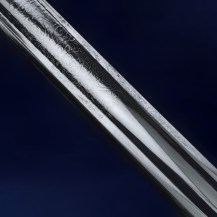
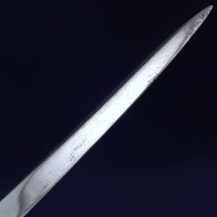
The sword is solidly peened, firm in the hand with no movement to any parts, the blade rings when struck. The blade has a very bright glossy finish, I believe plated, which slightly softens the etching but is in very good condition. The blade’s tip (approx. 2cm, 0.75 inches) is slightly bent to the left. The edge is unsharpened and undamaged.
The hilt, backstrap, pommel and scabbard throat have a more matt nickel-plated finish, with minimal wear to this even in high-friction areas like the inside of the guard. The shagreen of the grip is all intact with moderate handling wear and a few spots of scale loss, its wire binding is all intact and tight. The leather sword knot is dry and crumbling with significant surface abrasion. Its acorn has detached and will be included with the sword, although it too has surface abrasion and I am not optimistic it can be reattached due to the condition of the knot.
The throat piece of the scabbard is clean and bright. The scabbard band has some shrinkage which has opened its seams slightly, and surface-level cracking. The frog strap also has surface cracking and some abrasion to its edges but remains generally strong and flexible. The leather scabbard body has some small scuffs to its surface, one tiny hole through to the wood core on one side. The stitching of the scabbard has opened slightly next to the throat, still with visible thread so probably due to shrinkage, otherwise intact.
