














British Edward VII 1821 Pattern Cavalry Officer’s Sword, Dated 1901-1910 by Parker & Co (Later Parker-Hale)
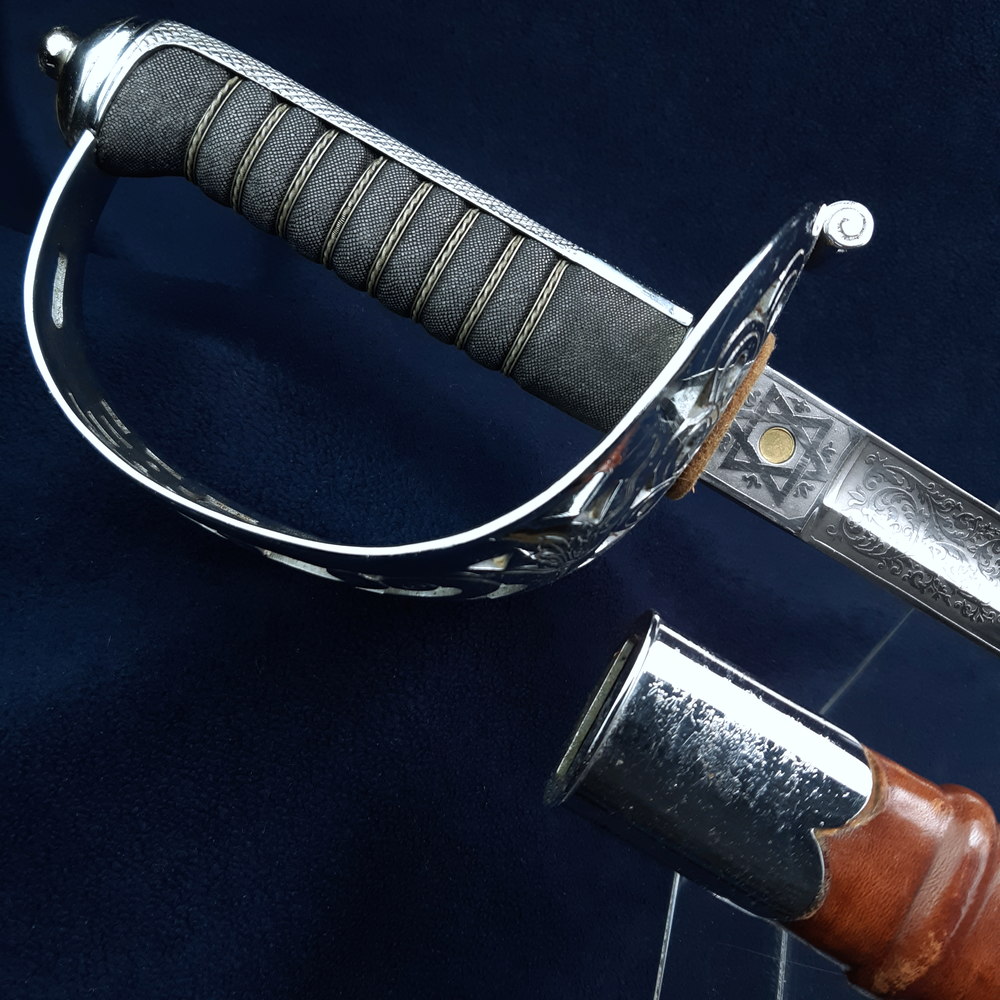
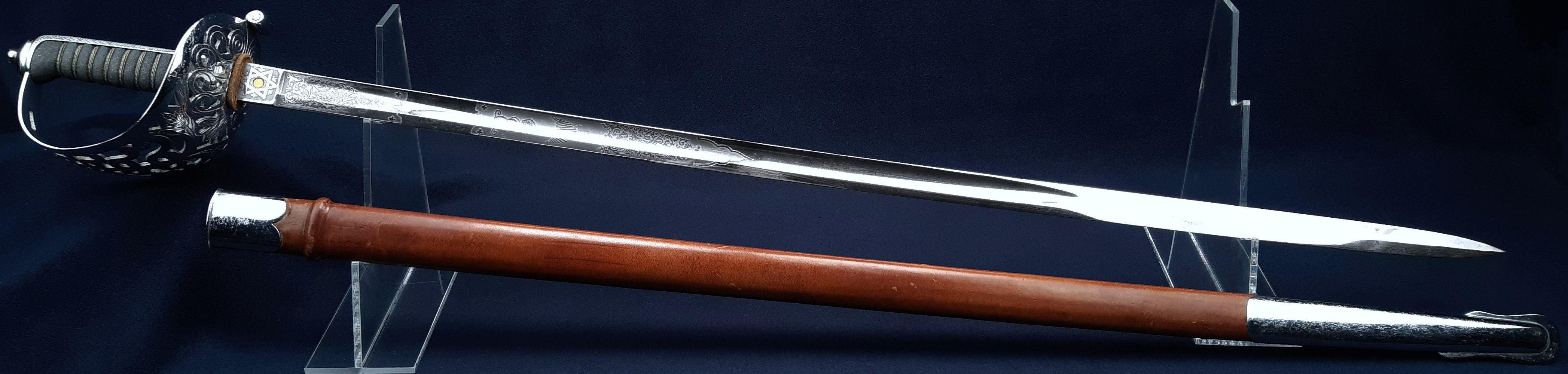
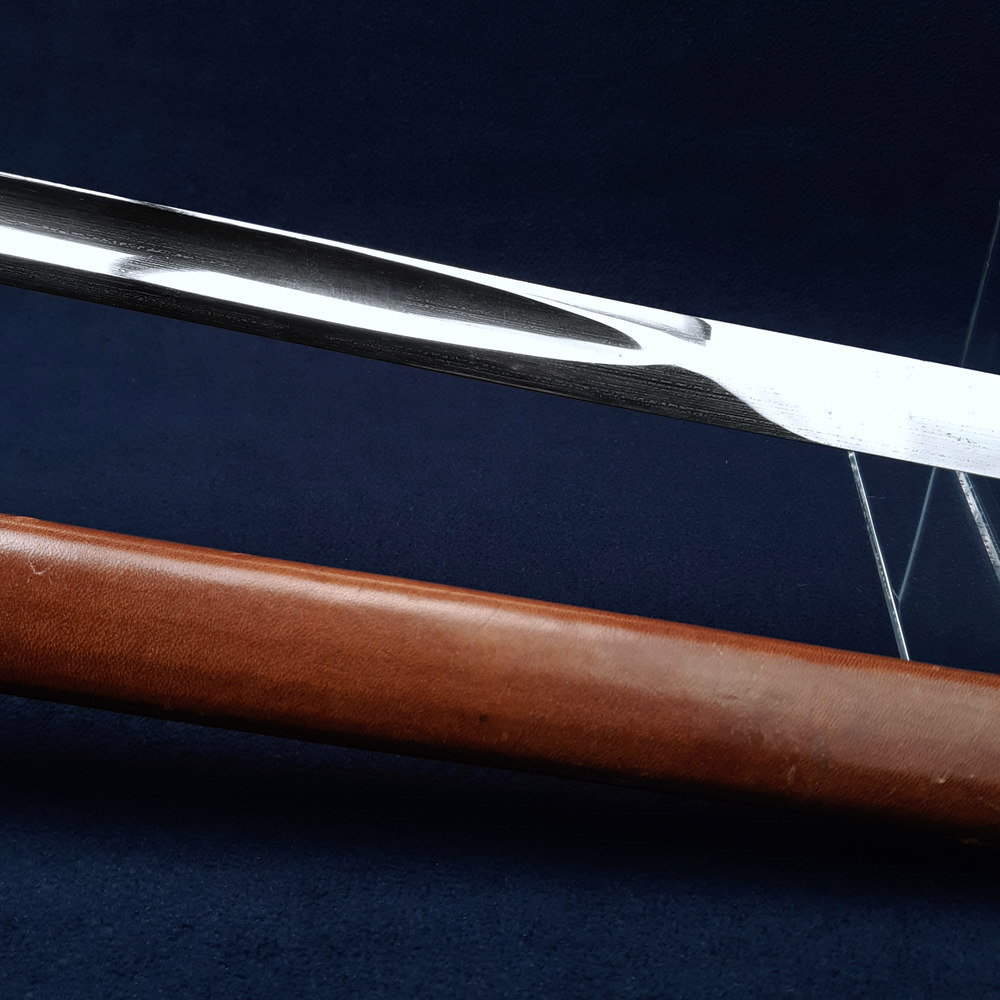
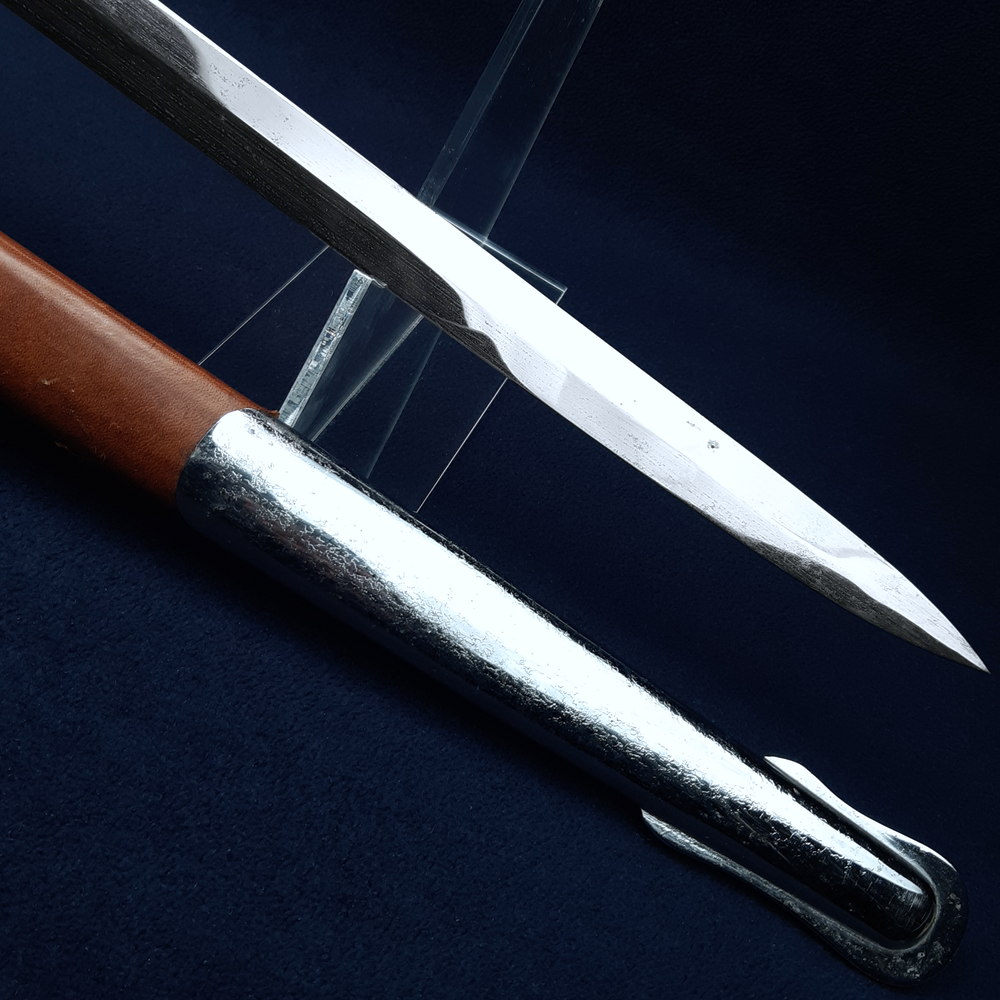
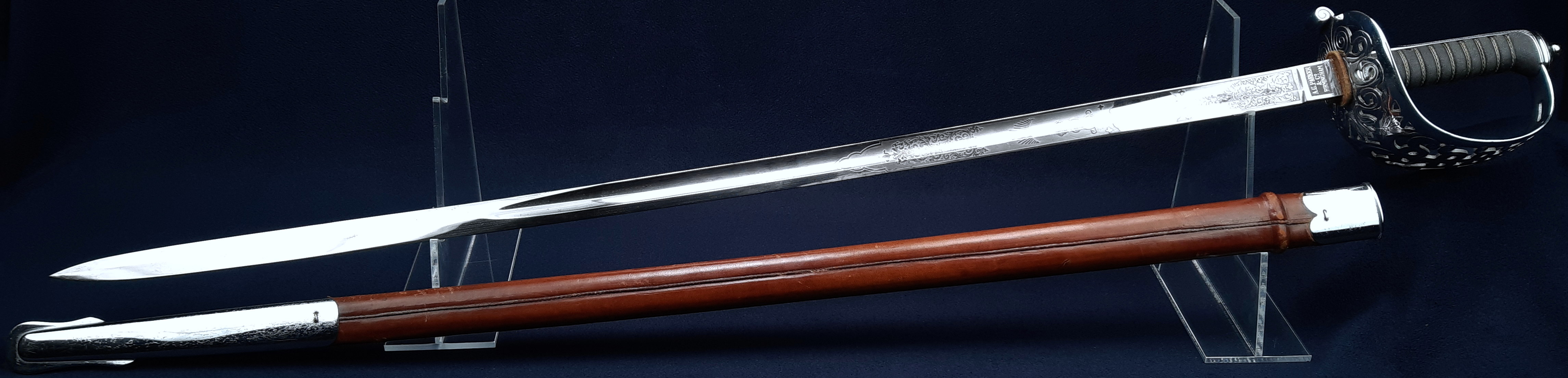
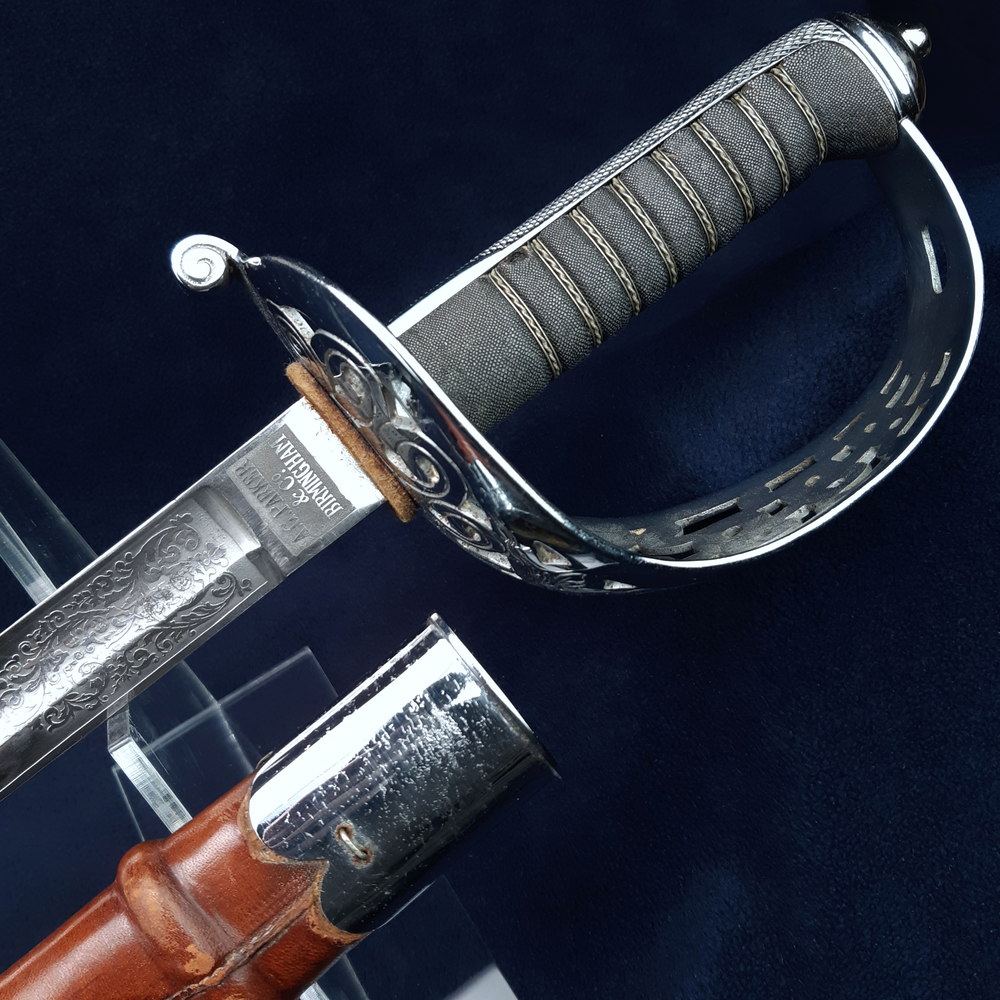
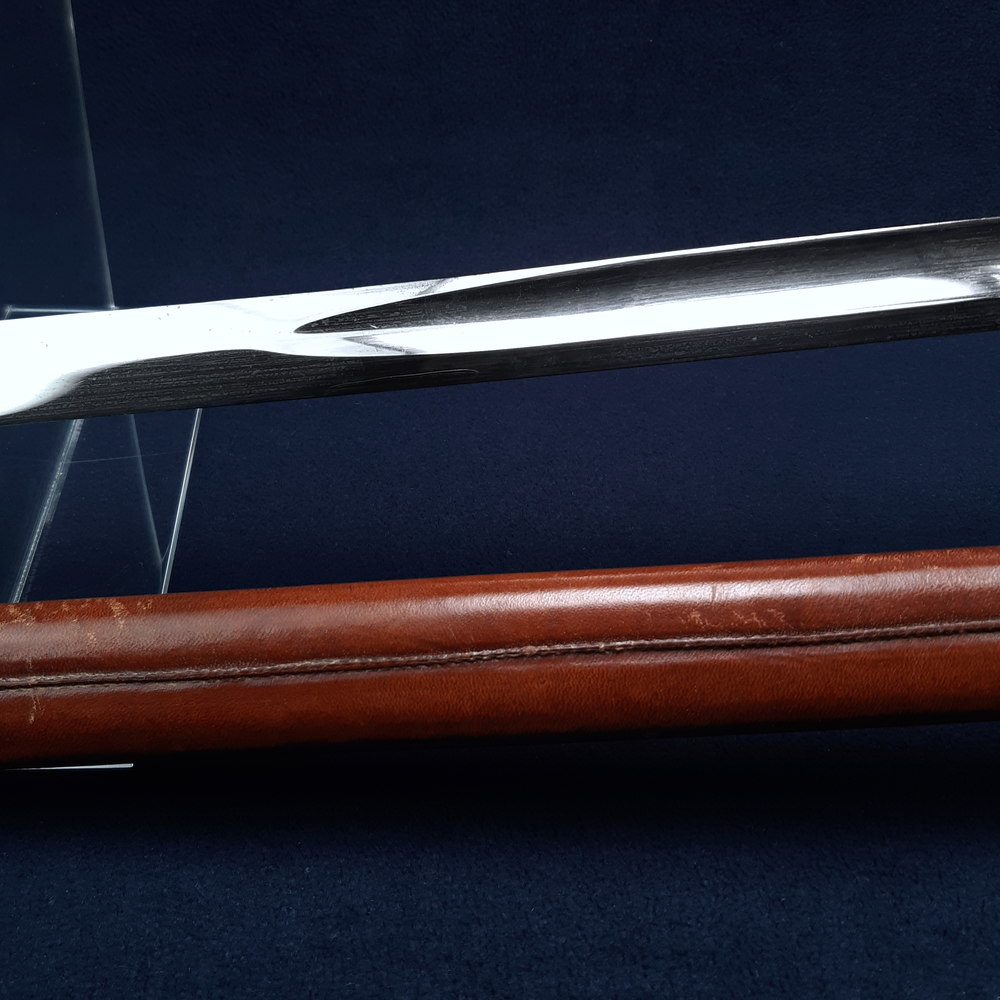
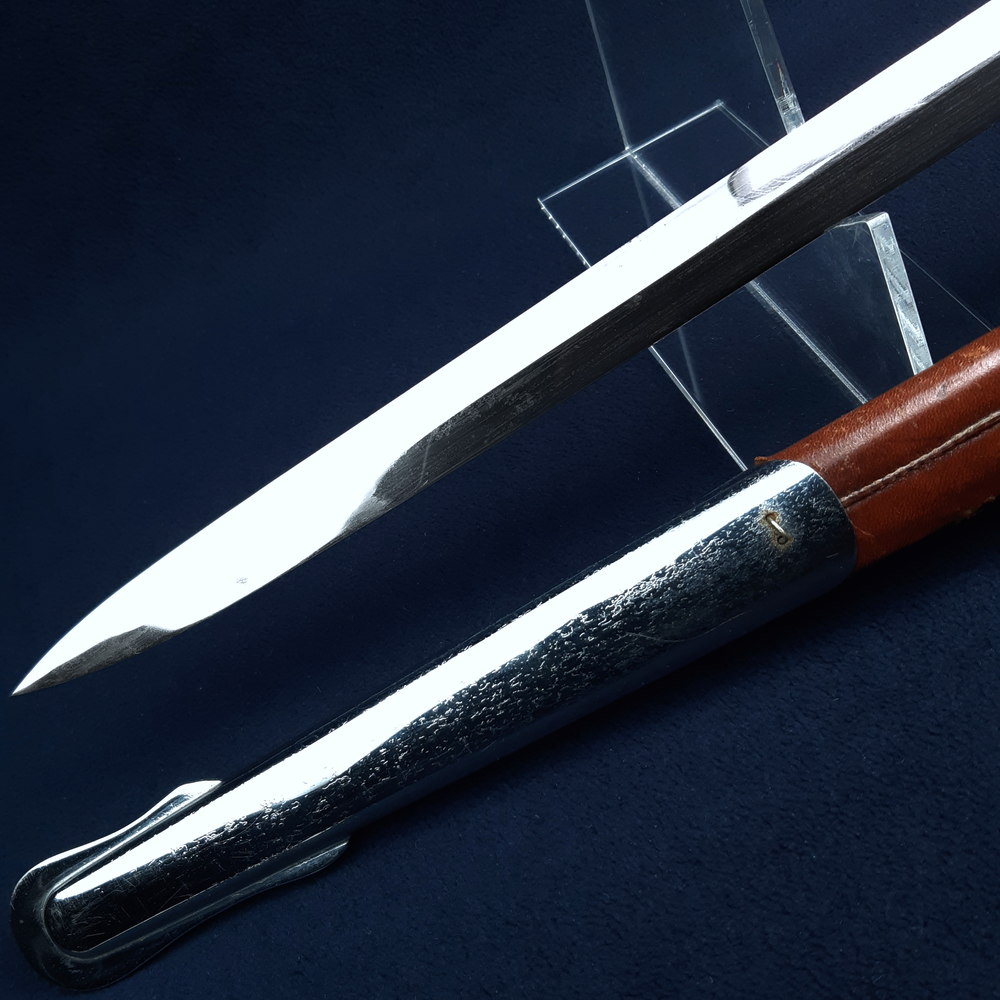
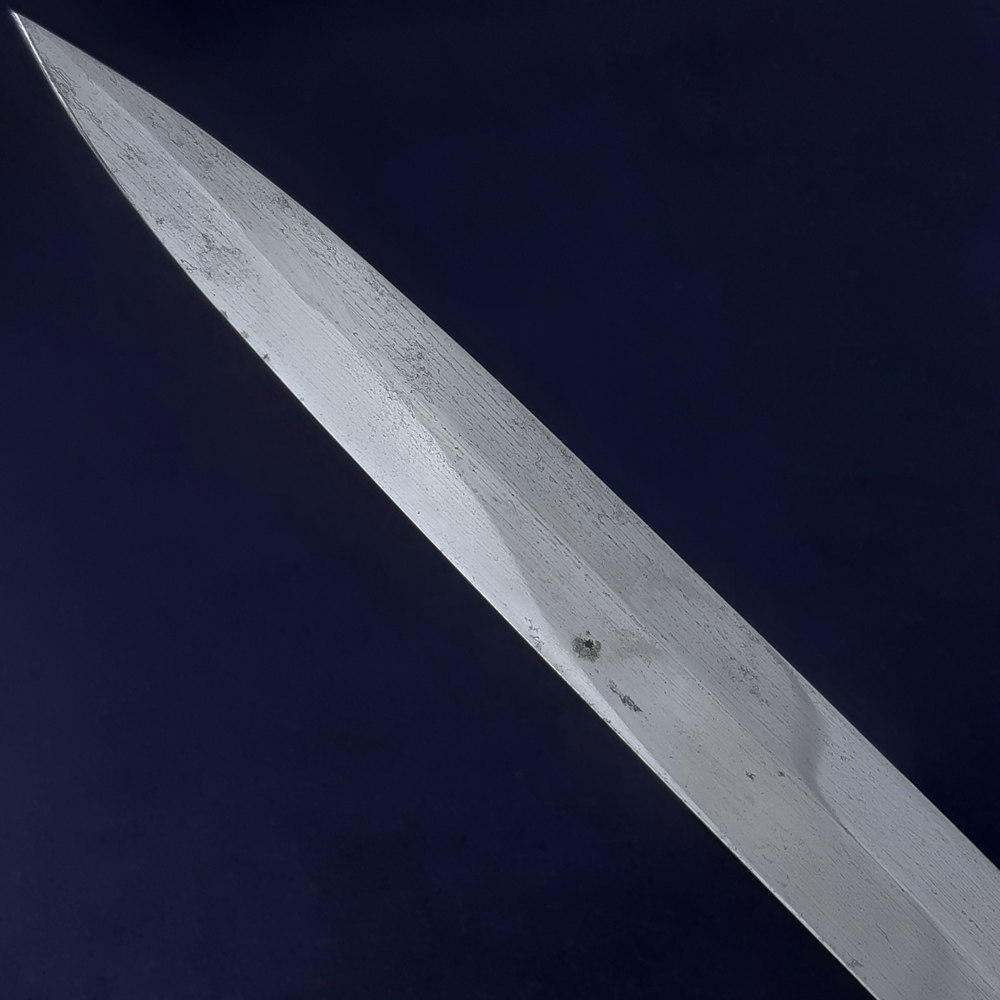
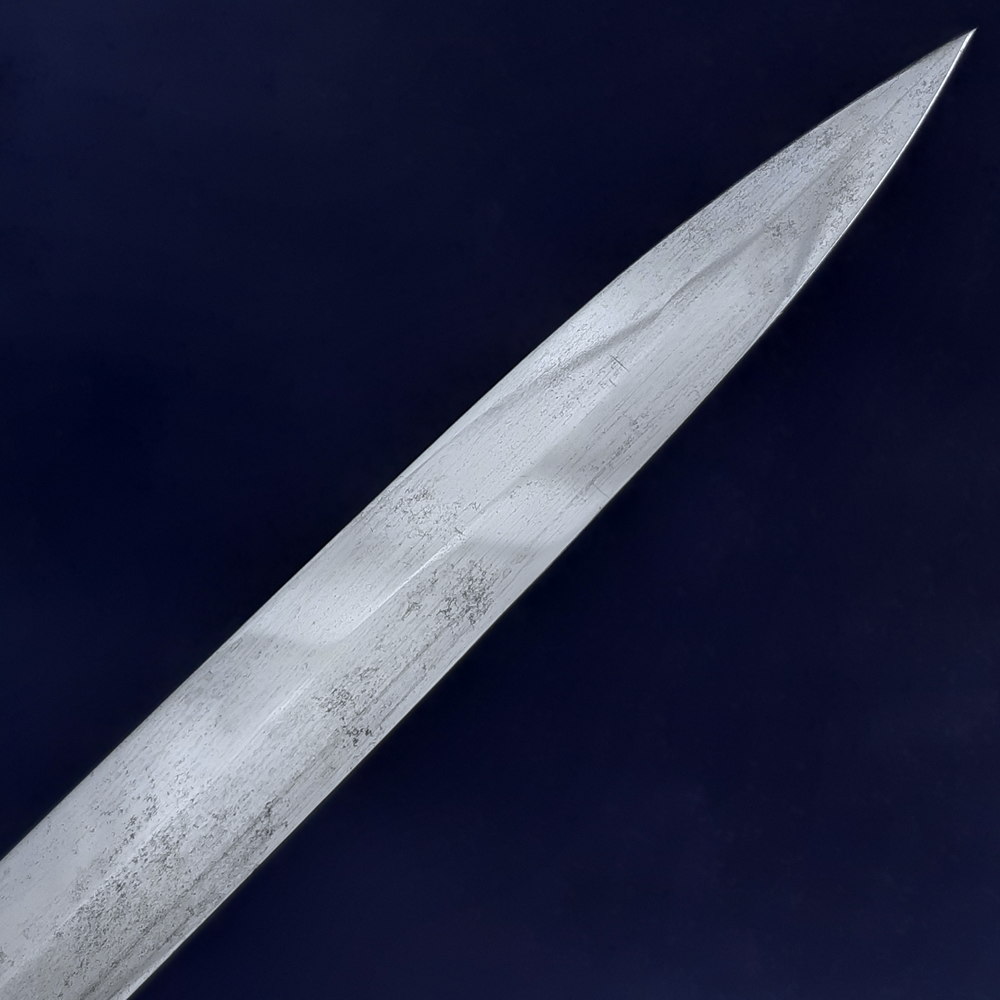
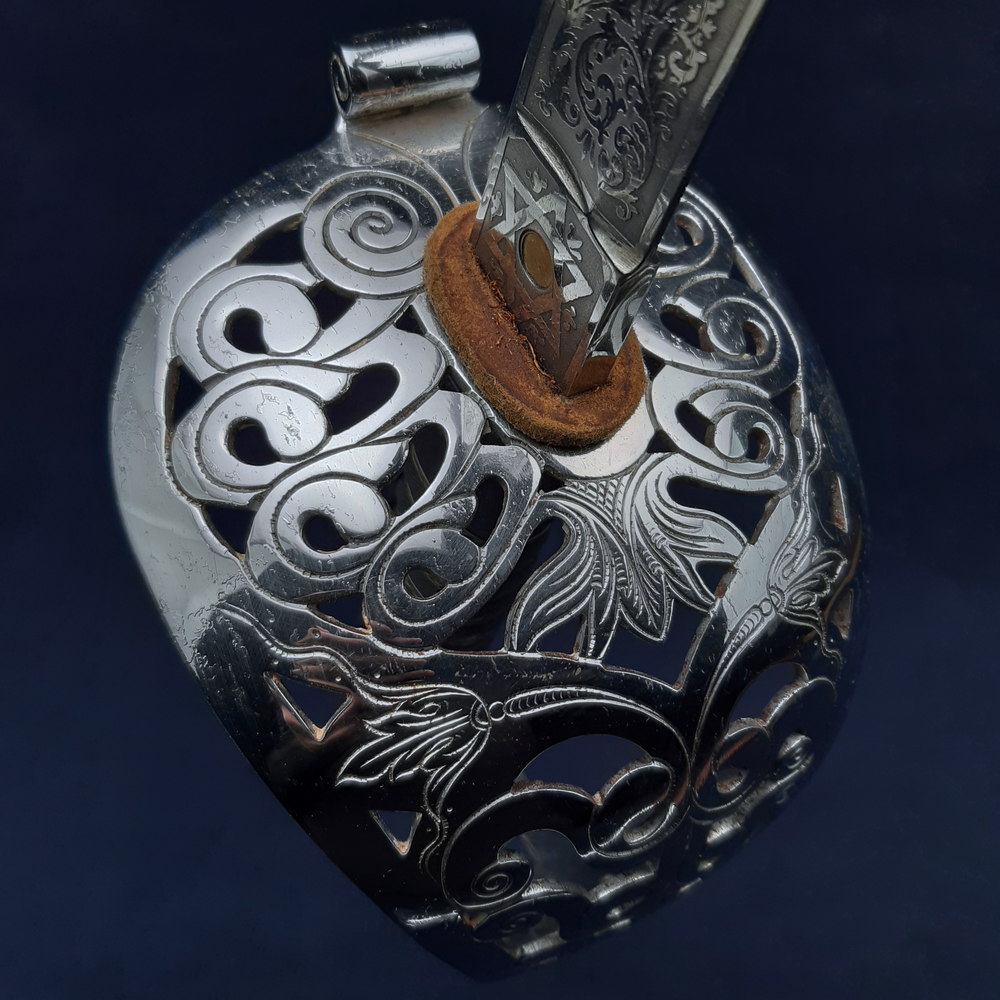
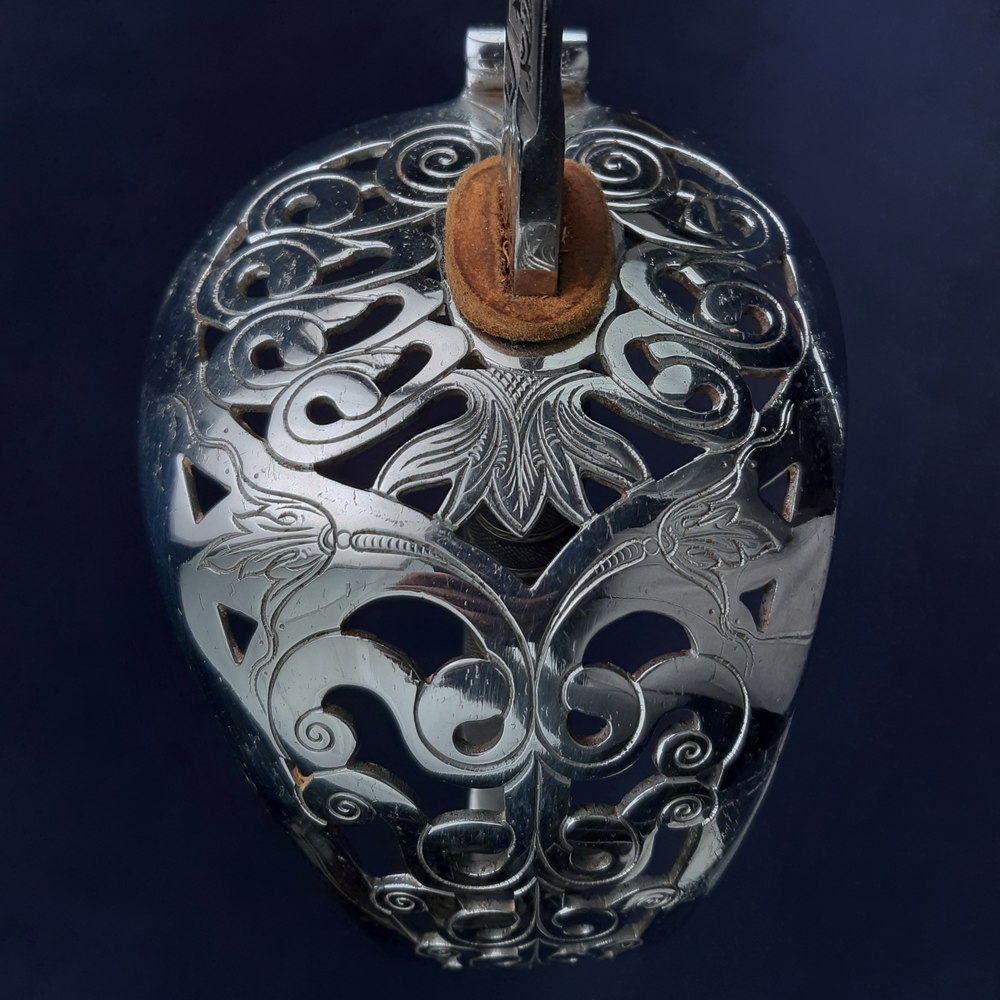
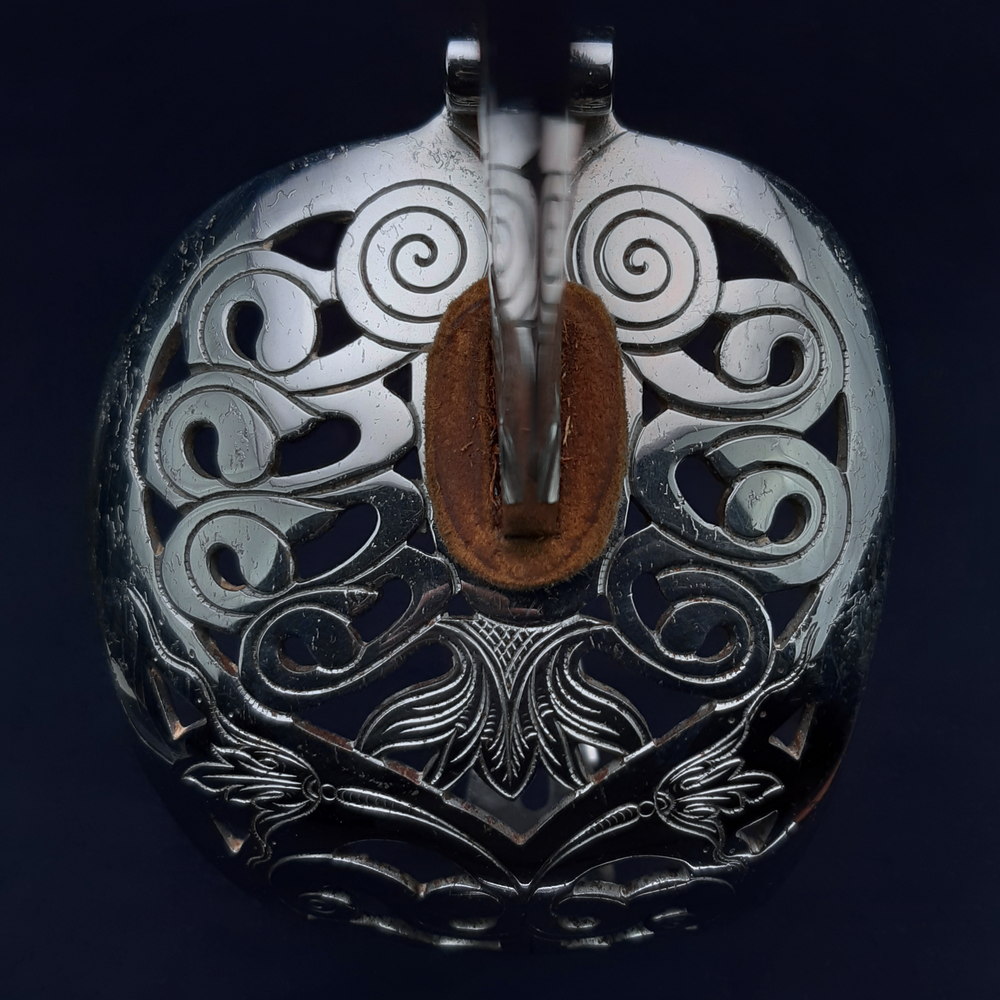
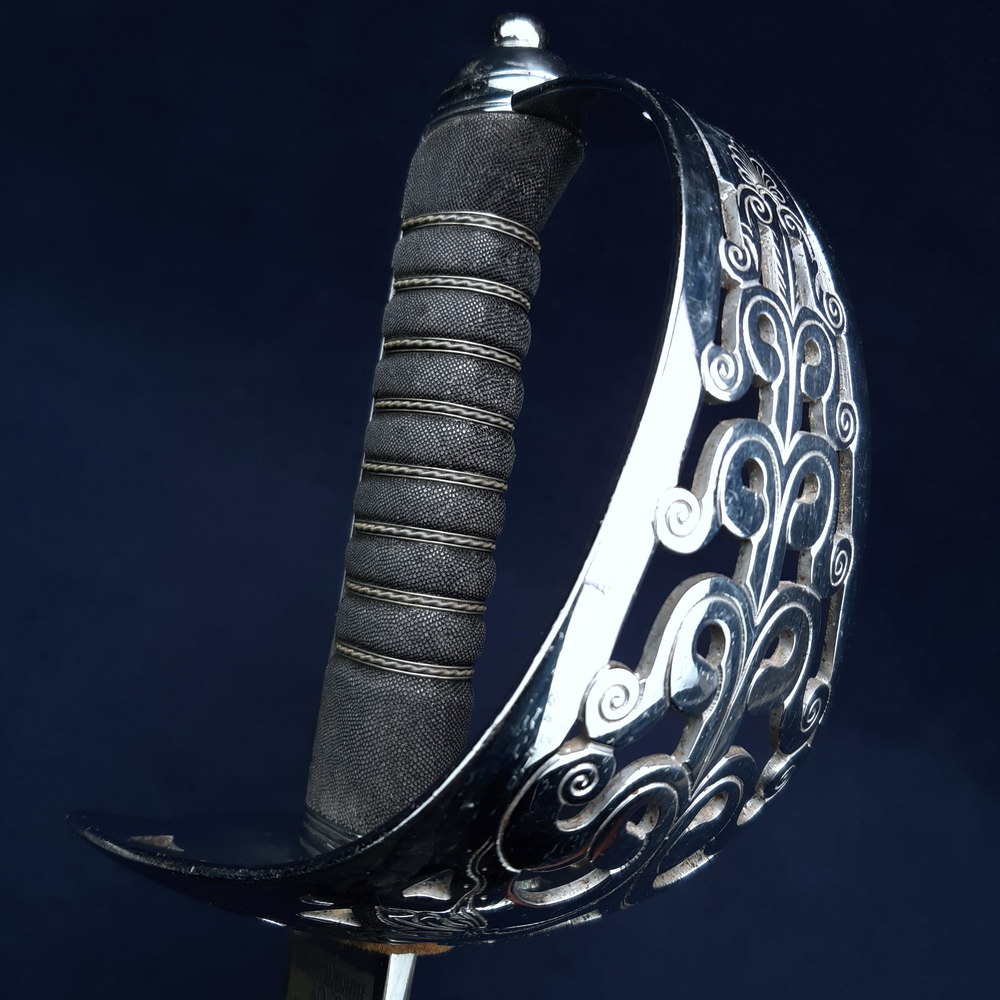
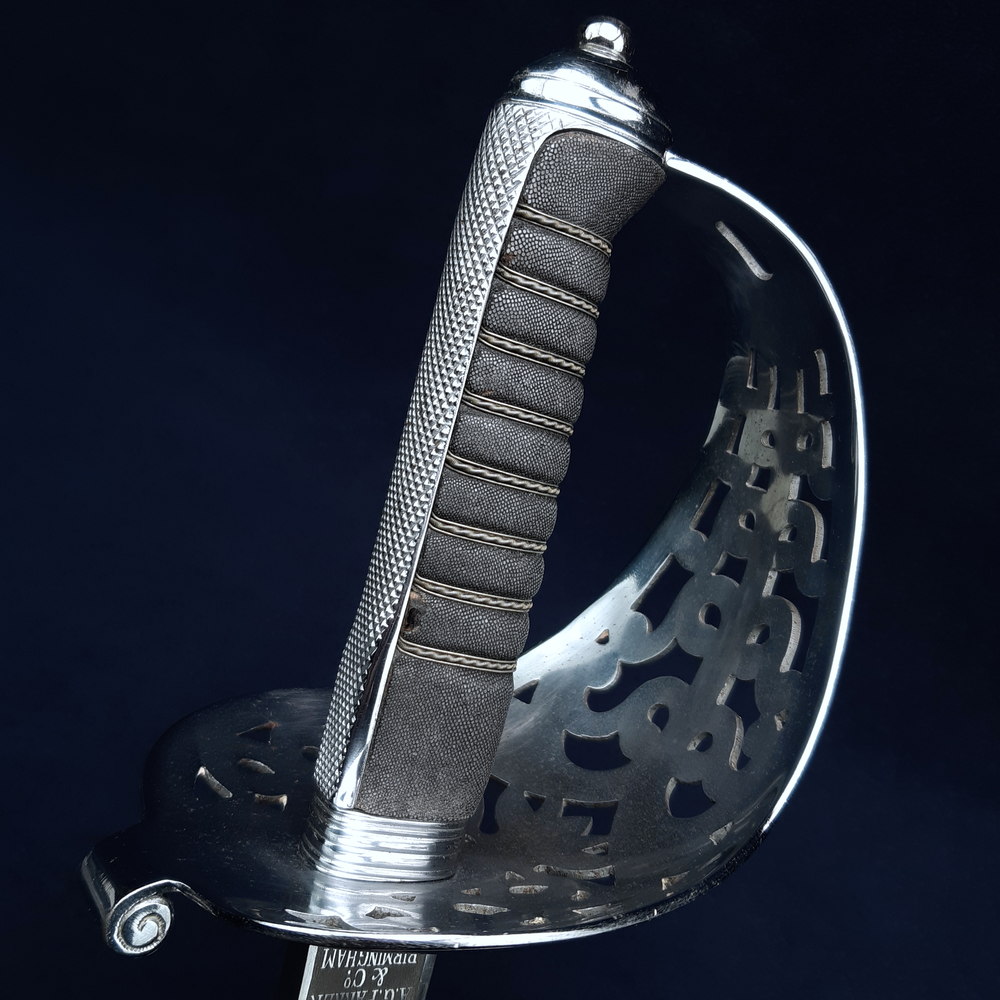
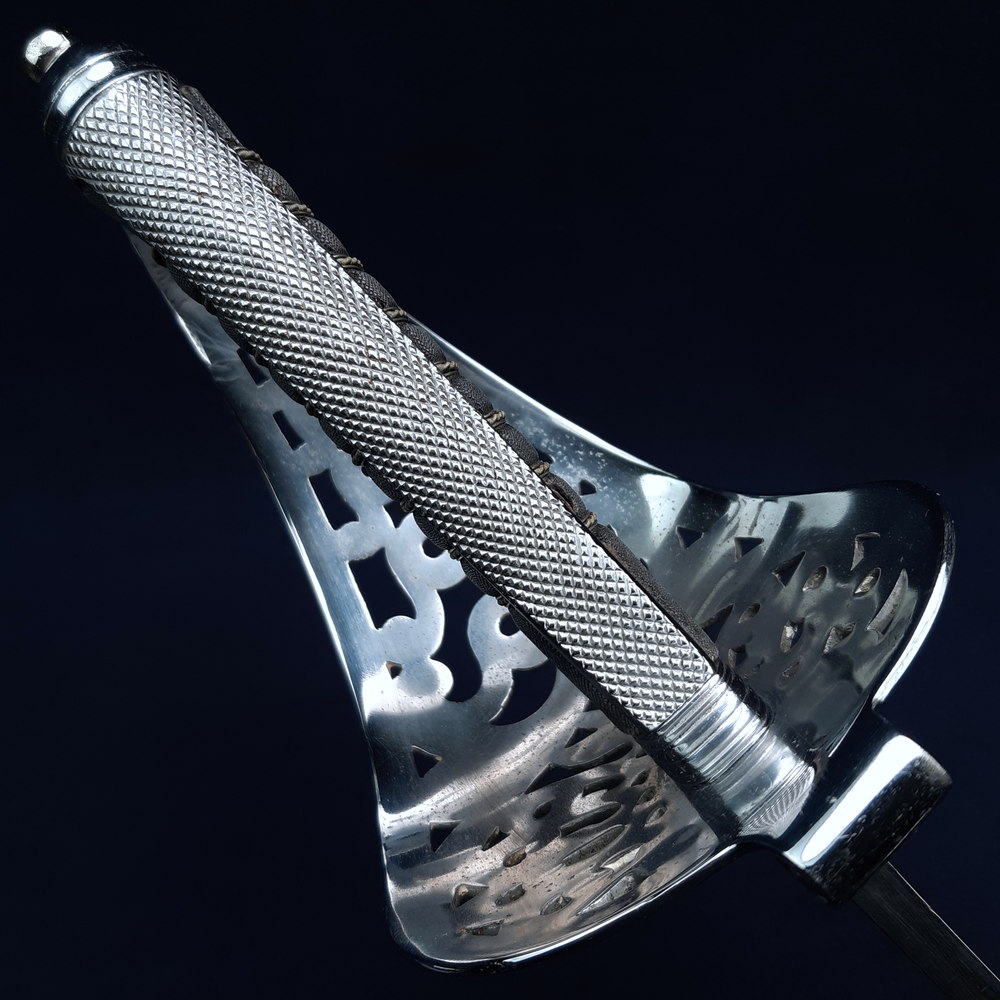
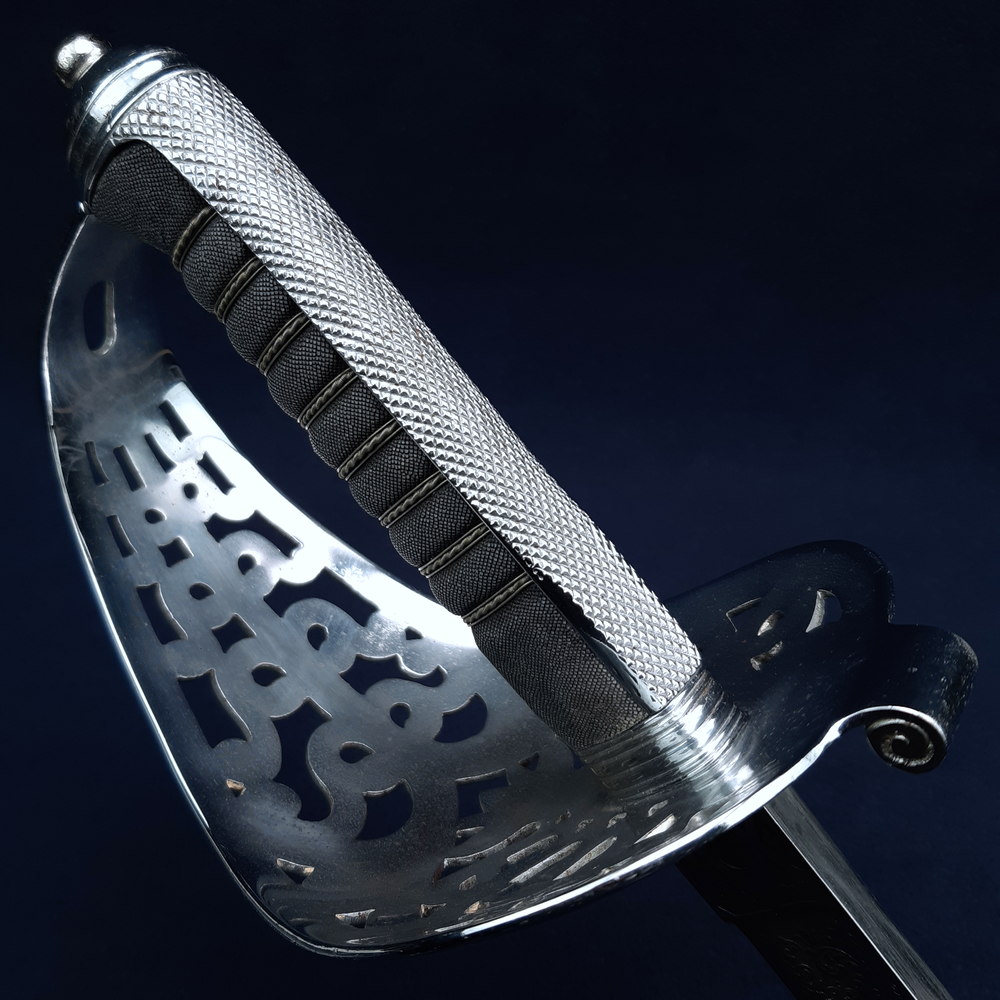
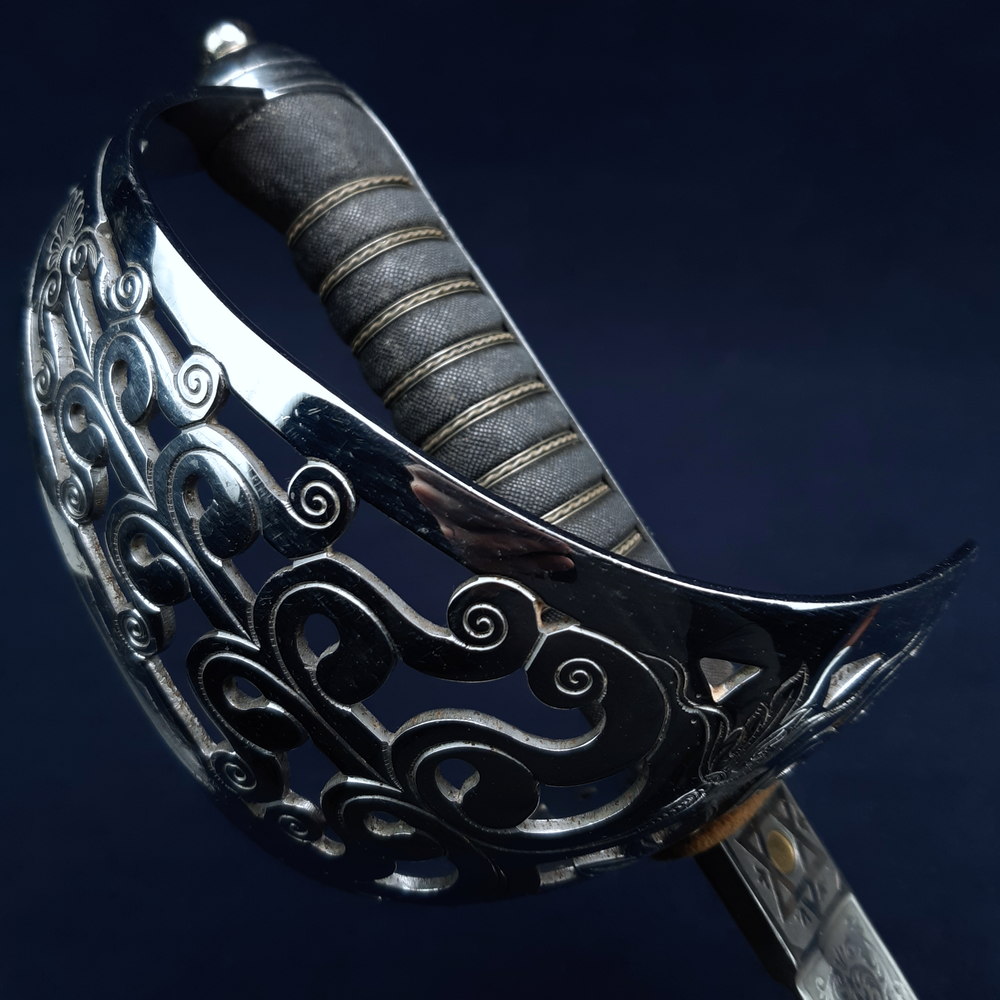
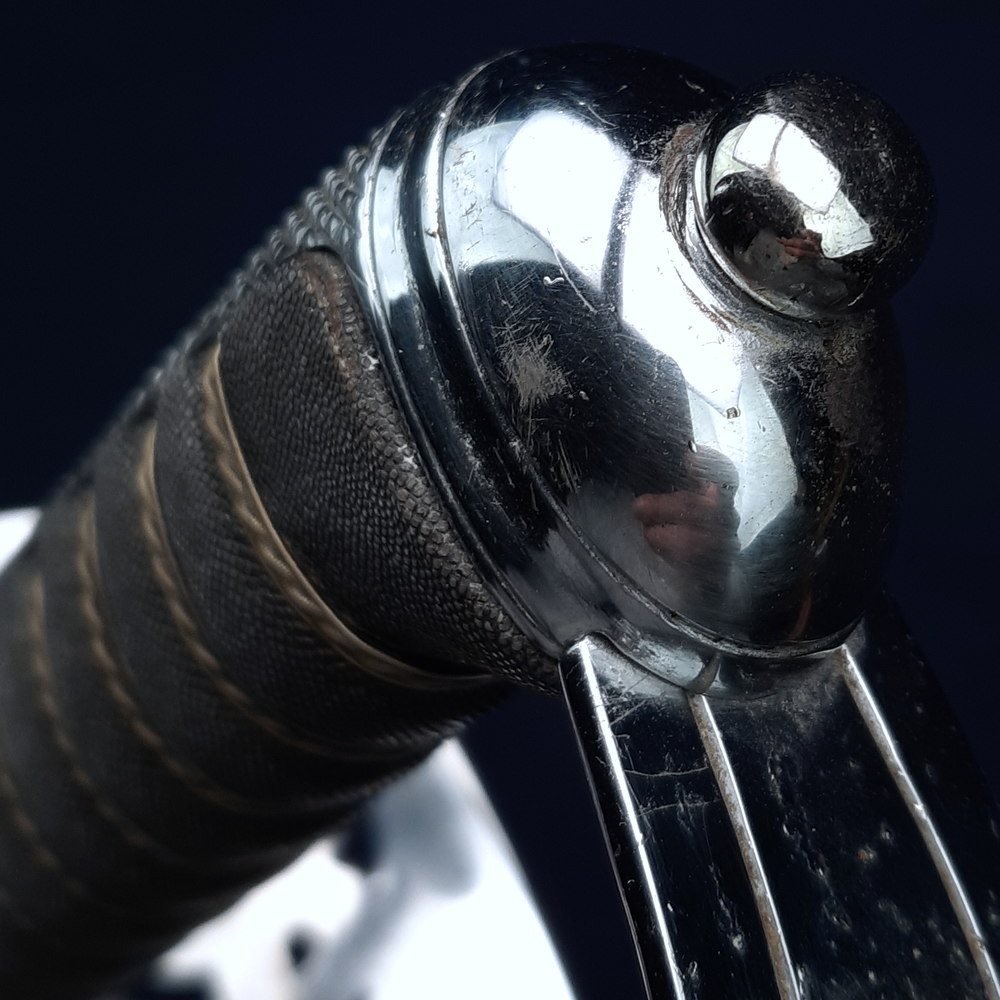
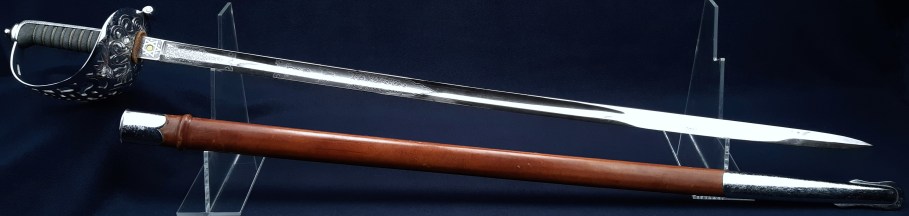
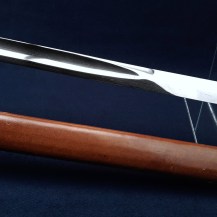
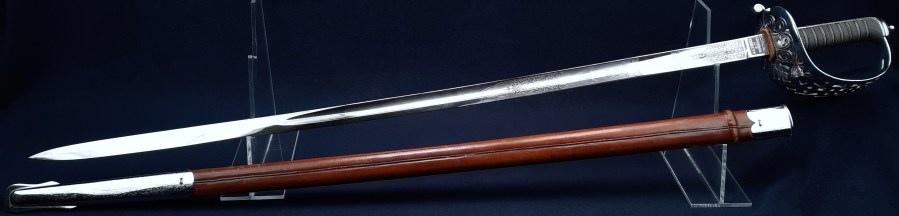
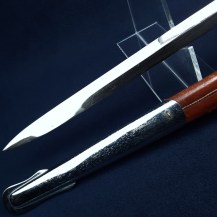
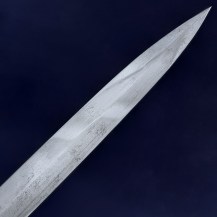
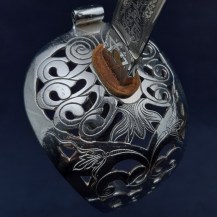
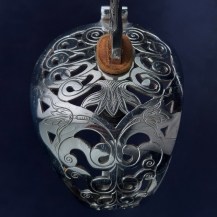
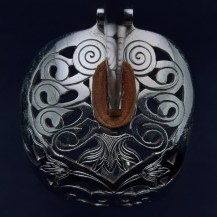
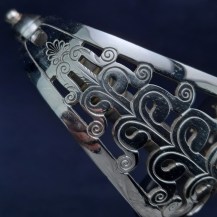
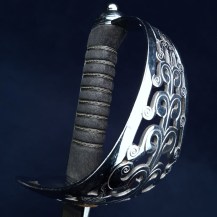
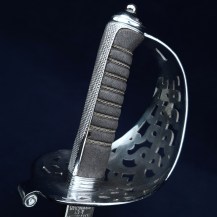
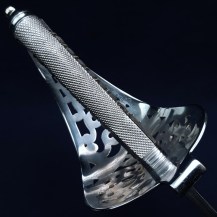
Slightly curved, single fullered blade with spear point, basket guard with pierced foliate ‘honeysuckle’ decoration, brown leather washer, wire-bound shagreen grip, chequered steel backstrap and integral smooth oval pommel cap with tang button. Brown leather scabbard with wood core, steel throat and chape pieces. Blade 36 inches in length, the sword 42½ inches overall.
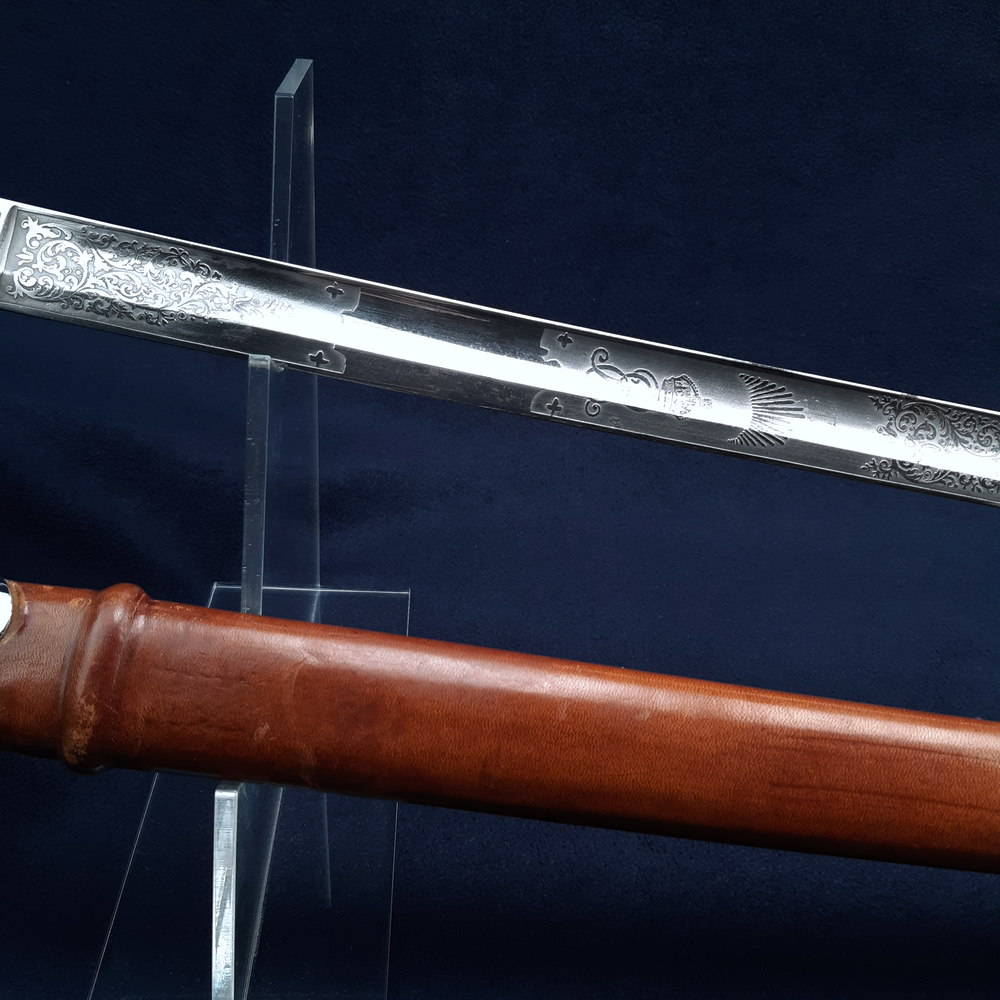
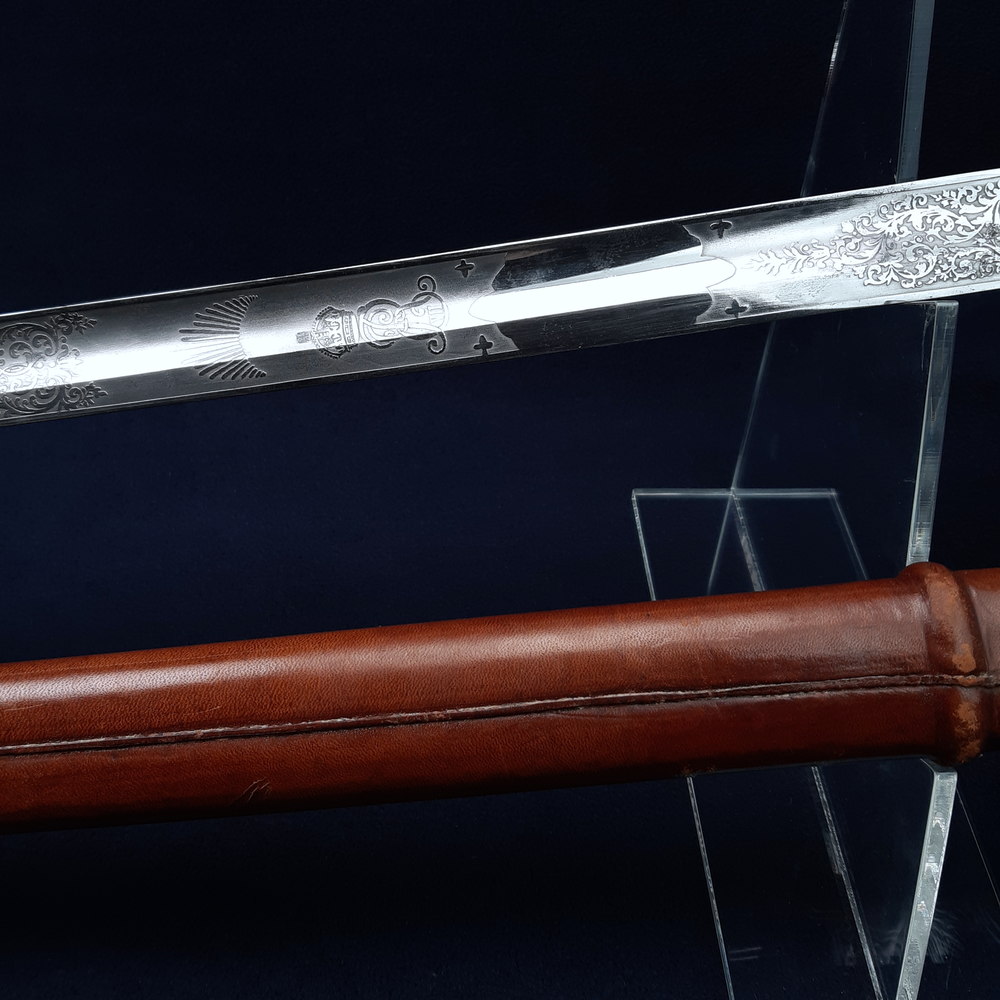
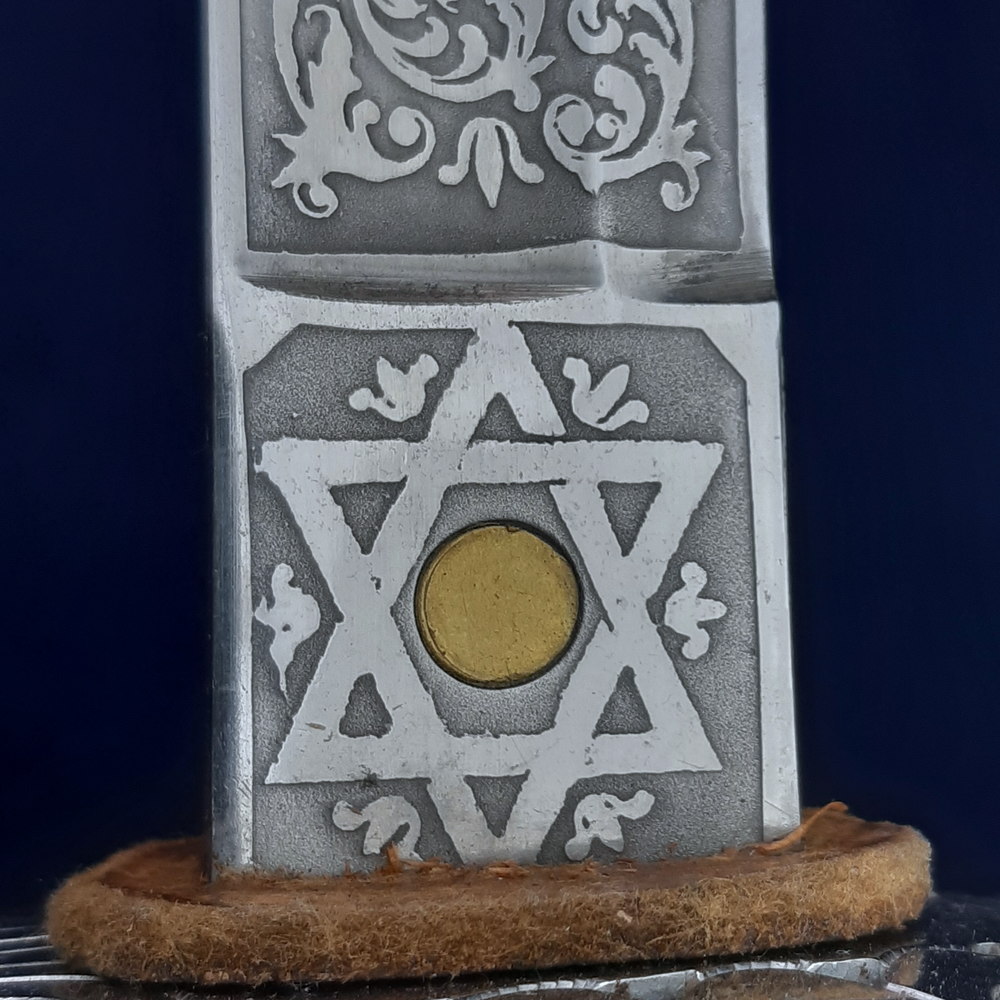
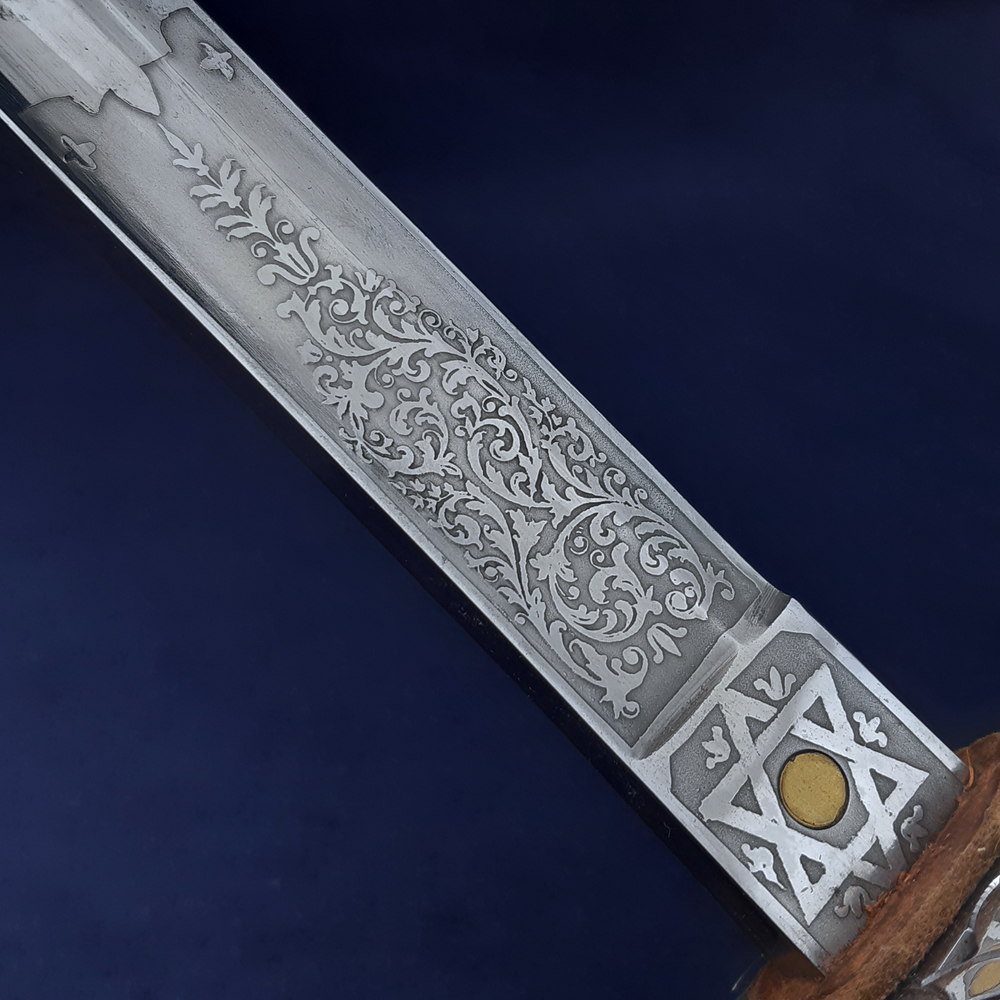
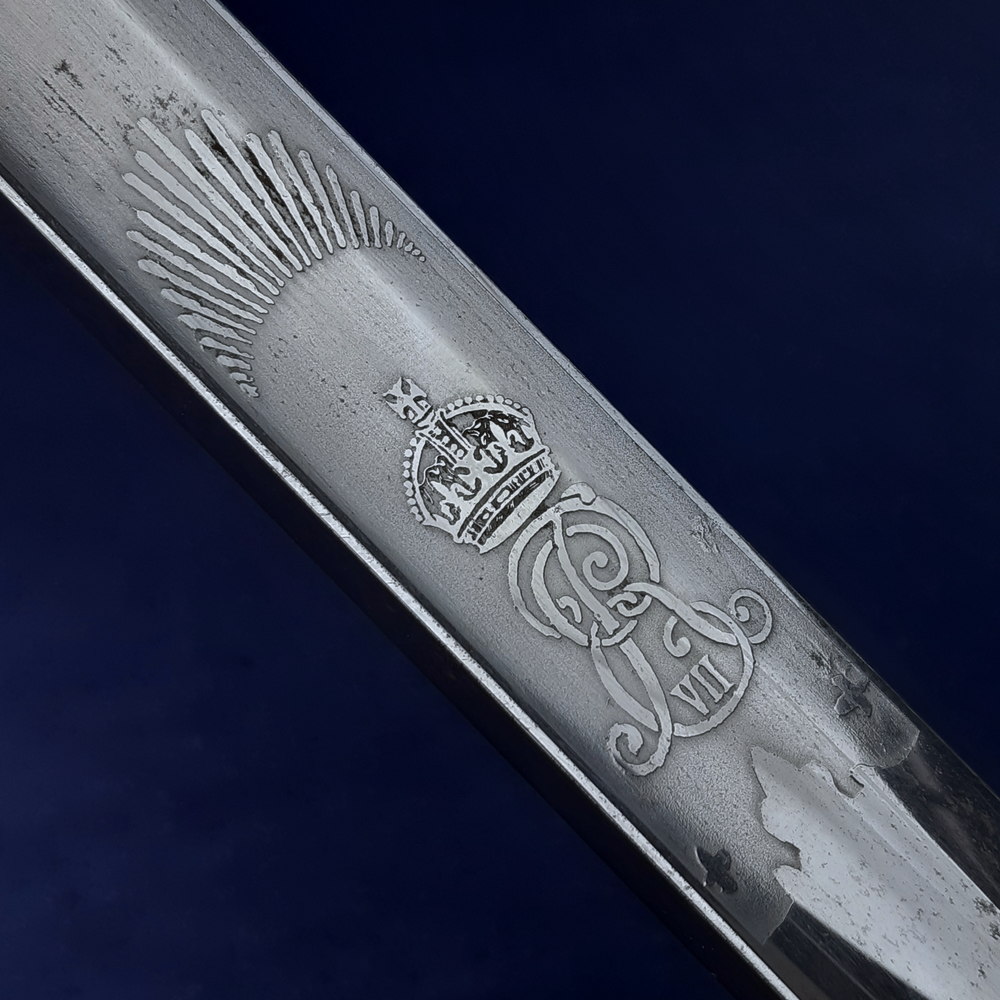
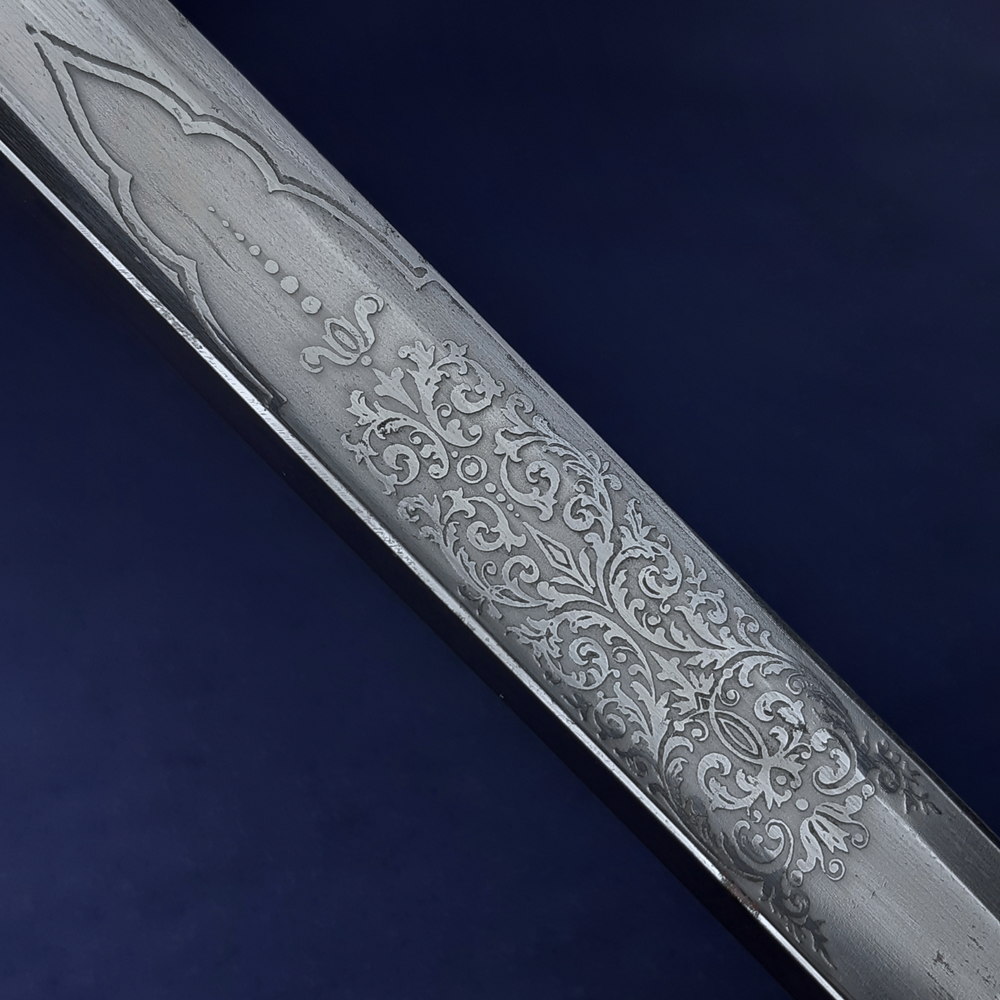
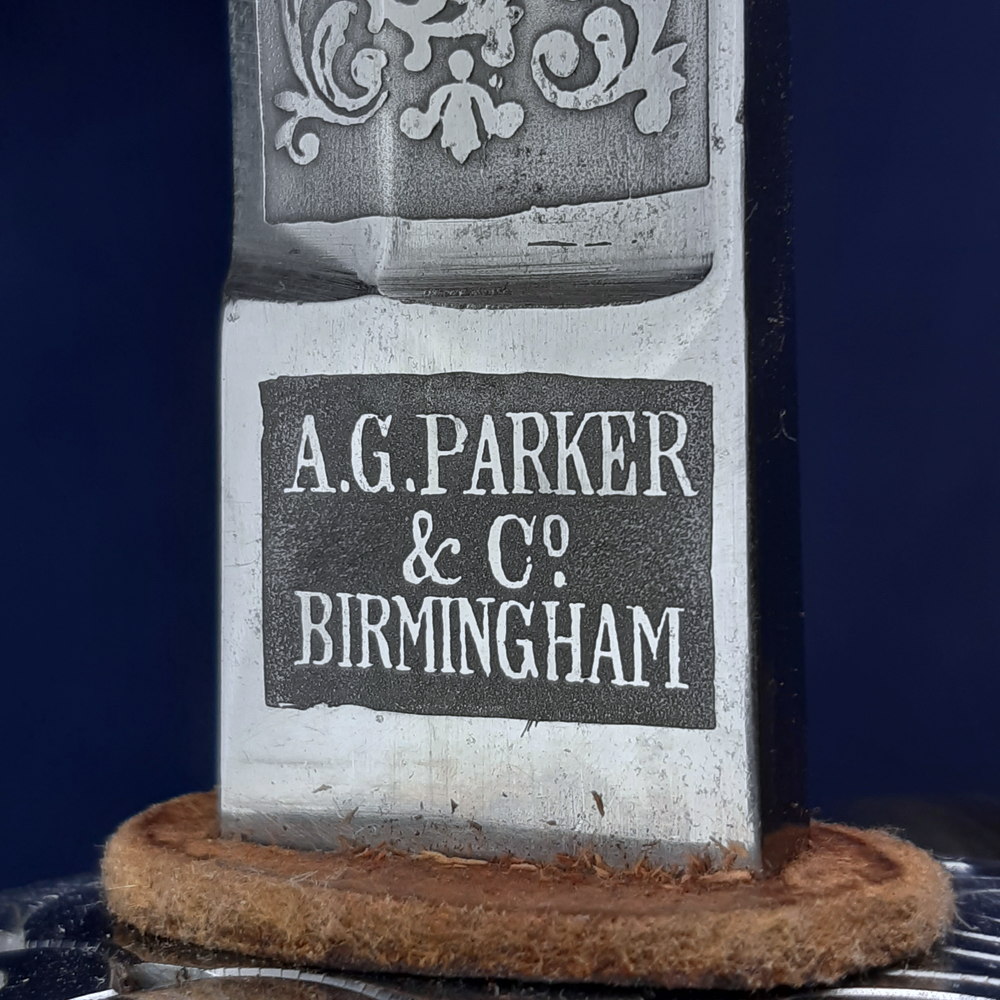
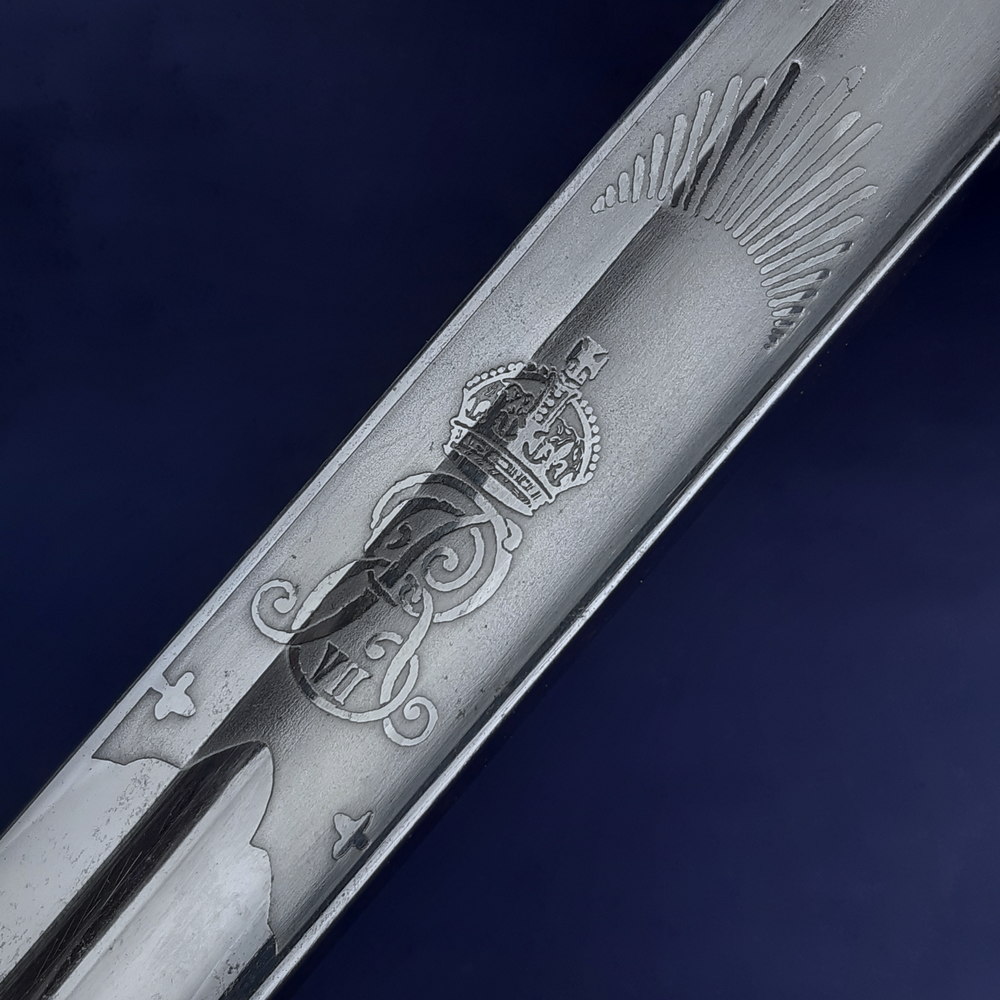
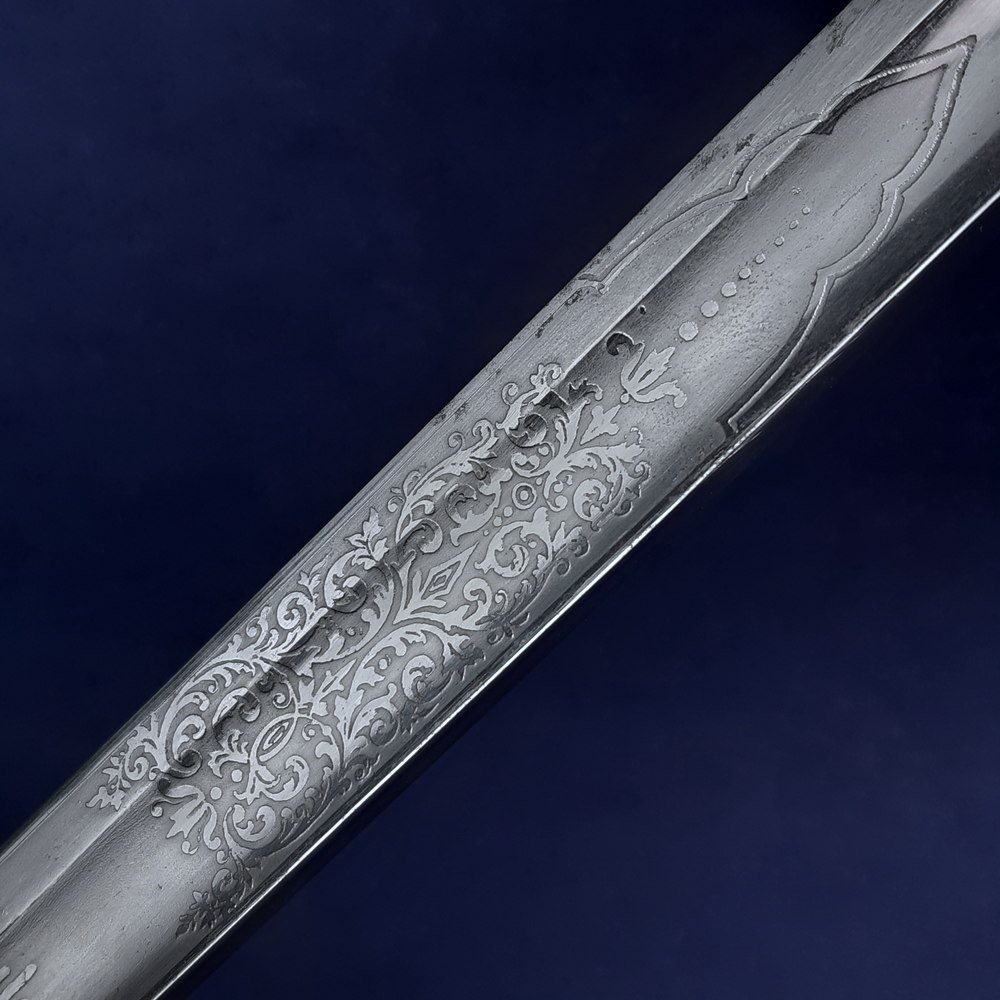
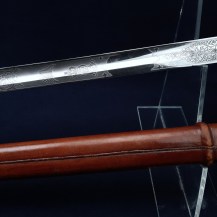
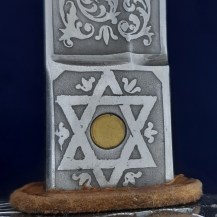
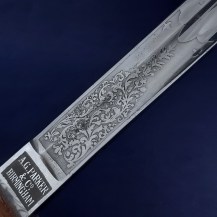
The blade is set at the ricasso on one side with a blank brass proof slug, the slug surrounded by an etched six-pointed star. The ricasso of the other side is etched with the retailer’s name ‘A. G PARKER & CO. BIRMINGHAM’ within a square cartouche. The blade is further etched identically on both sides with the crown and cypher of King Edward VII and foliate motifs.
Founded in 1880 by Colour-Sergeant Alfred Gray Parker of the 1st Volunteer Battalion, Royal Warwickshire Regiment, the firm of A. G. Parker was a supplier of shooting equipment. It traded on Icknield Street in the Gun Quarter of Birmingham, producing training rifles, conversion systems, sights, and accessories for military and civilian target shooters.
The firm’s name is first noted in connection with swords after 1900, a year in which Parker’s nephew Arthur T. C. Hale joined as a partner in the business. Like many military outfitters Parker would have ordered its swords from a manufacturer, with their own branding added to the blades. Parker moved premises to the ‘Bisley Works’ on Whittall Street in 1912.
Parker died in 1915 making Hale the head of the company, which expanded rapidly during WW1. The company was officially renamed Parker-Hale around 1930, a major supplier of firearms, airguns, sights, and shooting accessories. Parker-Hale was purchased by Modular Industries in 1990. Its gun designs and tooling went to Gibbs Rifle Co. in the US while its gun-care and accessory products are still sold under the Parker-Hale brand today.
I have seen swords bearing Parker’s mark with Edward VII and George V cyphers only, suggesting it did not retail any in the Victorian period (pre-1901) but continued until at least 1910 (the start of George’s reign). It must have stopped before 1930 as there are no known ‘Parker-Hale’ marked swords. I suspect that swords were a minor sideline for the company run for only a few years, as they are not commonly seen today. Perhaps their core business grew large enough to drop the sideline, or WW1 may have been the endpoint as it would have forced the company to focus on military contracts. There are collectors out there for Parker-Hale guns: perhaps they would like to diversify into their swords as well?
The 1821 Pattern sword for heavy cavalry officers drew inspiration from its predecessor the 1796 Pattern, with a similar ornately pierced guard. The earliest version had an unfullered pipeback blade with quill point, this was replaced in 1845 with the fullered, spear-pointed ‘Wilkinson’ blade.
In 1896 two important changes took place: first, the 1821 Heavy Cavalry Pattern was henceforth to be carried by all cavalry officers, both Light and Heavy, and second, the backstrap of the 1821 was slightly redesigned, going from a curved, partly chequered form to a straight and fully chequered form, with a flat squared thumb rest next to the hilt. This was a design element borrowed from the 1895 Pattern infantry officer’s sword, intended to improve grip and handling.
This last version of the 1821 Pattern was replaced by the 1912 Pattern cavalry officer’s sword which remains in use to this day, although some officers preferred the old design and there are records of the 1821 being carried by choice into combat in WW1.
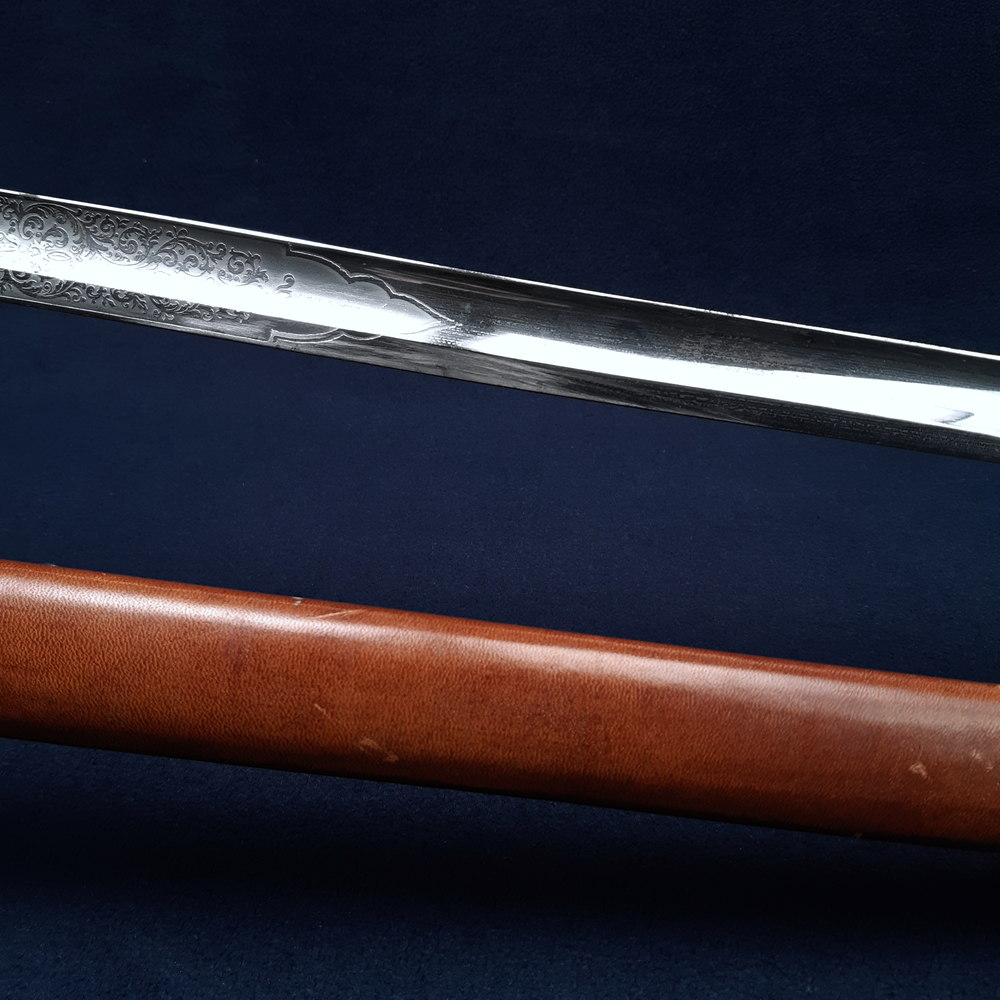
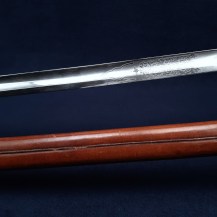
All metal parts of the sword have been nickel plated, this plating is in good condition. The sword is firm in the hand and solidly peened with no movement to any parts, the blade rings when struck. The blade is bright and clean with a mirror polish to the tip section and any bright areas within the etching, light frosting in places. The etching of the blade is excellent retaining its crispness and strong contrast between the matt acid-etched background and the mirror-bright lands. The shagreen of the grip is good with some small spots of scale loss next to the backstrap on one side and light handling wear. The wire binding of the grip is all intact and tight. The scabbard fittings are likewise plated, with some scratches and wear to the plating. The leather of the scabbard has some small spots of abrasion, all of its stitching in intact.
