

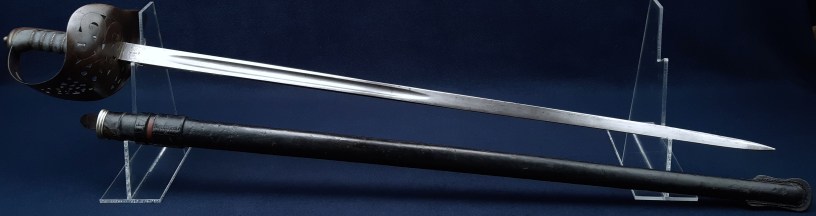
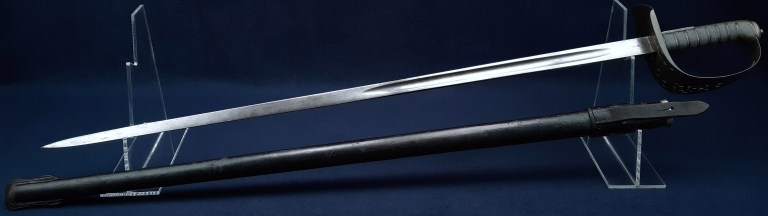
British Victorian 1898 Pattern Infantry Staff Sergeant’s Sword, Army Ordnance Corps, Dated 1901 by Wilkinson
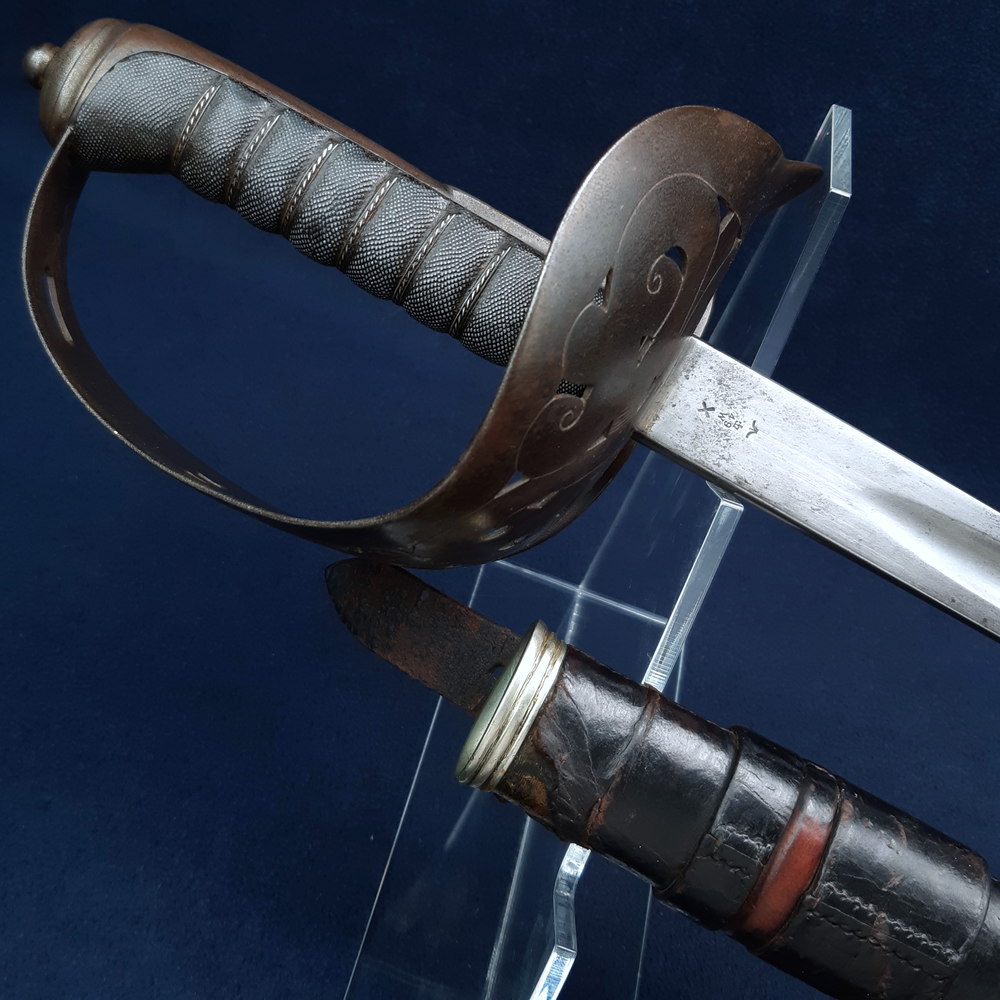
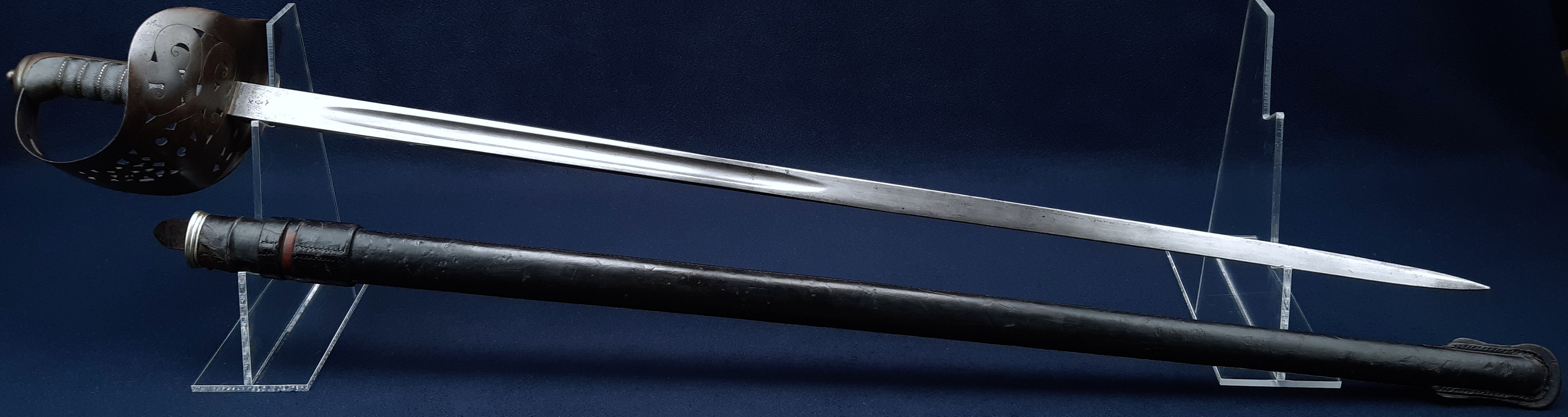
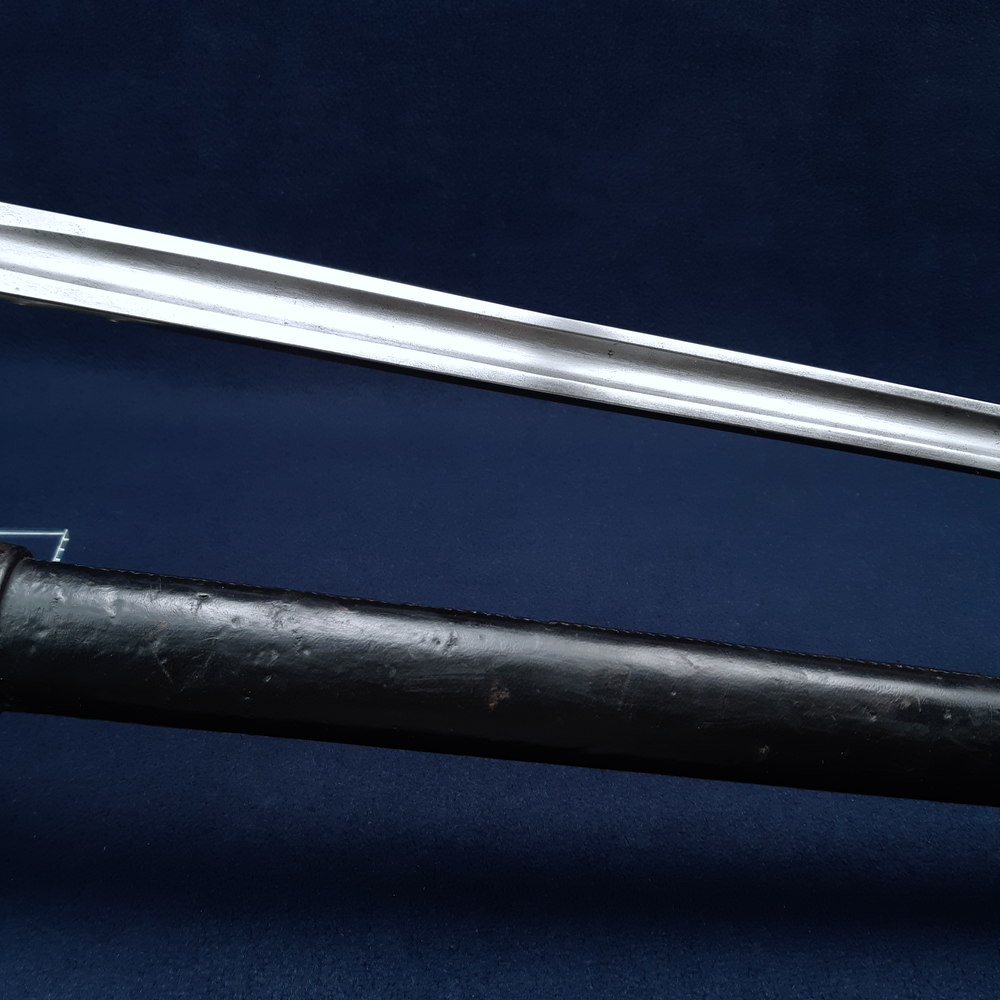
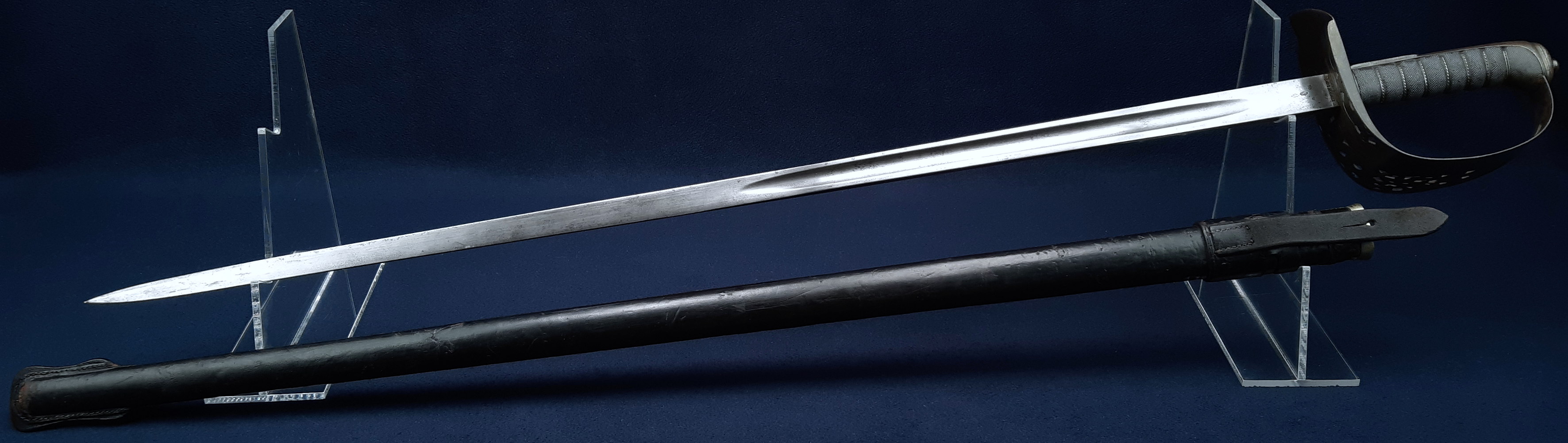
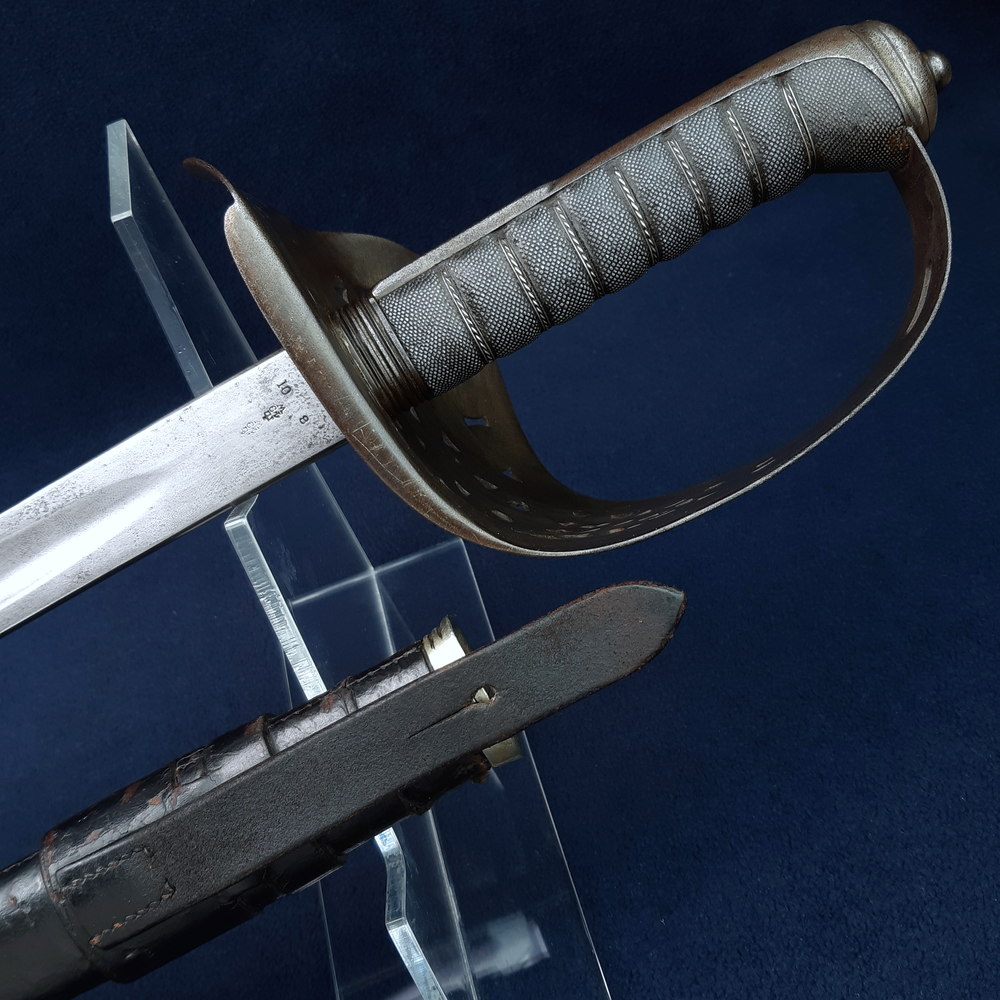
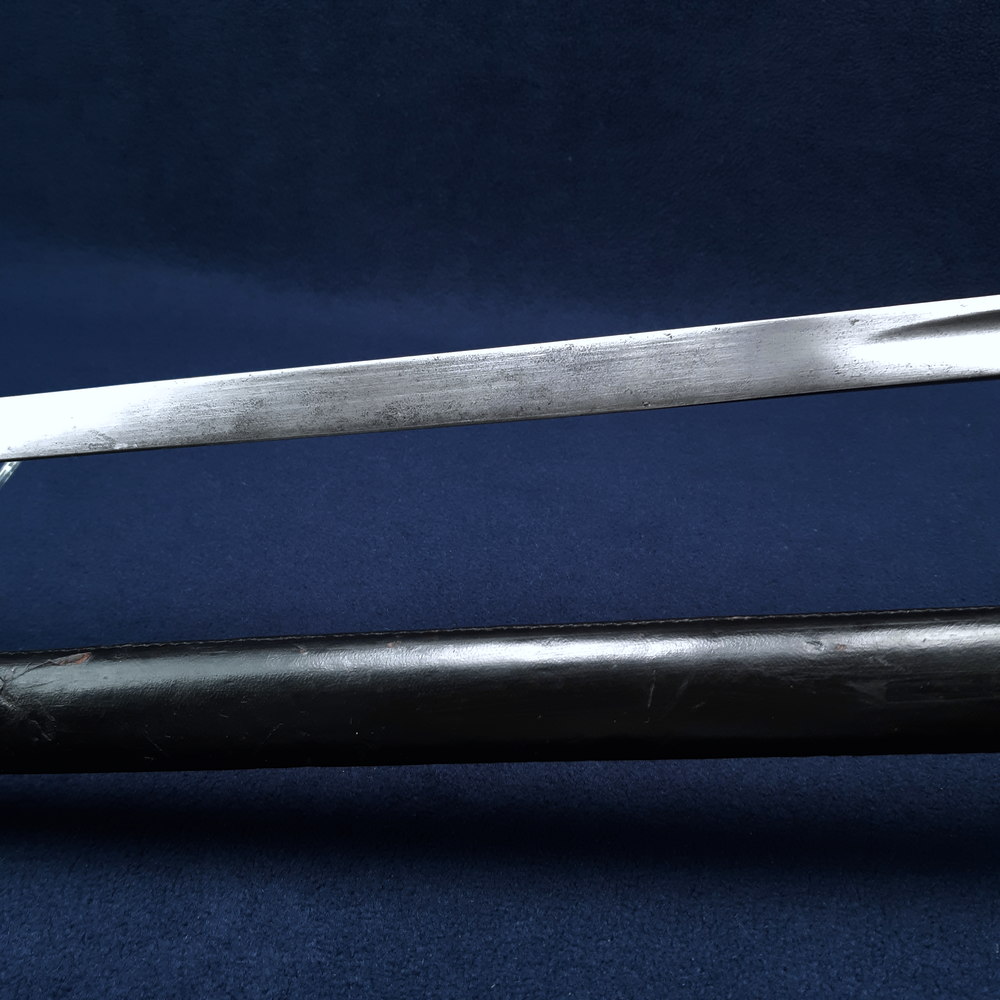
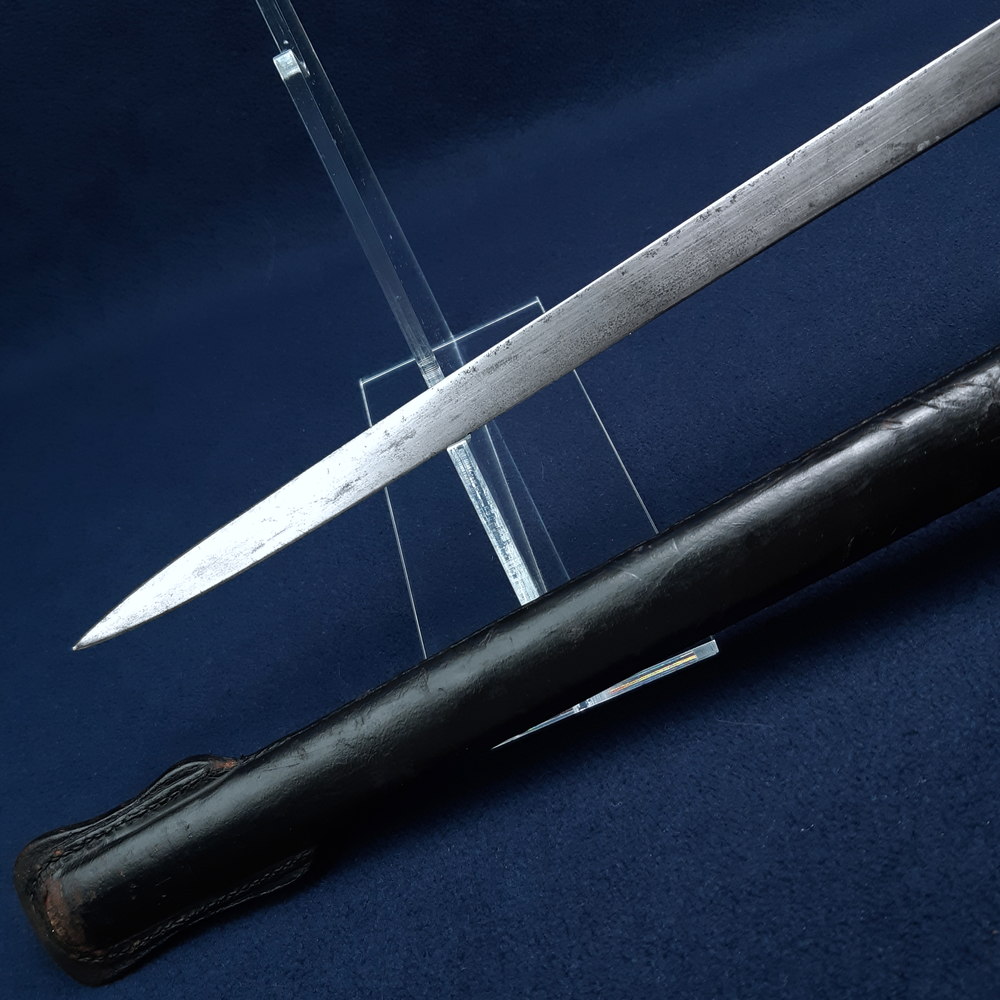
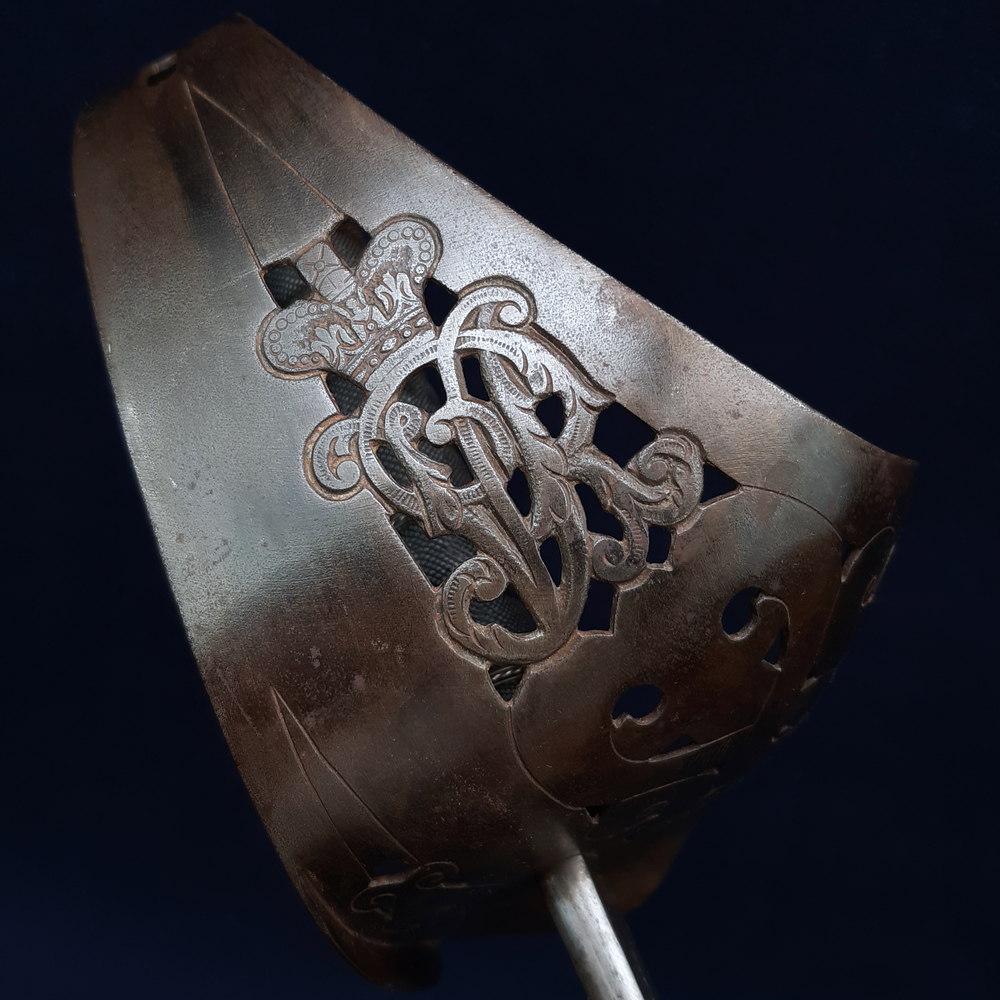
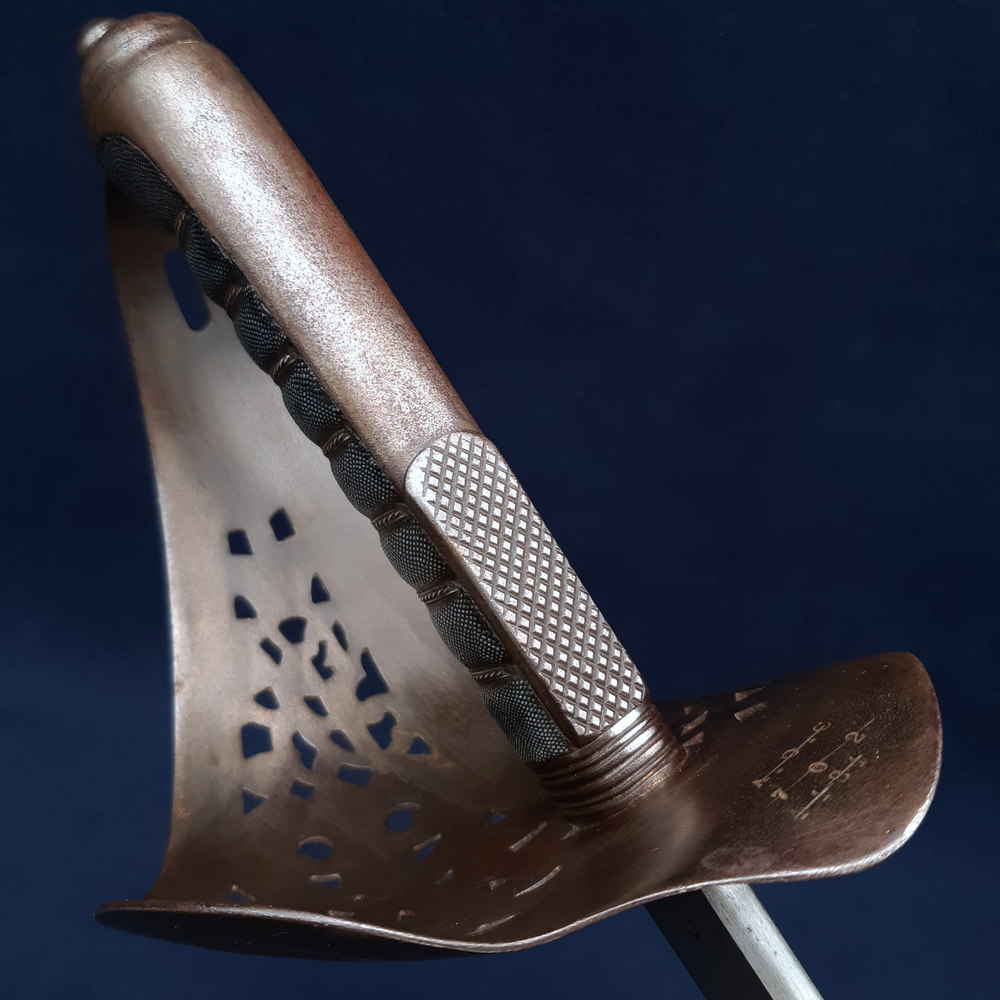
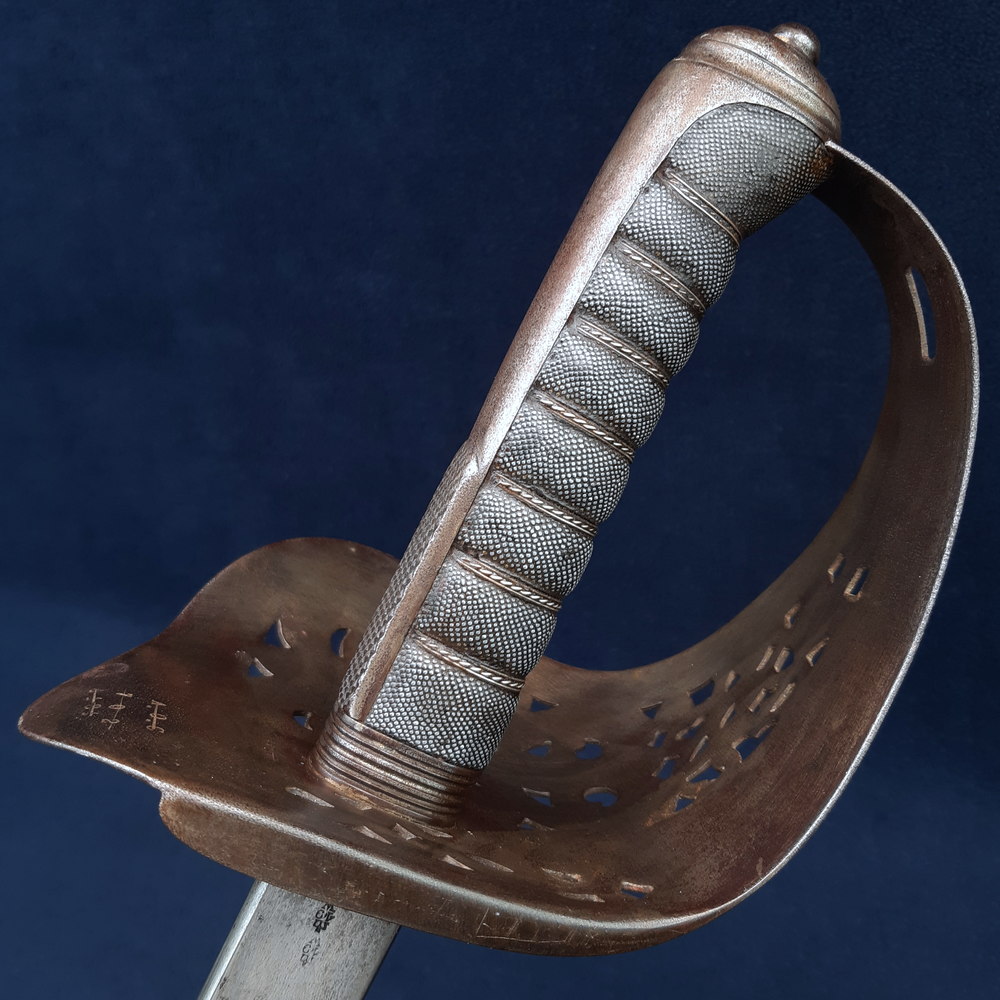
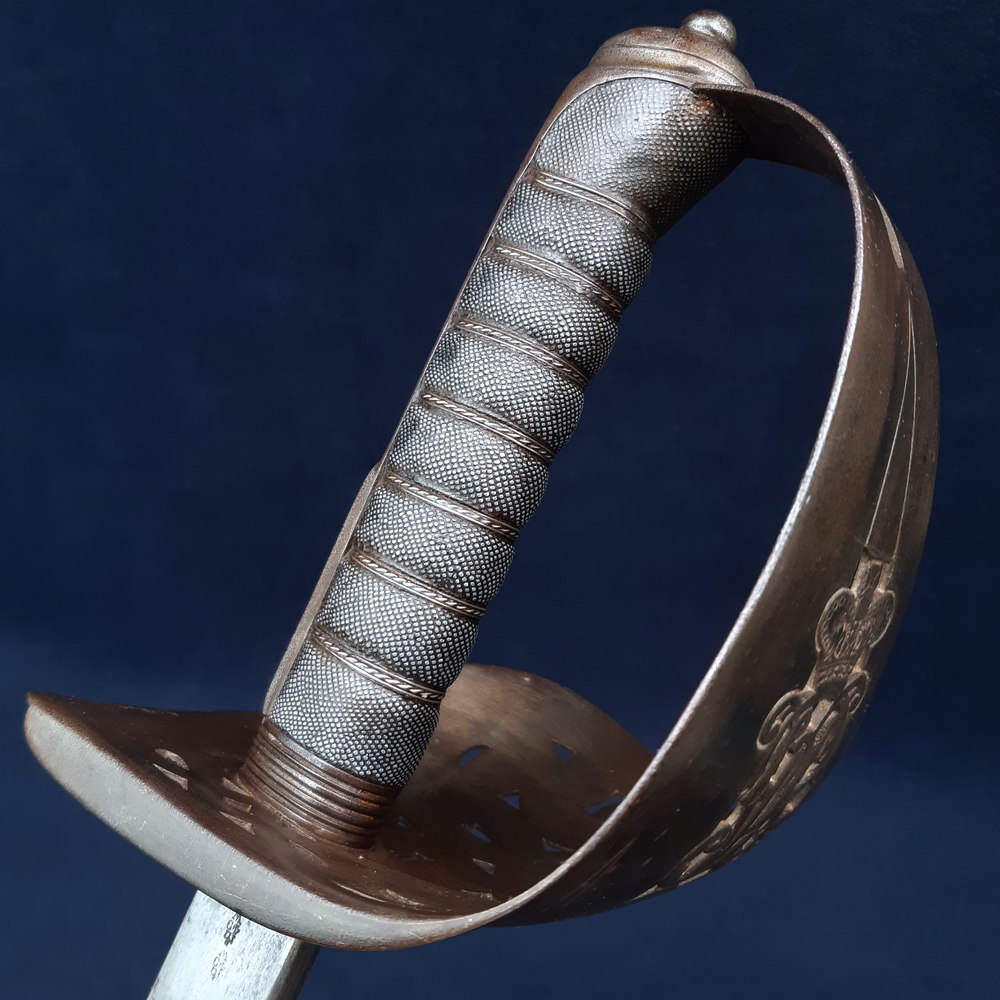
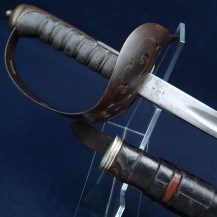
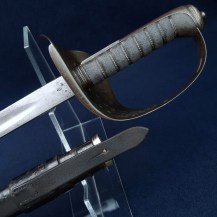
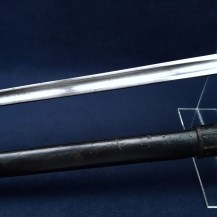
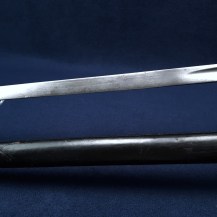
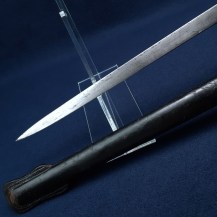
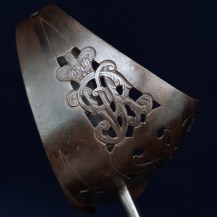
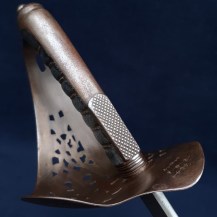
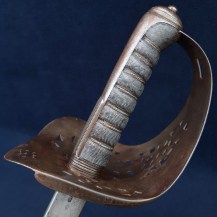
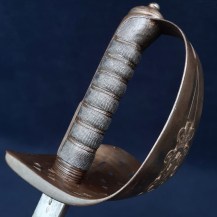
Single-fullered straight blade with spear point, steel hilt with pierced decoration including crown and royal cypher of Queen Victoria. Steel backstrap with chequered thumb rest and integral pommel, black shagreen grip bound with wire. No washer. Black leather field scabbard with frog strap and white metal throat piece. Blade 32½ inches in length, the sword 39 inches overall.
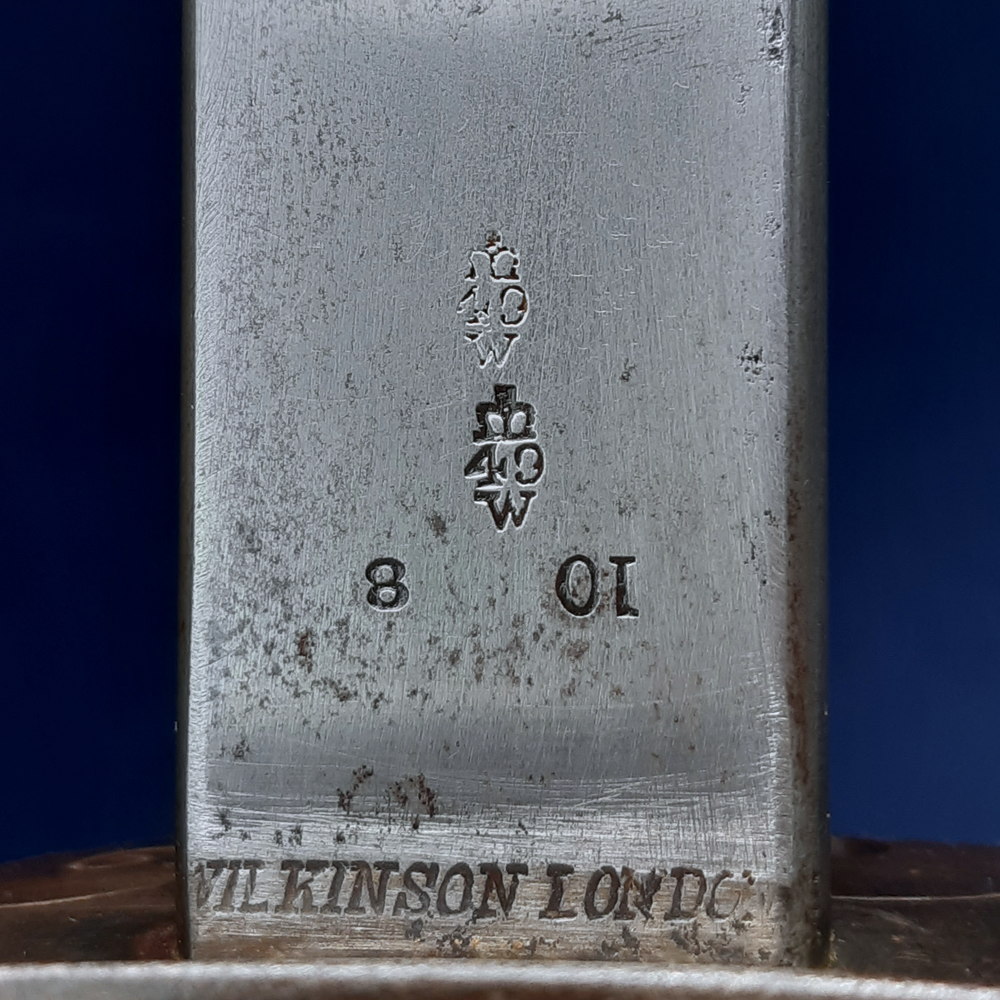
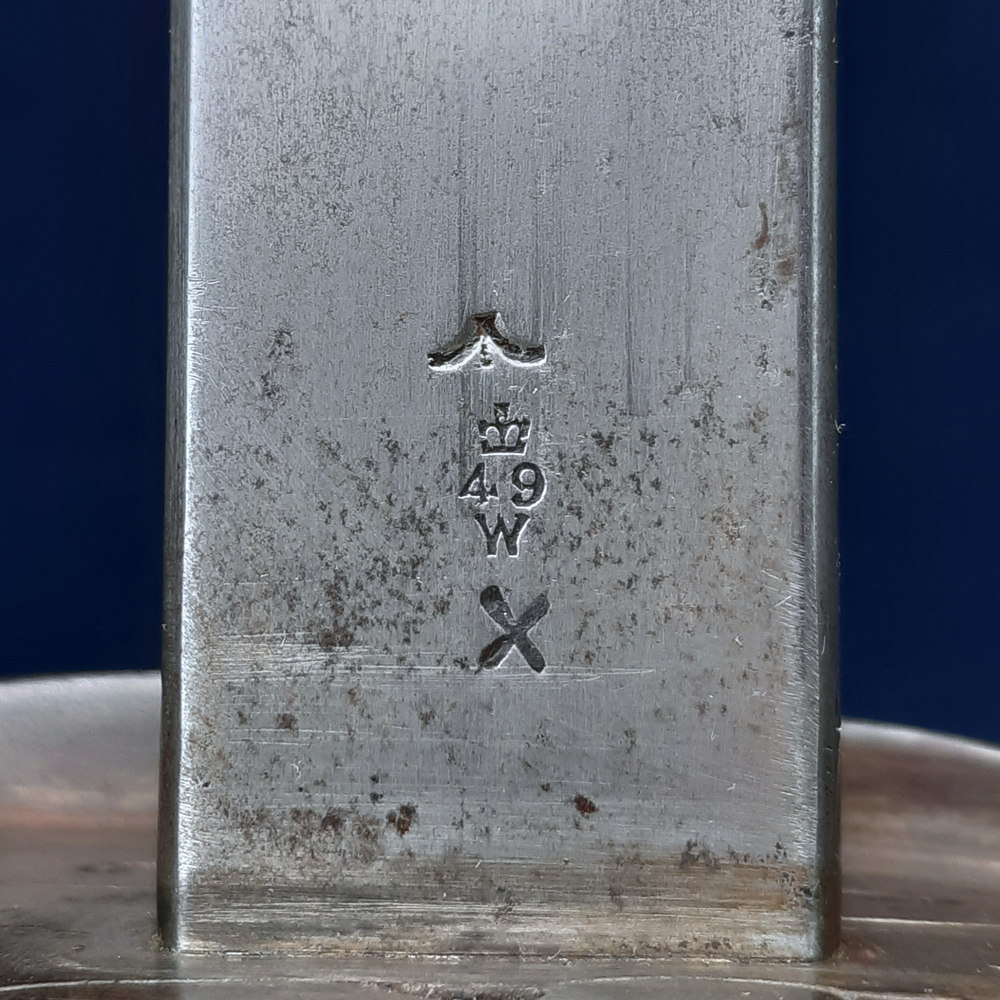
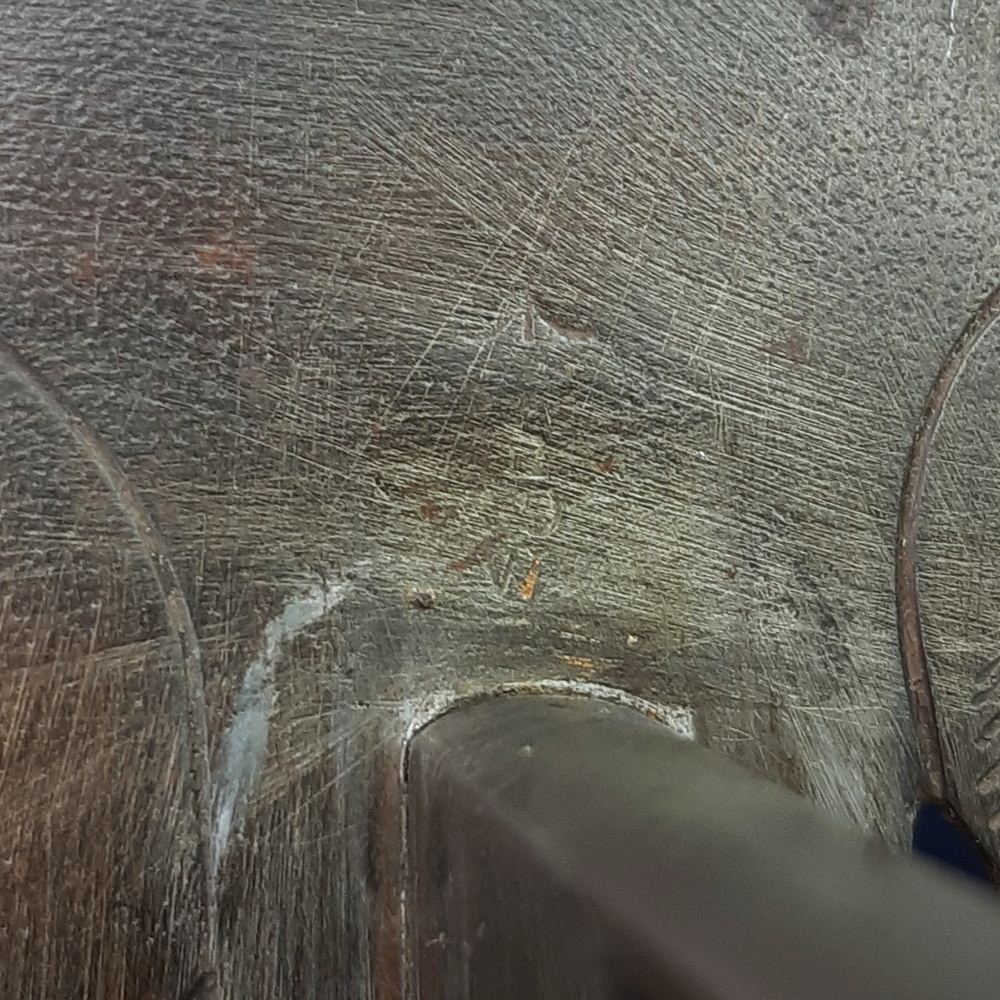
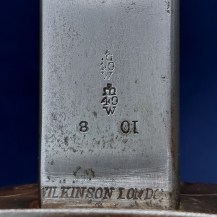
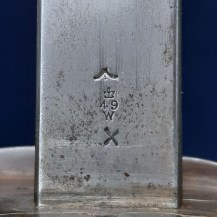
The blade is stamped at the ricasso on one side with the maker’s mark ‘WILKINSON LONDON’, two crown inspection marks with ‘W’ for Wilkinson, and ‘8 01’, indicating the manufacture date August 1901. It is stamped on the other side with a Broad Arrow indicating War Department property, another crown inspection mark with ‘W’ and an ‘X’ indicating that the blade passed a manufacturer’s bending test. The outside of the hilt is stamped near the base of the blade with another broad arrow and another crown inspection stamp for Wilkinson.
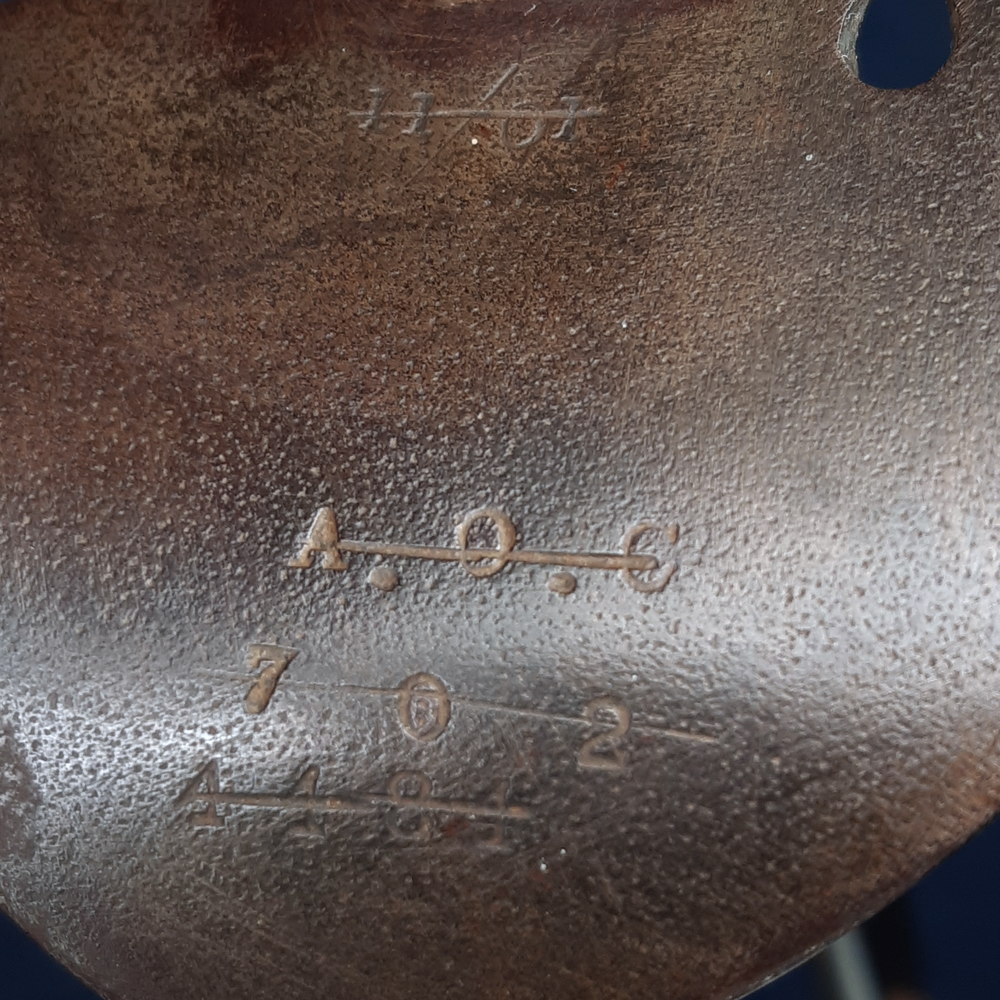
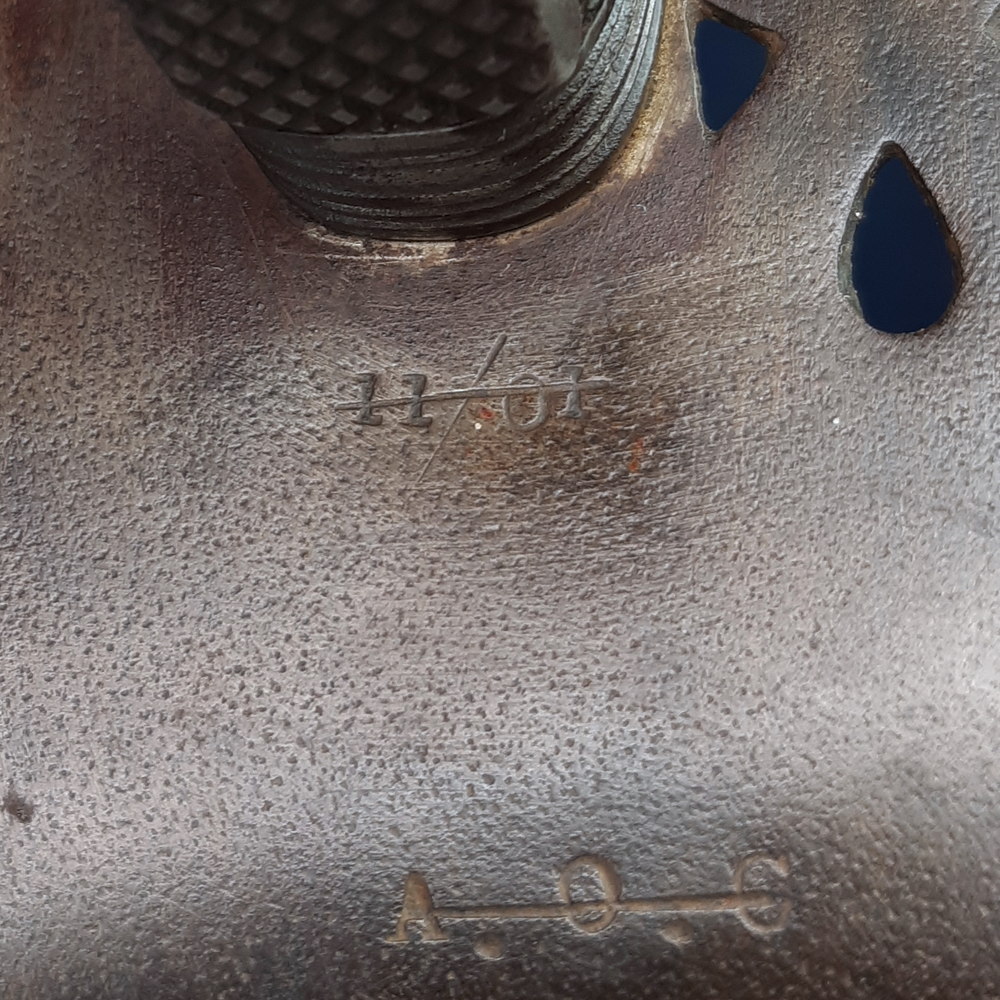
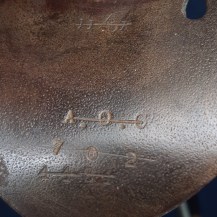
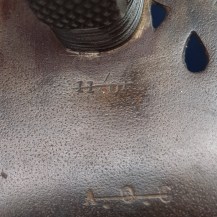
The inside of the hilt is stamped near the edge with ‘A.O.C.’ over ‘702’ over ‘1181’. Near the ferrule it is also stamped with ‘11/01’. These suggests that this sword was issued to the Army Ordnance Corps in November of 1901. All of these marks have been later cancelled with strikethroughs.
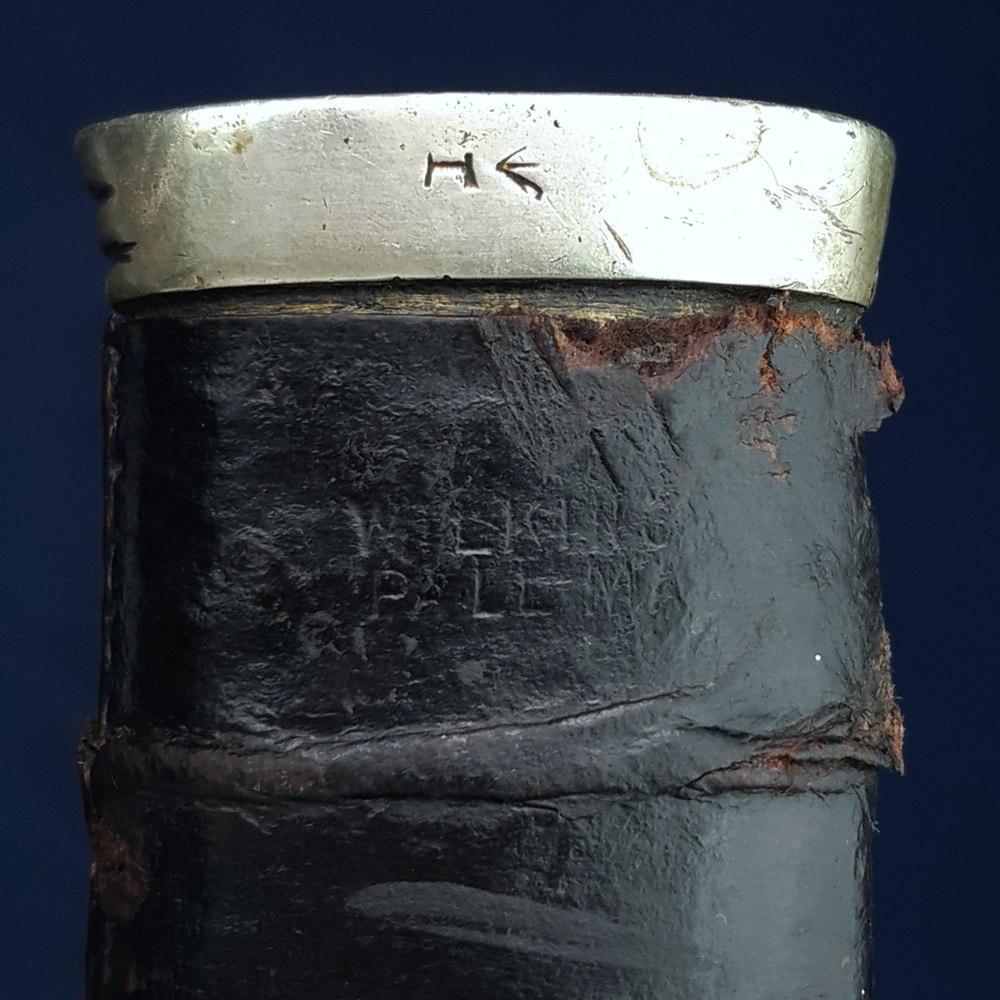
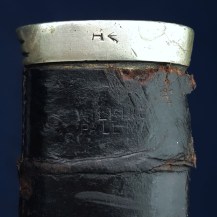
The scabbard leather is stamped near the throat with ‘WILKINSON PALL MALL’. The throat piece is stamped with a broad arrow above the letter ‘I’, which is an Indian stores mark.
British Army sergeants continued to carry swords as a sign of rank even after they were withdrawn from the basic infantryman. Unlike officers, who purchased and owned their own swords, sergeants were issued their swords from regimental stores like a musket or bayonet, and the swords remained government property. Regiments only needed a small stock of sergeants’ swords and would only have disposed of them when obsolete or broken, so the sergeant’s models are rarer than the officer’s today.
A new design of infantry officer’s sword was finalised in 1897, and a near-identical version was introduced for sergeants in the same year, the 1897 Pattern. The blade of this version was criticised as being too light and not stiff enough, and was quickly replaced by this, the 1898 Pattern, a slightly beefier version.
This example was manufactured during the Boer War and would have been one of the last to use the cypher of Queen Victoria – she died in January 1901 and the ‘Pattern 1898 Mark I’ staff sergeant’s sword was introduced in 1902 – this was not a new design, just switching the hilt to the crown and cypher of the new King Edward VII.
The Army Ordnance Corps was the branch of the British Army responsible for procurement, storage, distribution, salvage and repair of weapons, munitions, clothing, and military equipment - not including food, fuel or medical supplies, which were handled by other units. It was created in 1896 from its predecessor the Ordnance Store Corps and its ranks contained specially trained storekeepers, clerks, armourers, artificers and mechanics. In a peculiar arrangement the AOC was entirely formed of enlisted men, while officers performing the same role had their own unit, the Army Ordnance Department.
At the time this sword was issued nine companies of the AOC were deployed in South Africa for the Boer War. There they maintained lines of communication, salvaged equipment from battlefields for repair or reissue, and supplied vast quantities of equipment to the more than 400,000 Empire troops across rugged terrain. Lord Roberts noted that 122 million rounds of small arms ammunition and 2 million pairs of horse and mule shoes had passed through by the time he left South Africa, and he departed only in December 1900: the war as a whole did not end until May 1902.
The AOC and its officer counterpart were amalgamated in 1918, and granted the "Royal" prefix to become the Royal Army Ordnance Corps (RAOC). In 1993 this was amalgamated together with the Army Catering Corps, Royal Corps of Transport, Royal Pioneer Corps, and Royal Engineers Postal Courier Service into the modern Royal Logistic Corps (RLC).
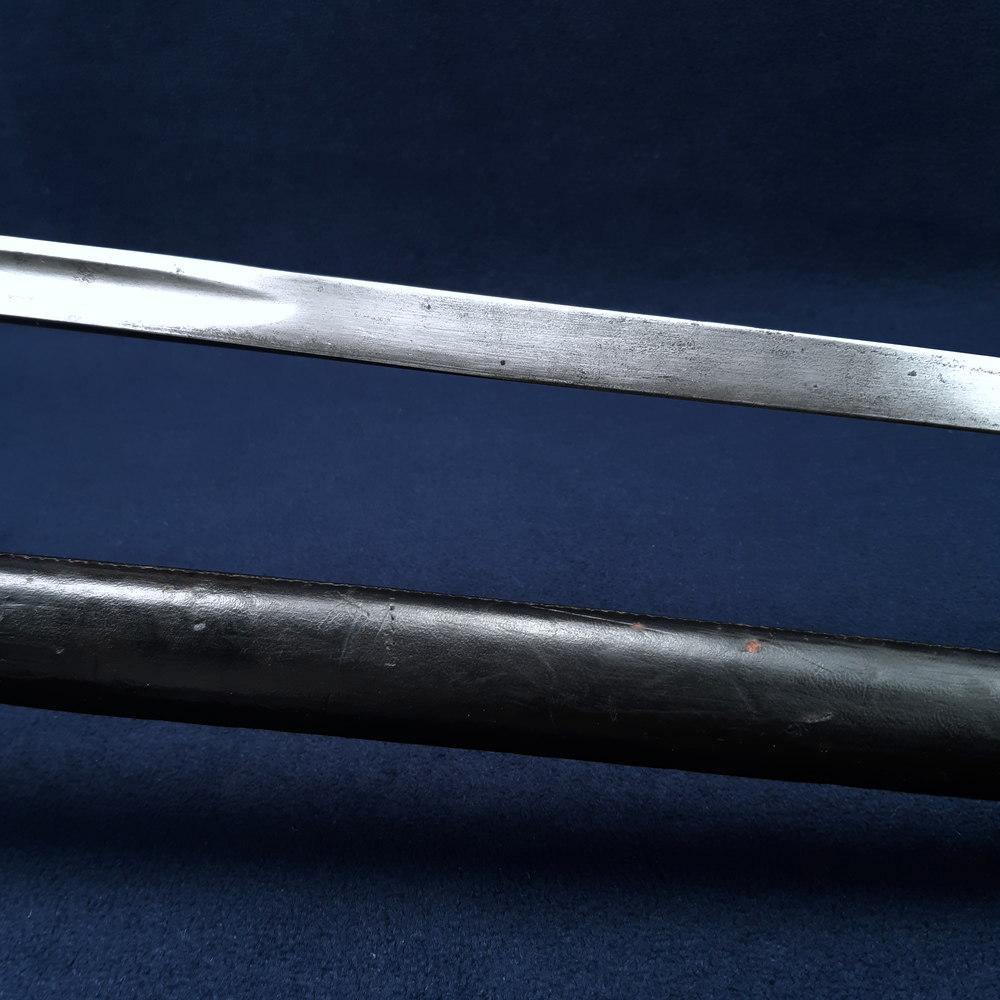
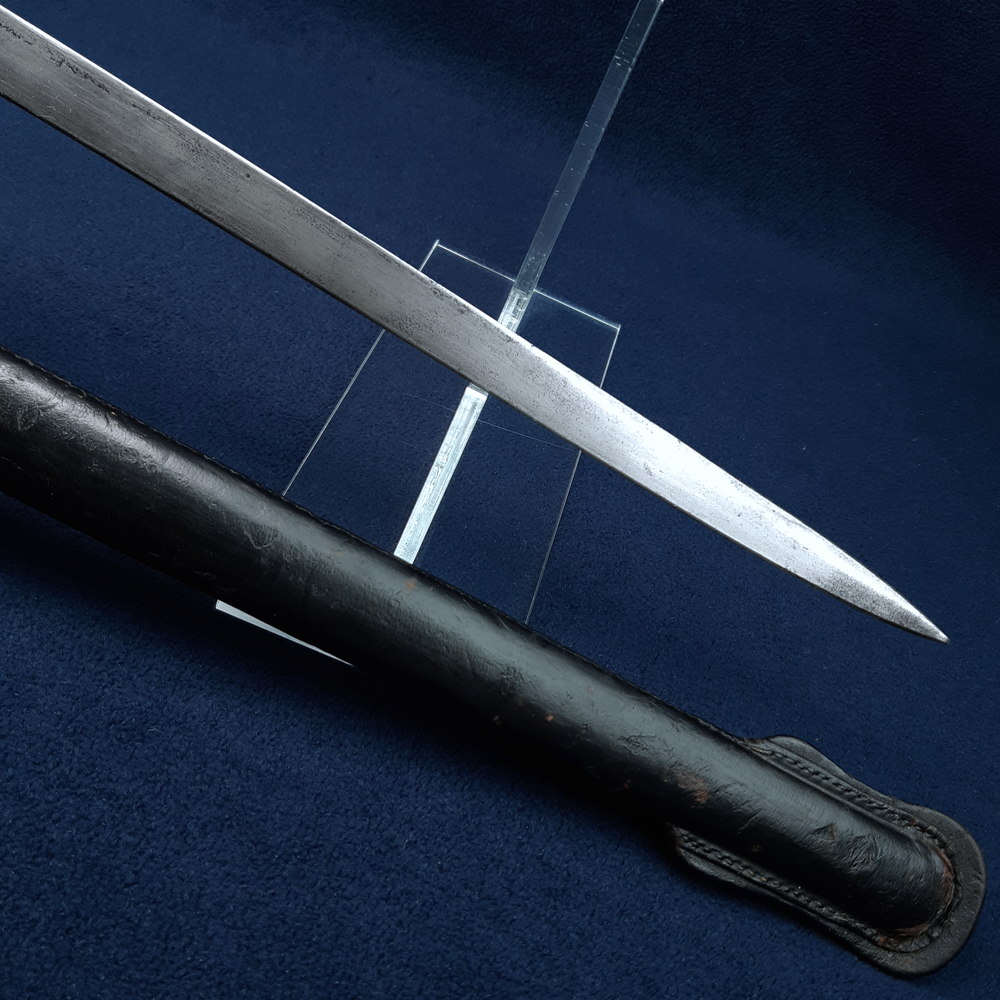
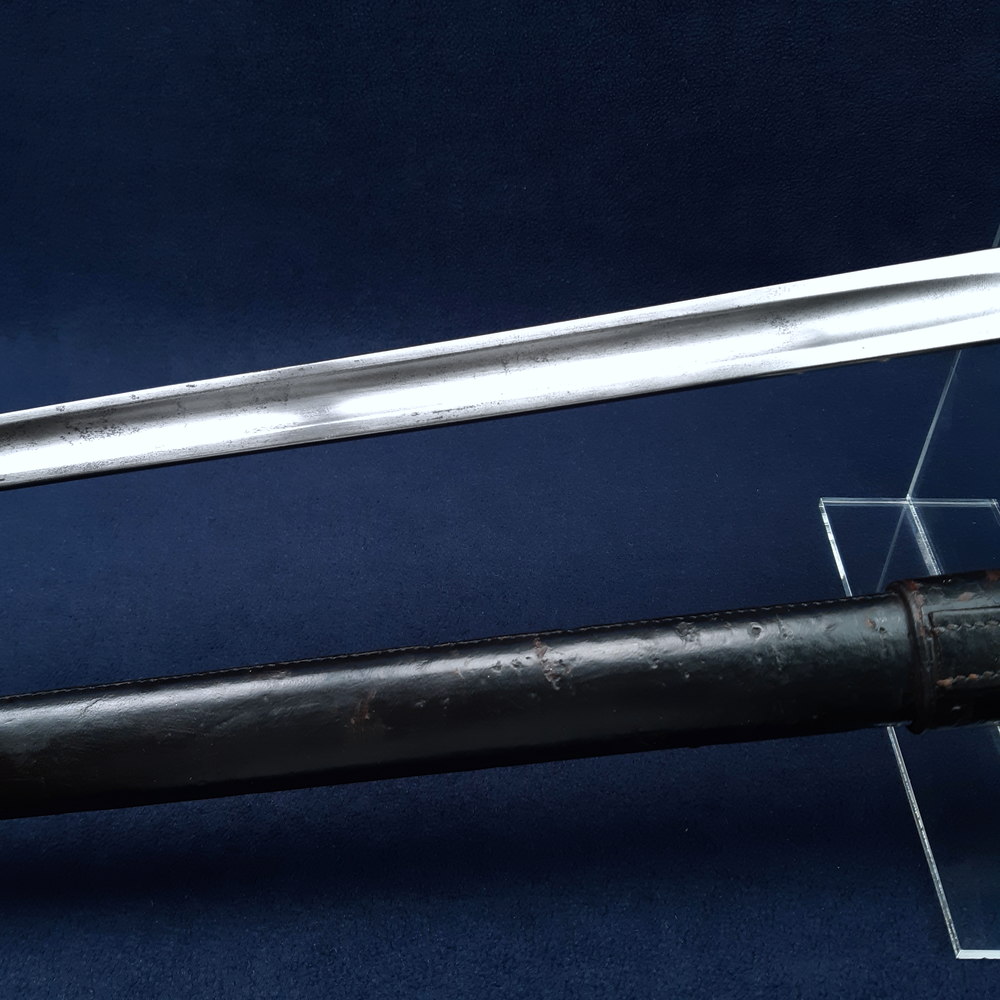
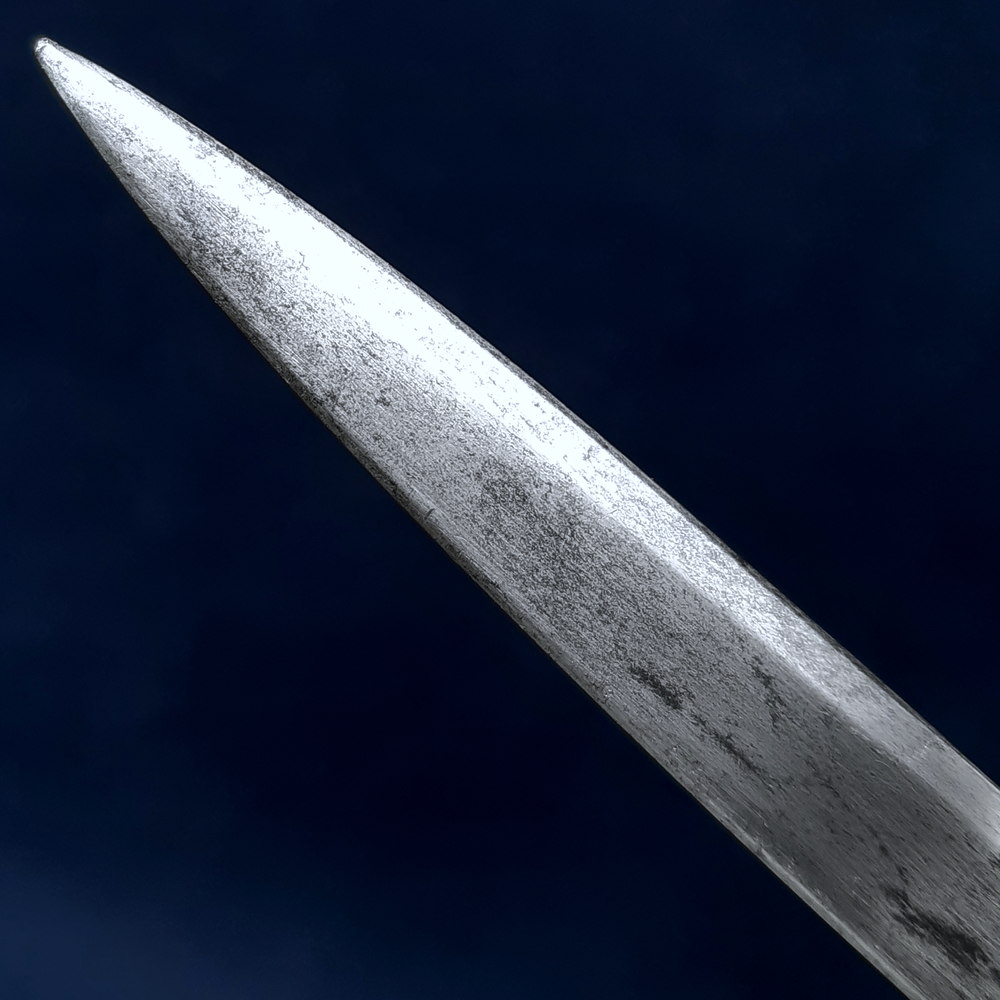
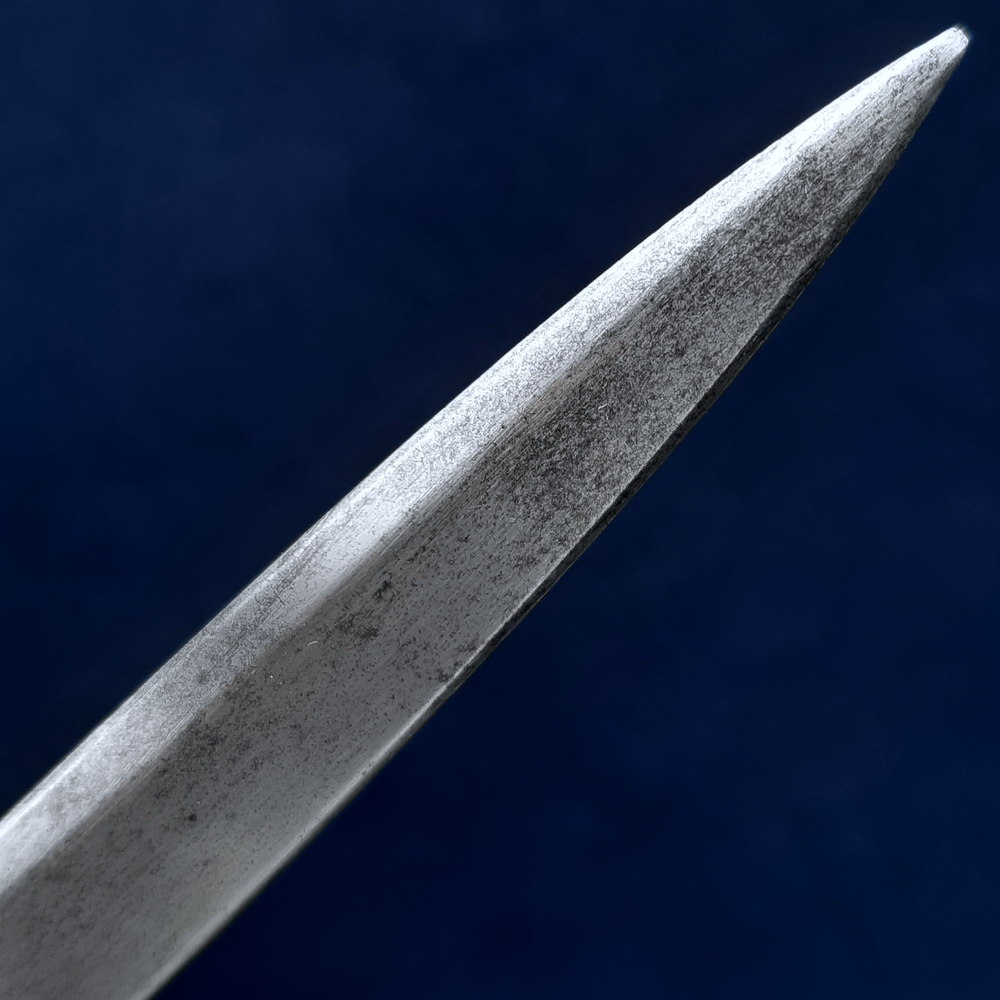
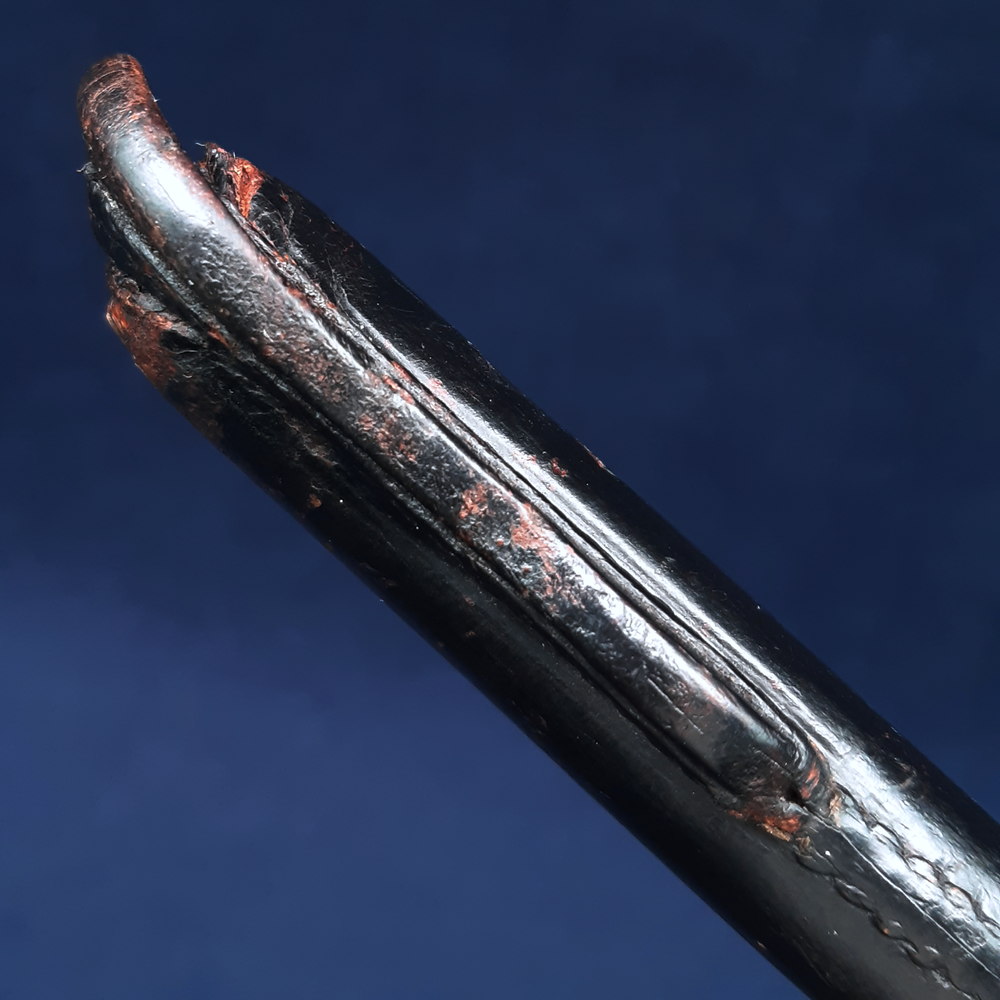
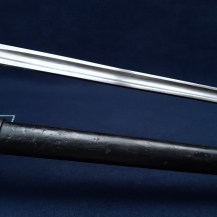
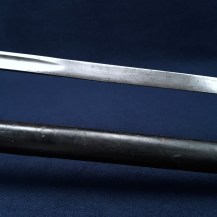
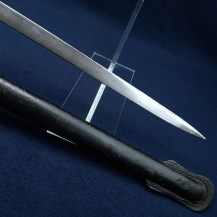
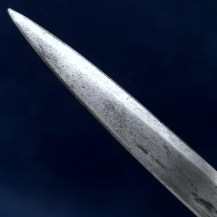
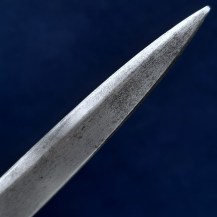
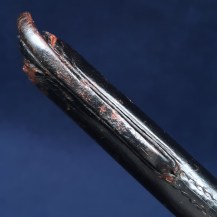
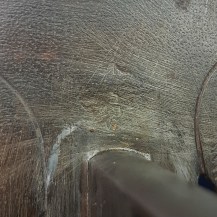
The plain blade has a few small patches of light patination, more toward the tip, and some old polishing marks. Two small nicks to its edge, which is unsharpened. The tip of the blade is slightly bent and rolled leaving it ~1mm short. The wire binding of the grip is all present and tight, the shagreen of the grip has only light handling wear. The sword Is solidly peened with no movement to any parts, the blade rings when struck. The leather of the scabbard has some surface denting and scuffing, an area of damage near the throat piece exposing the wood core, and the shoe of the chape has been bent to one side with some cracking and a spot of core exposed.
